Marking the tenth edition of the awards, this milestone year also introduced a single open category for the first time – a change that has enabled an especially broad and compelling range of Australian photographic work to come forward. The collection reflects the strength and variety of practice across the country, and we acknowledge all shortlisted photographers for their achievement. We also extend our thanks to every participant who contributed work to this year’s awards.
Please find the 2026 APA galleries, presented in alphabetical order.
Open Winners
Rosanna Lang
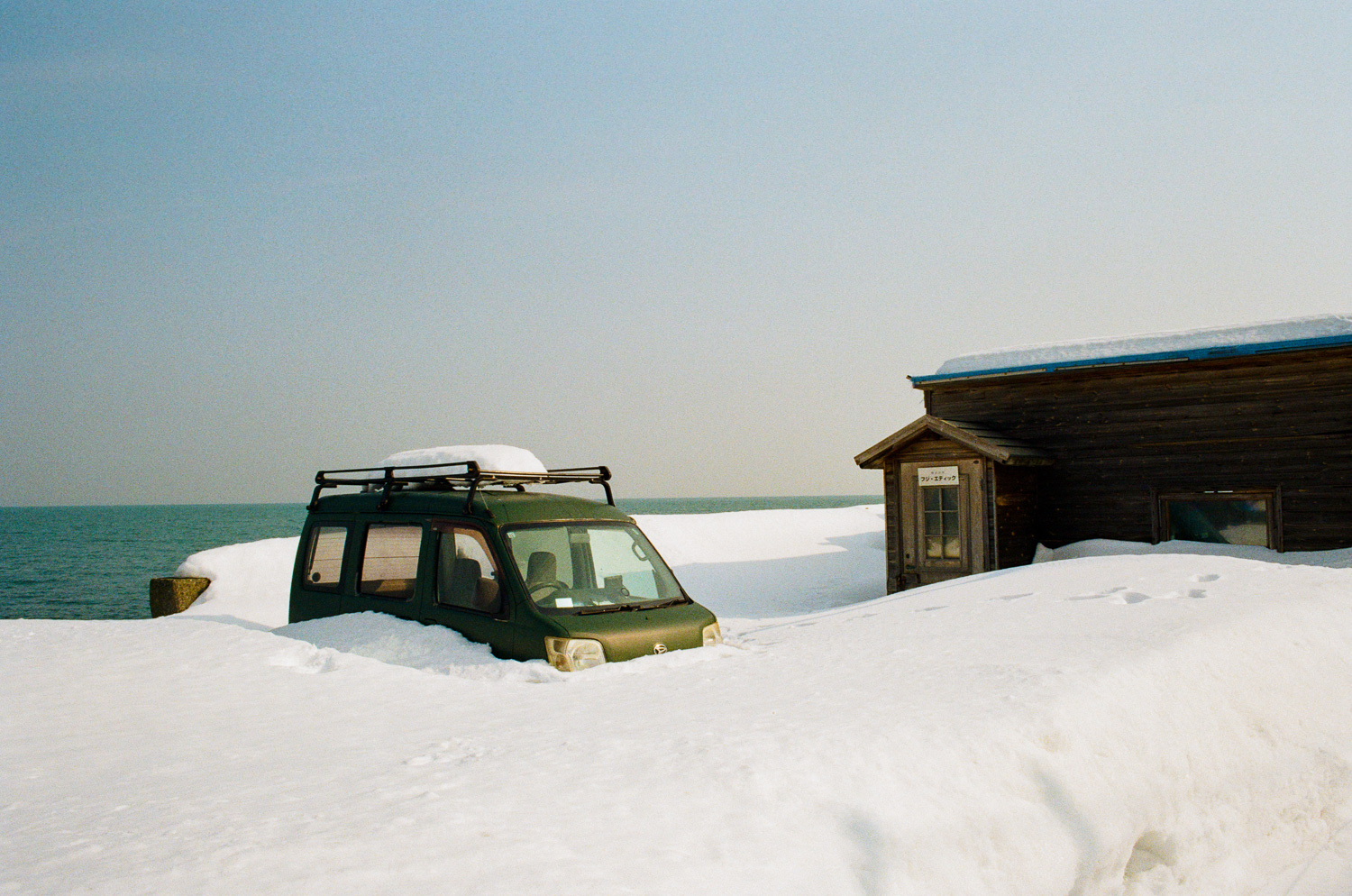
Poppy Steer
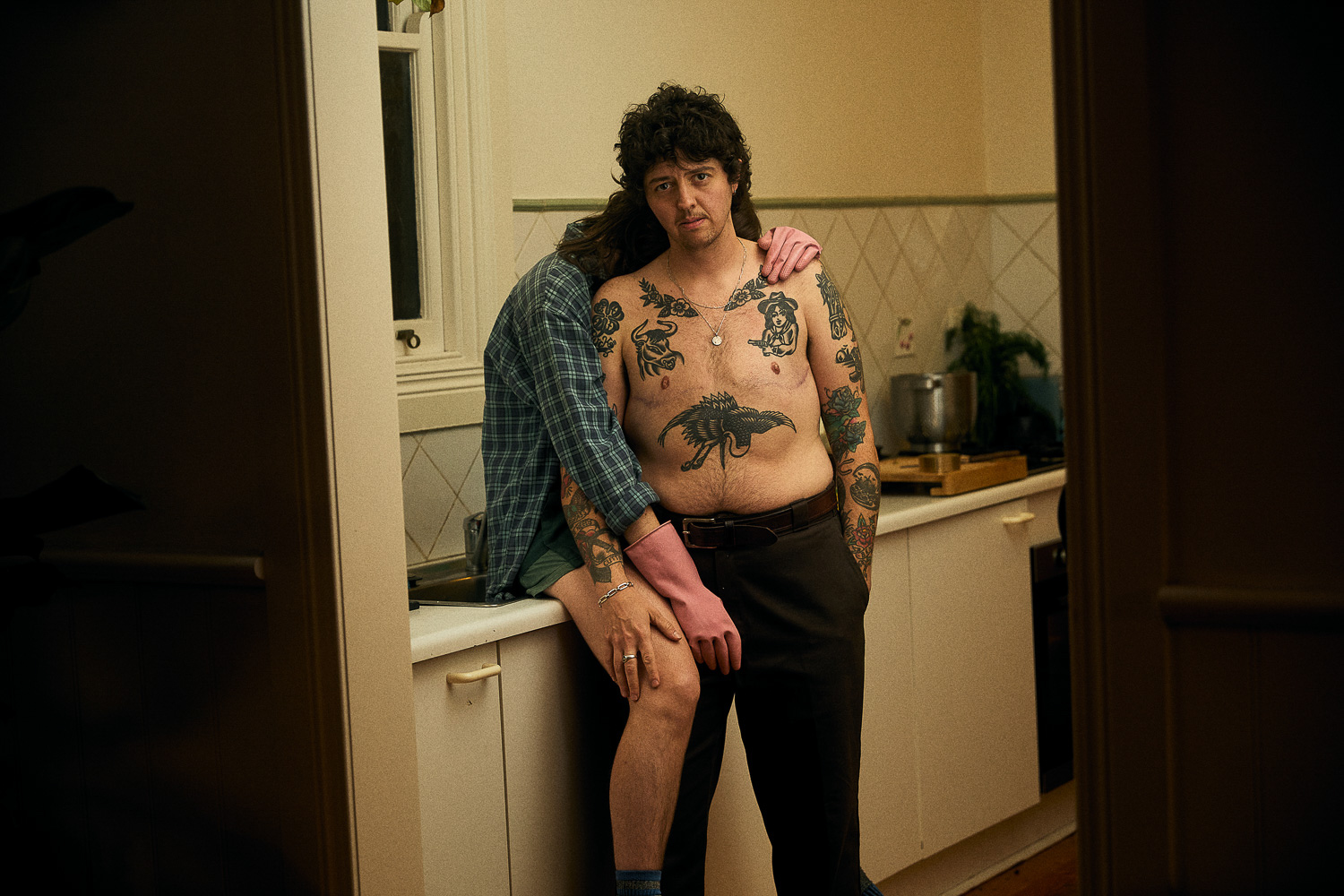
Tobias Titz
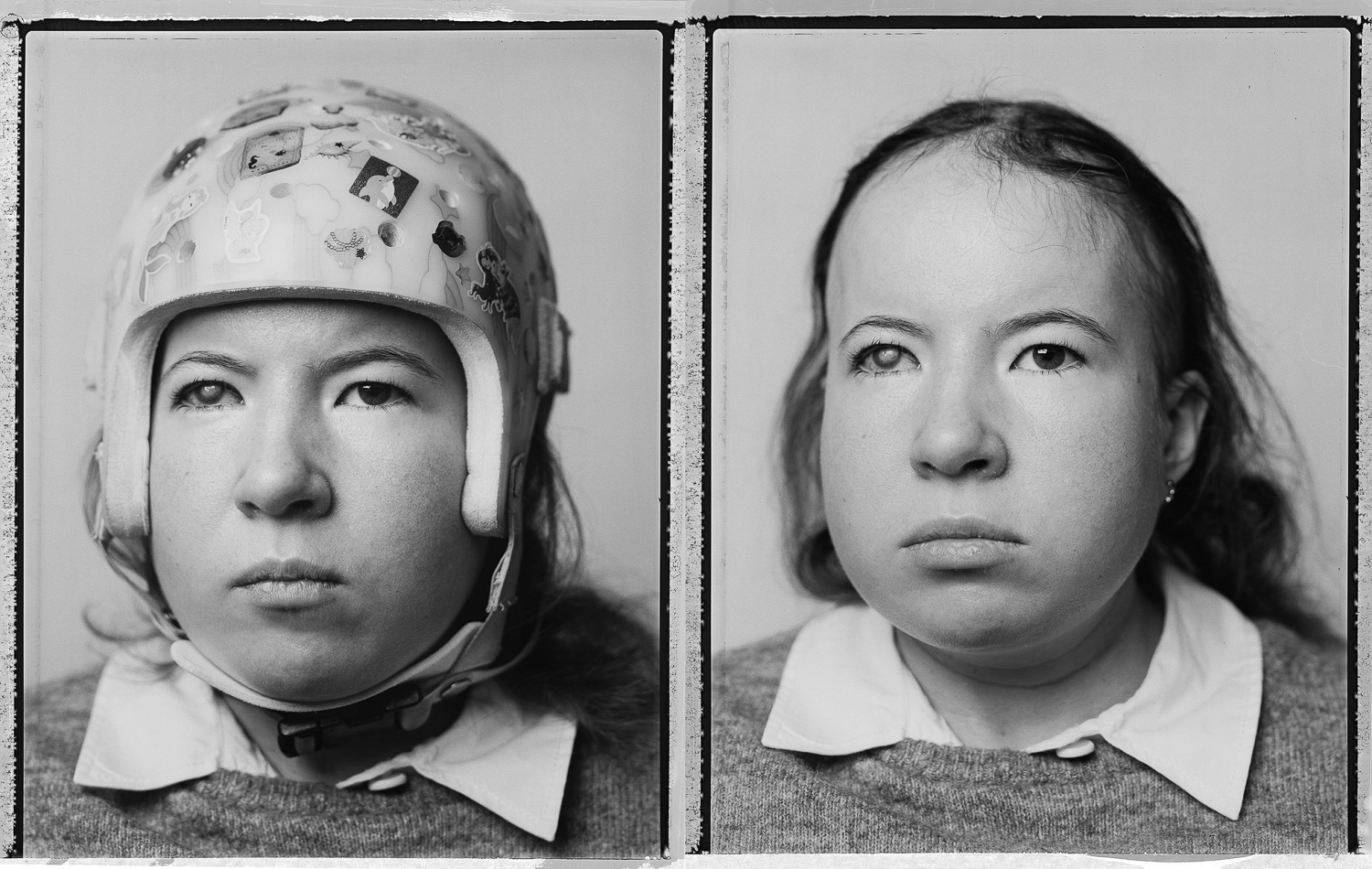
Open Honourable Mentions
Emma Crook
Carly Earl
Emma Parker
Open Shortlist
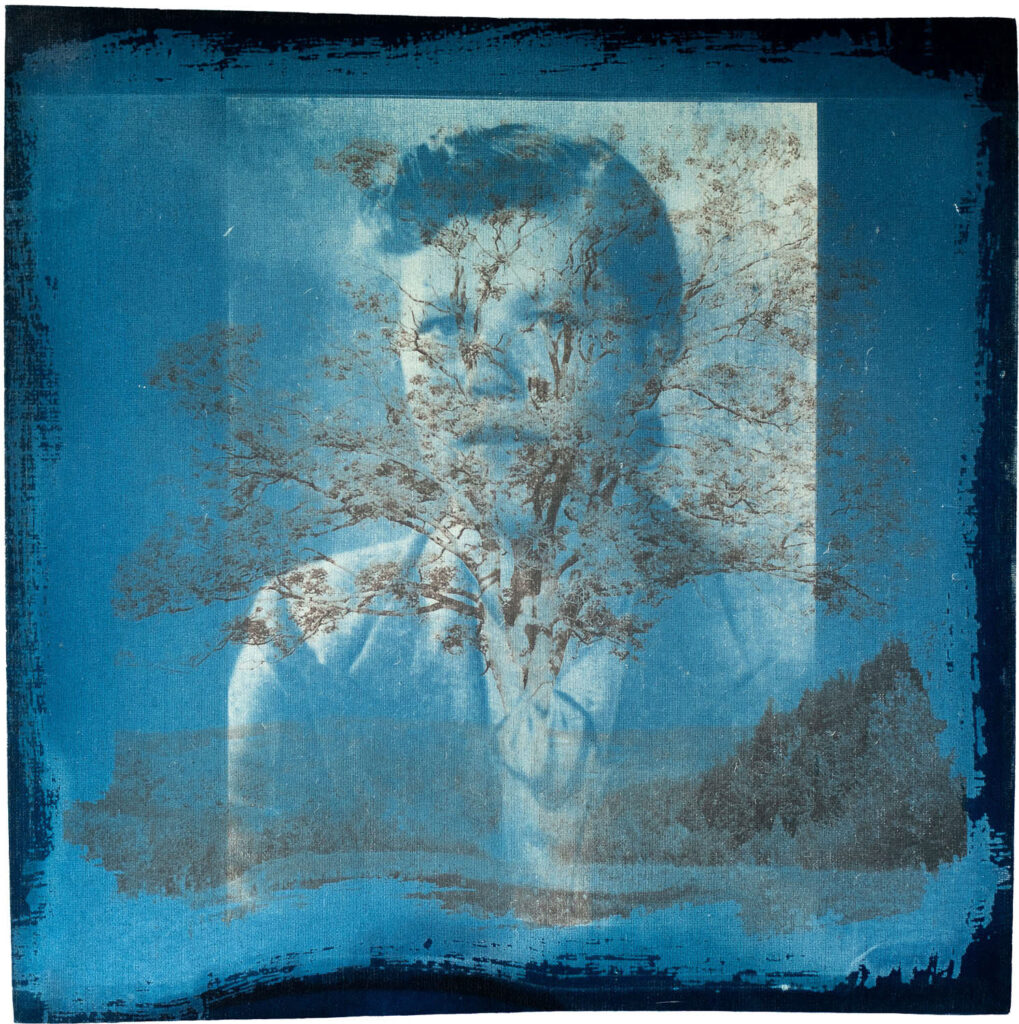
Aldona Kmieć
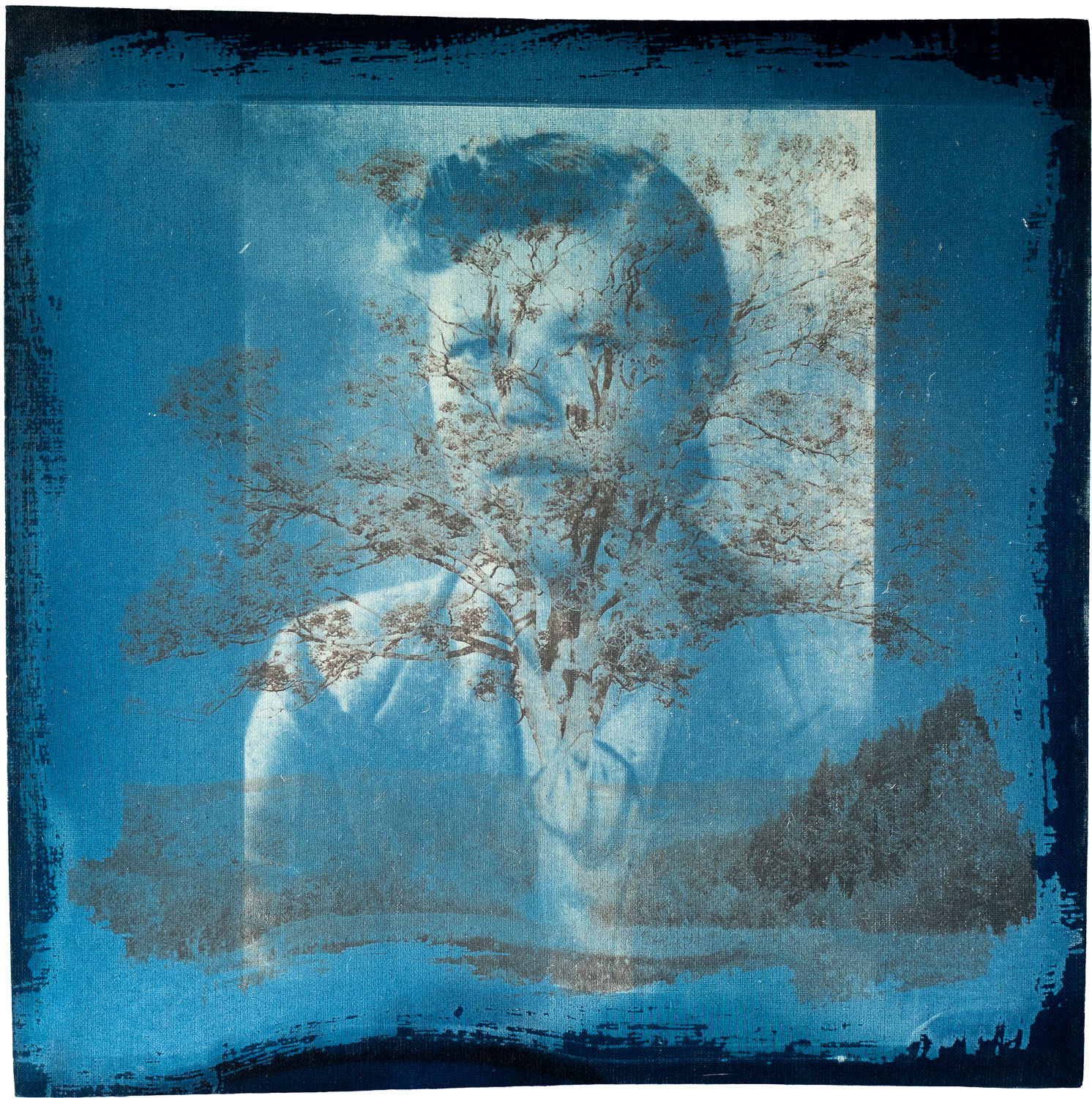
Family Tree Family Tree is a cyanotype created by hand-printing an archival portrait of my grandmother onto a found vintage canvas depicting a tree landscape. The layered image connects memory, ancestry and place, bringing together family history and inherited narratives embedded within both photographs and objects. The work reflects on how family histories endure across generations, carried through photographs, stories and connections to place. Drawing together imagery from different times and origins, it considers the ways migration reshapes memory while maintaining ties across distance and time. The cyanotype process evokes both photographic history and the shifting nature of remembrance.
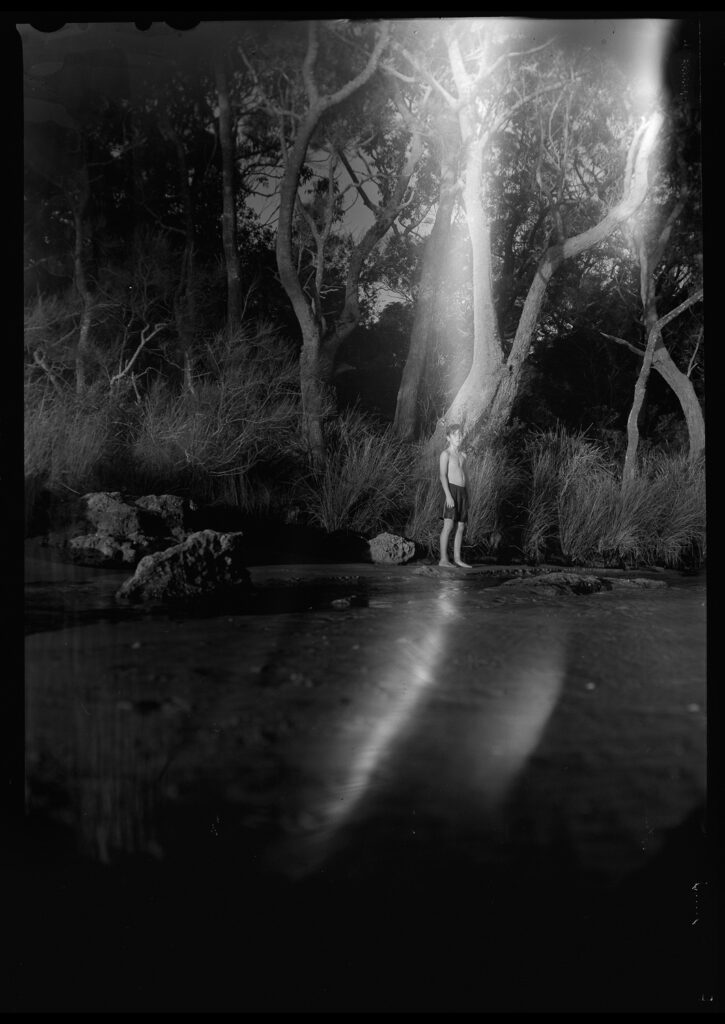
Aletheia Casey
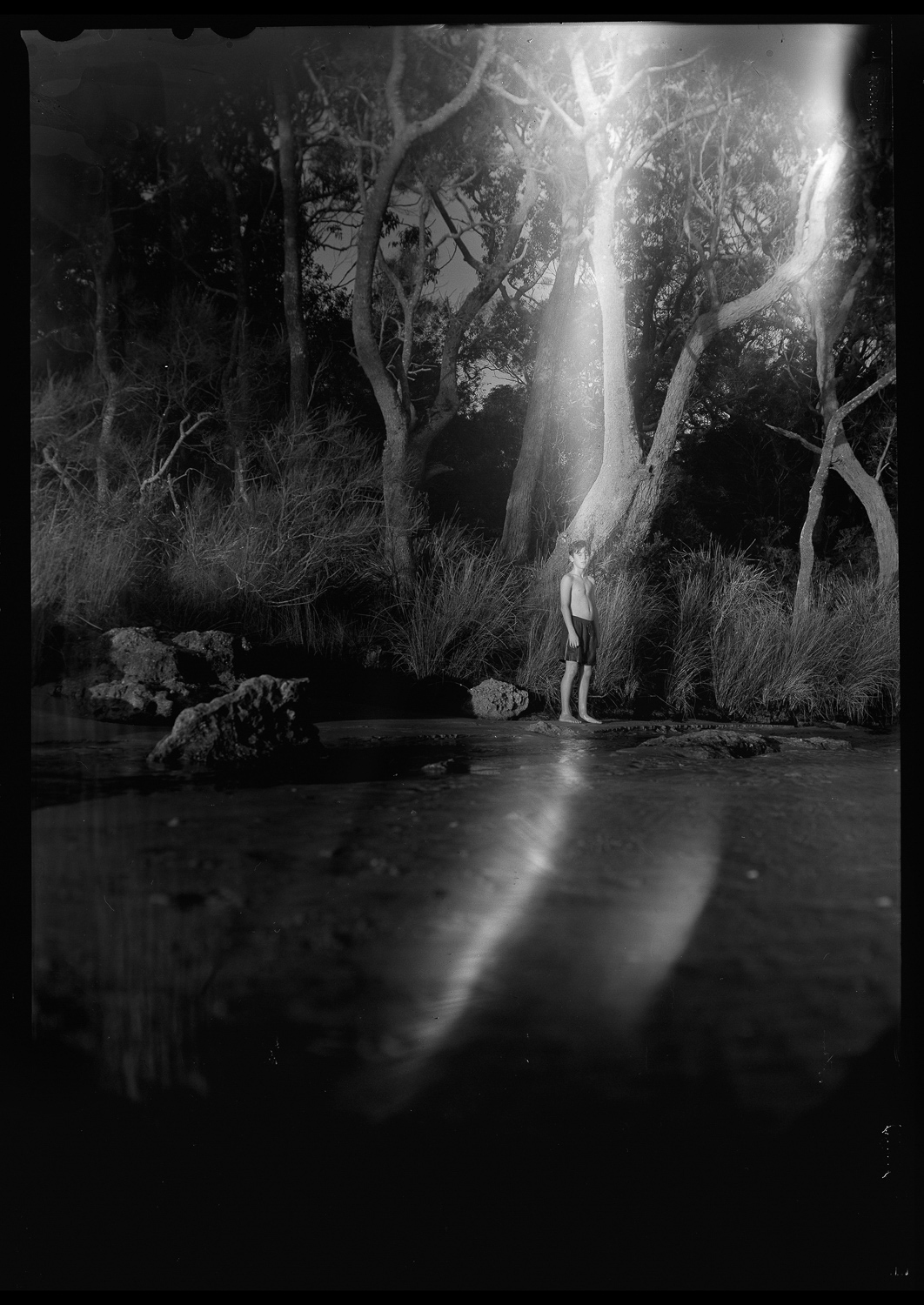
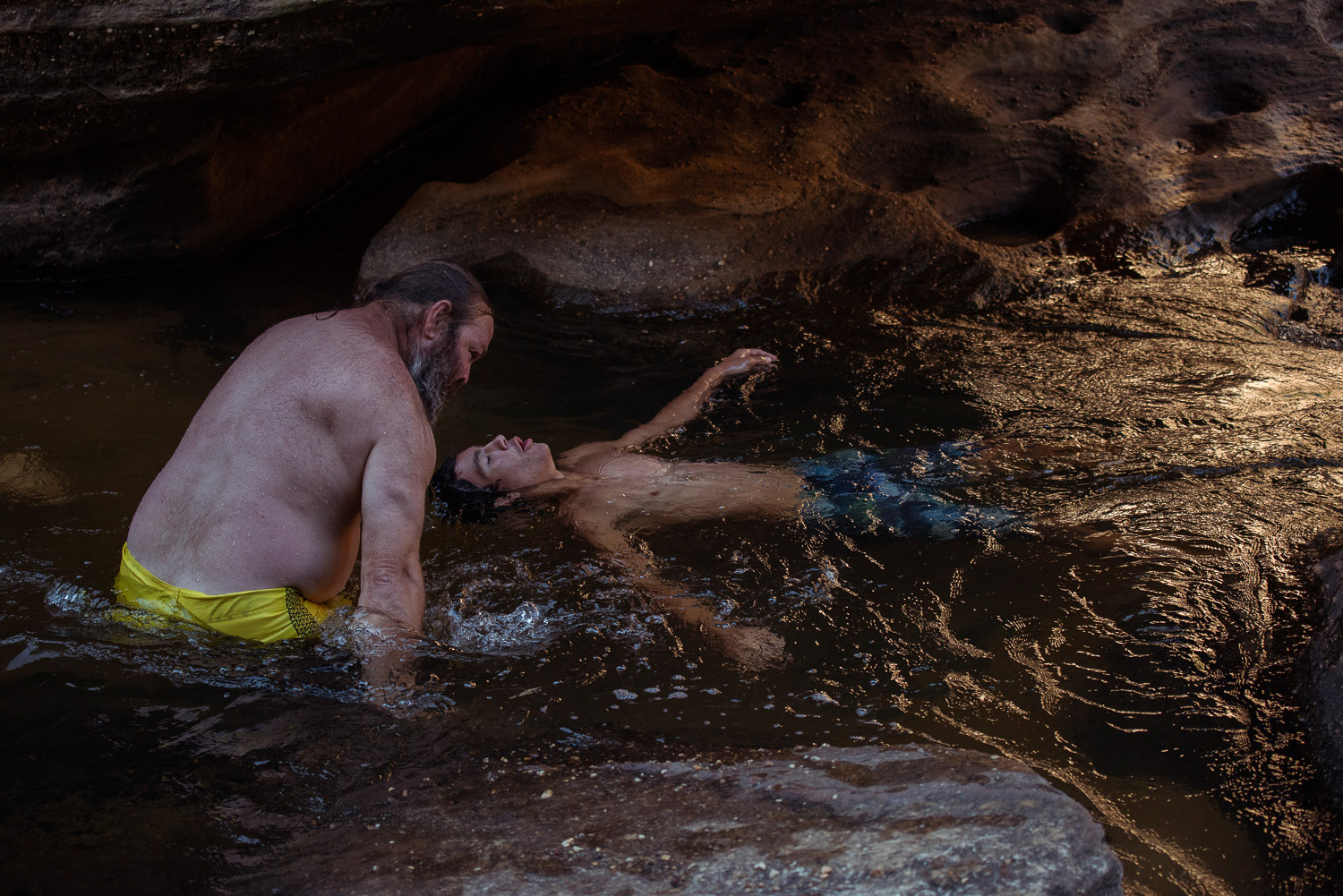
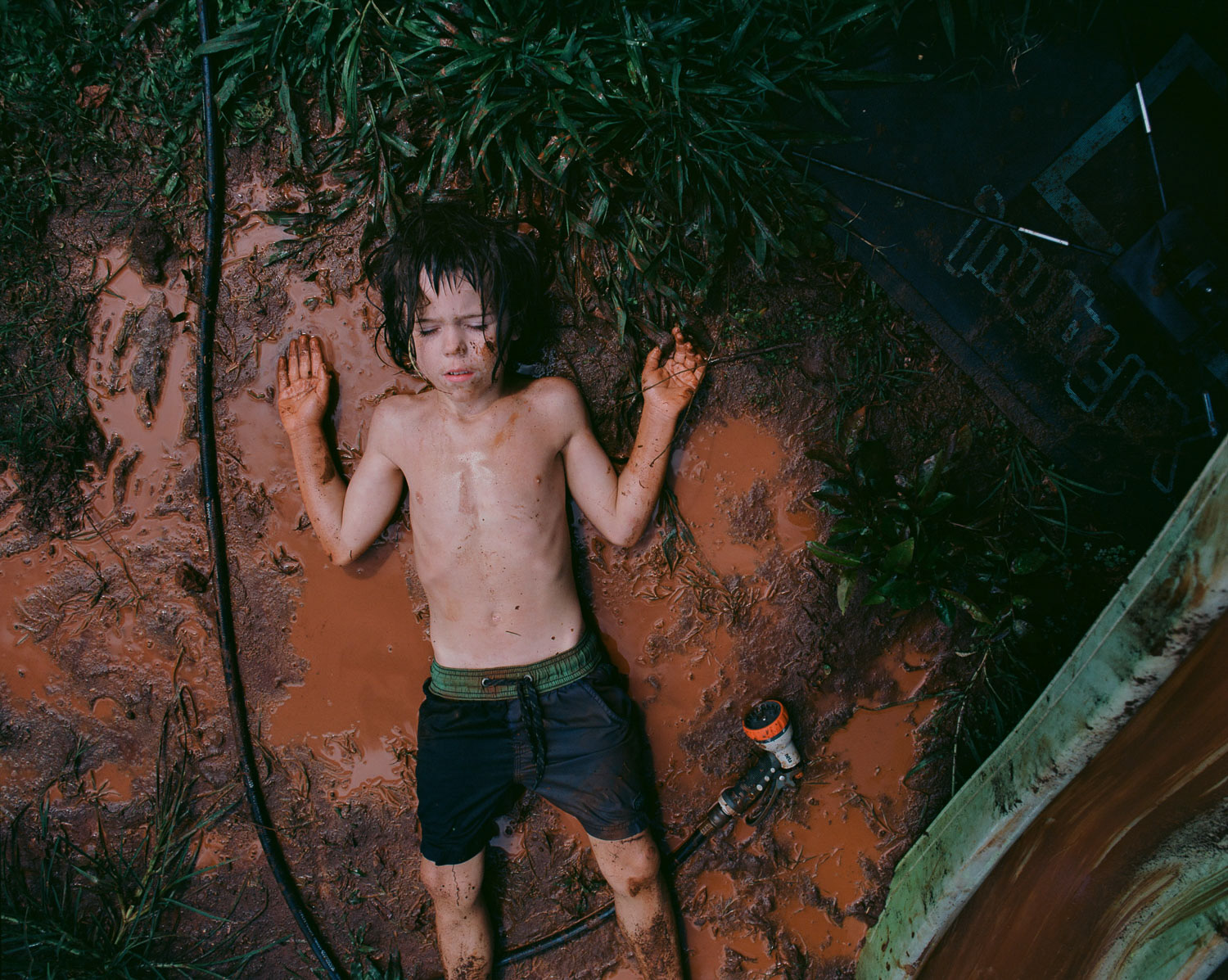
Adelchi “Every story is a story of water,” writes the poet Natalie Diaz. Water is a life-force, a medium through which relationships—to places, ancestral memory, and one another—are formed and sustained. Near my mother’s home, a creek runs through the bushland. In the years following my mother's death my son, nieces, and nephew were drawn to the creek—a place of shifting currents and hidden corners. They returned again and again to the same bend, leaping into the water. They seemed to understand the creek, and the creek understood them—almost even remembered them. I had spent years searching for traces of my mother in the landscape, but it was the children who found them first. In the imagined places of childhood, trees turned pink, watery shallows became magical kingdoms, and mud and silt transformed into emerald worlds alive with possibility. The children seemed to recognise what I could not: that she had not vanished but become scattered throughout the landscape. This image of my son Adelchi is taken in my mother’s favourite swimming place, a place which seems to still holds traces of her, embedded within the land.
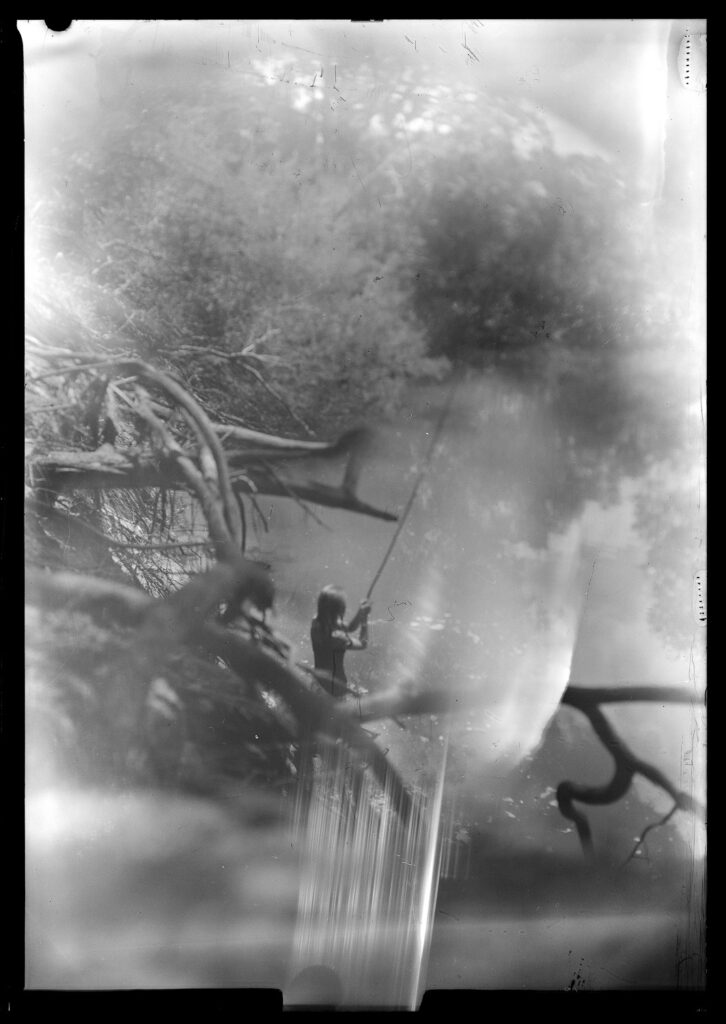
Aletheia Casey
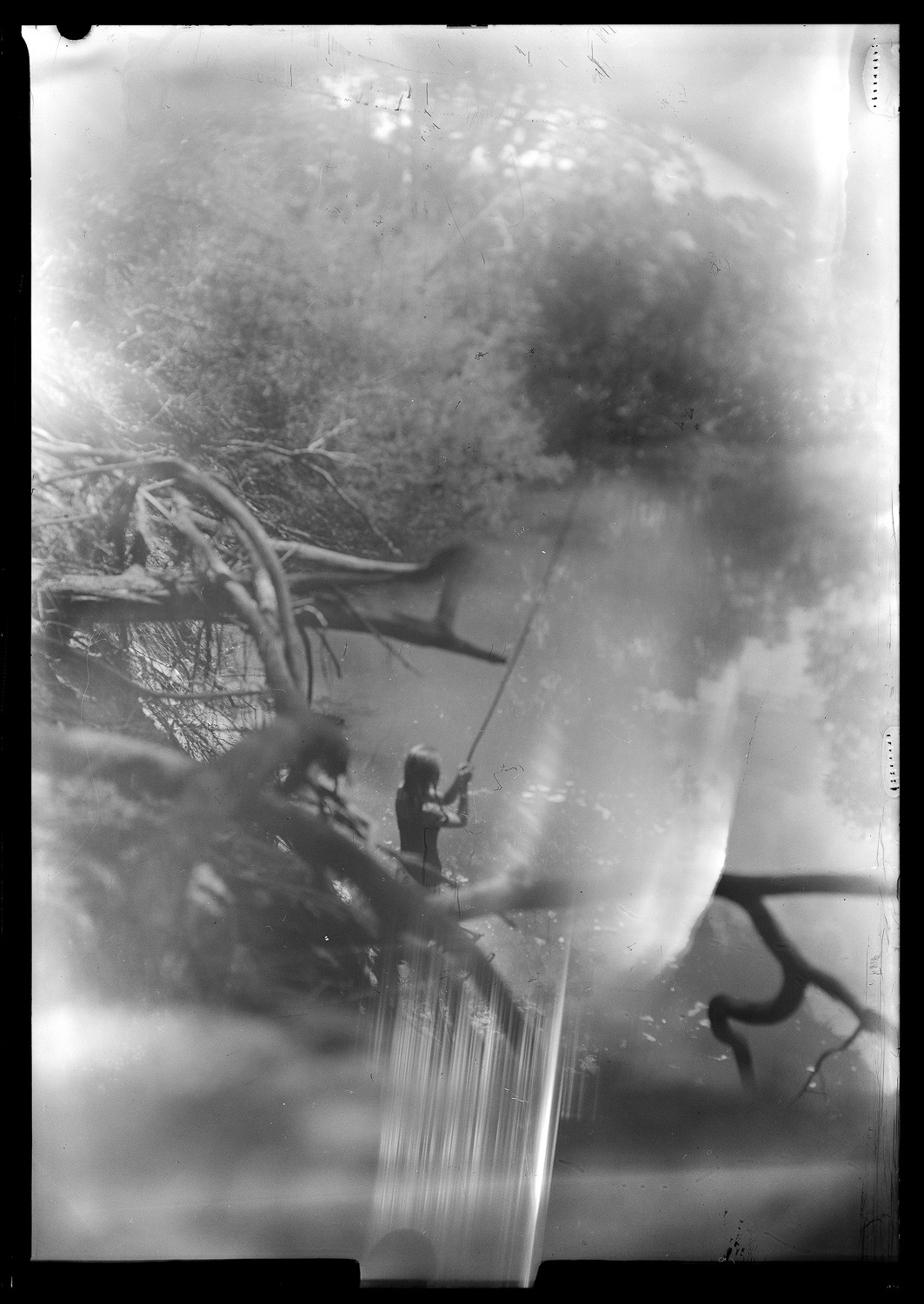
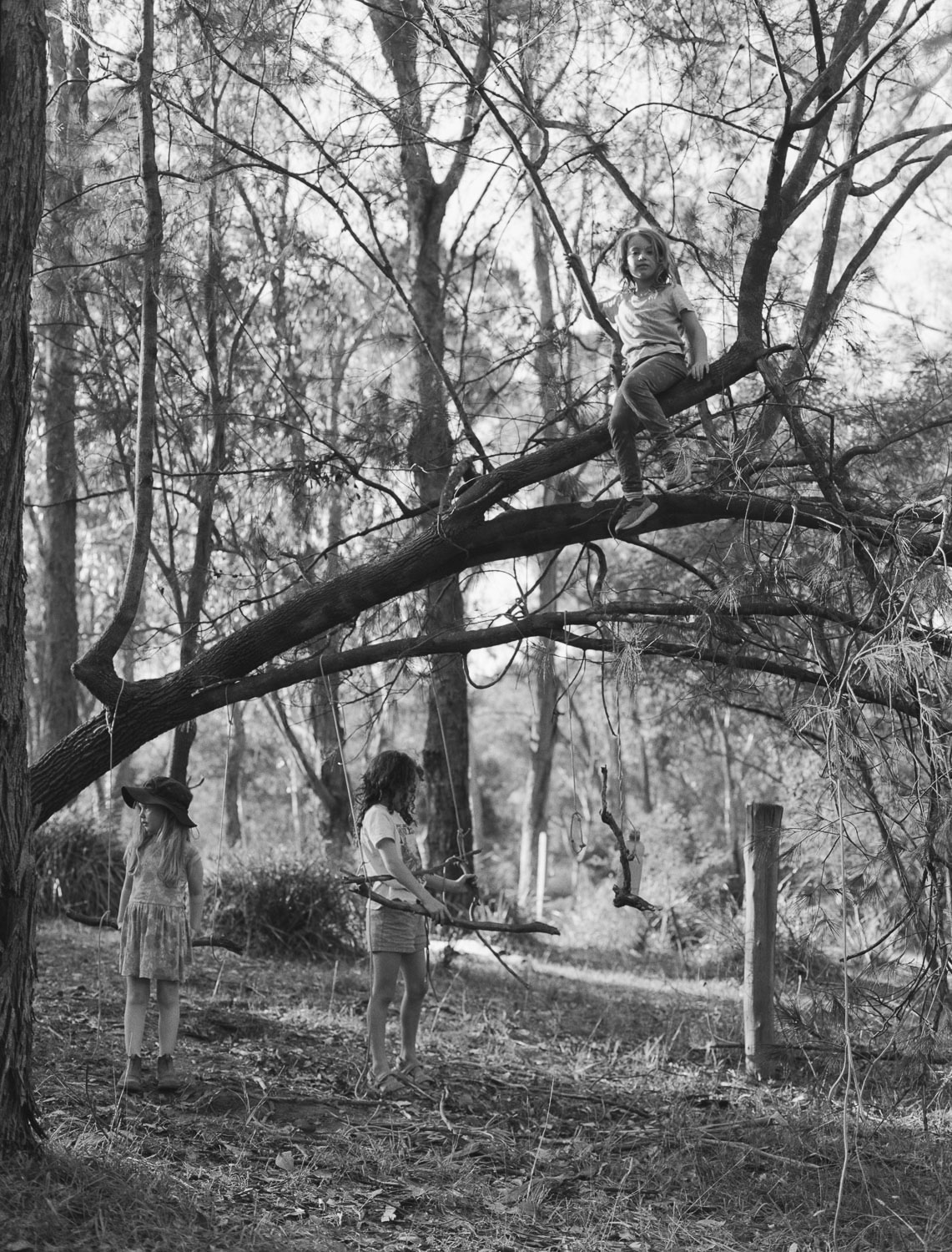
Ella, Callala creek Three years ago, my mother died. I feel her loss profoundly—not only within me, but in the landscape around her home in Australia. She was so alive, so full of energy and so in love with life. I found myself searching for traces of her everywhere because how could someone so vividly present simply cease to exist? It seemed impossible. A line from Walt Whitman is lodged in my memory: “For every atom belonging to me as good belongs to you.” Whitman seemed to interpret the body not as separate from the world, but continuous within it—formed from soil, air, water, and inherited memory. Near my mother’s home, a creek runs through the bushland. My son, nieces, and nephew were drawn to it—a place of shifting currents and hidden corners. They returned again and again to the same bend, leaping into the water. Although I had spent years searching for traces of my mother in the landscape, it was the kids who found them first. In the imagined places of childhood, trees turned pink, watery shallows became magical kingdoms, and mud and silt transformed into emerald worlds alive with possibility. The children seemed to recognise what I could not: that she had not vanished but become scattered through the landscape. This image of my niece Ella seems to capture a moment when my mother’s energy is still present, and I can feel her presence surrounding me.
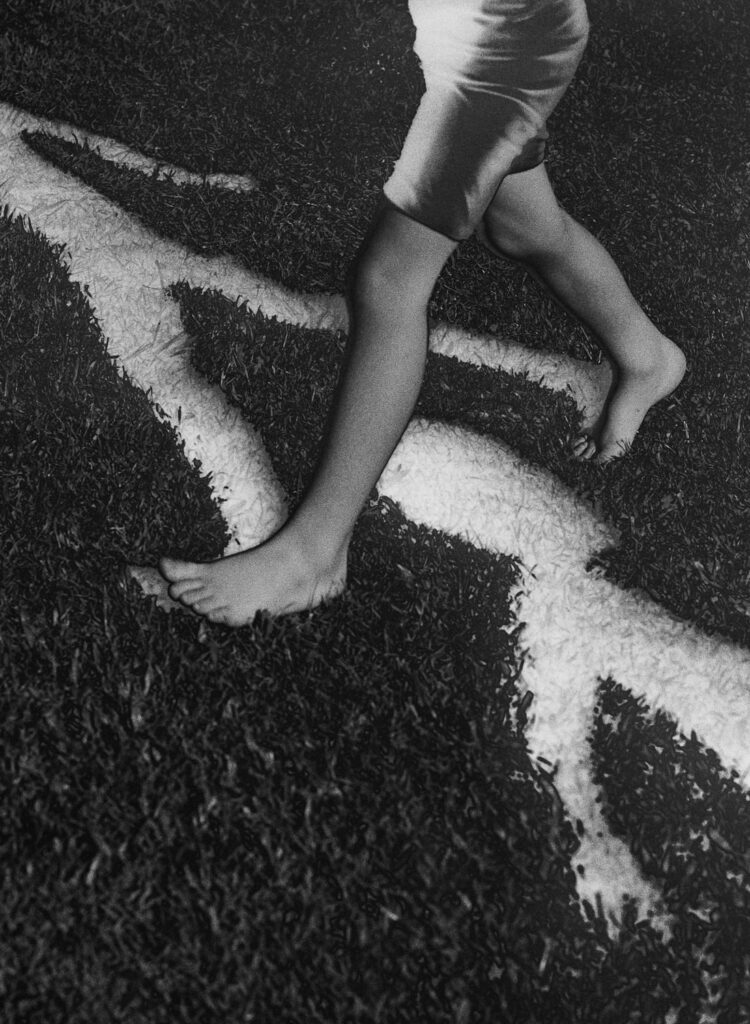
Alexandra Davies
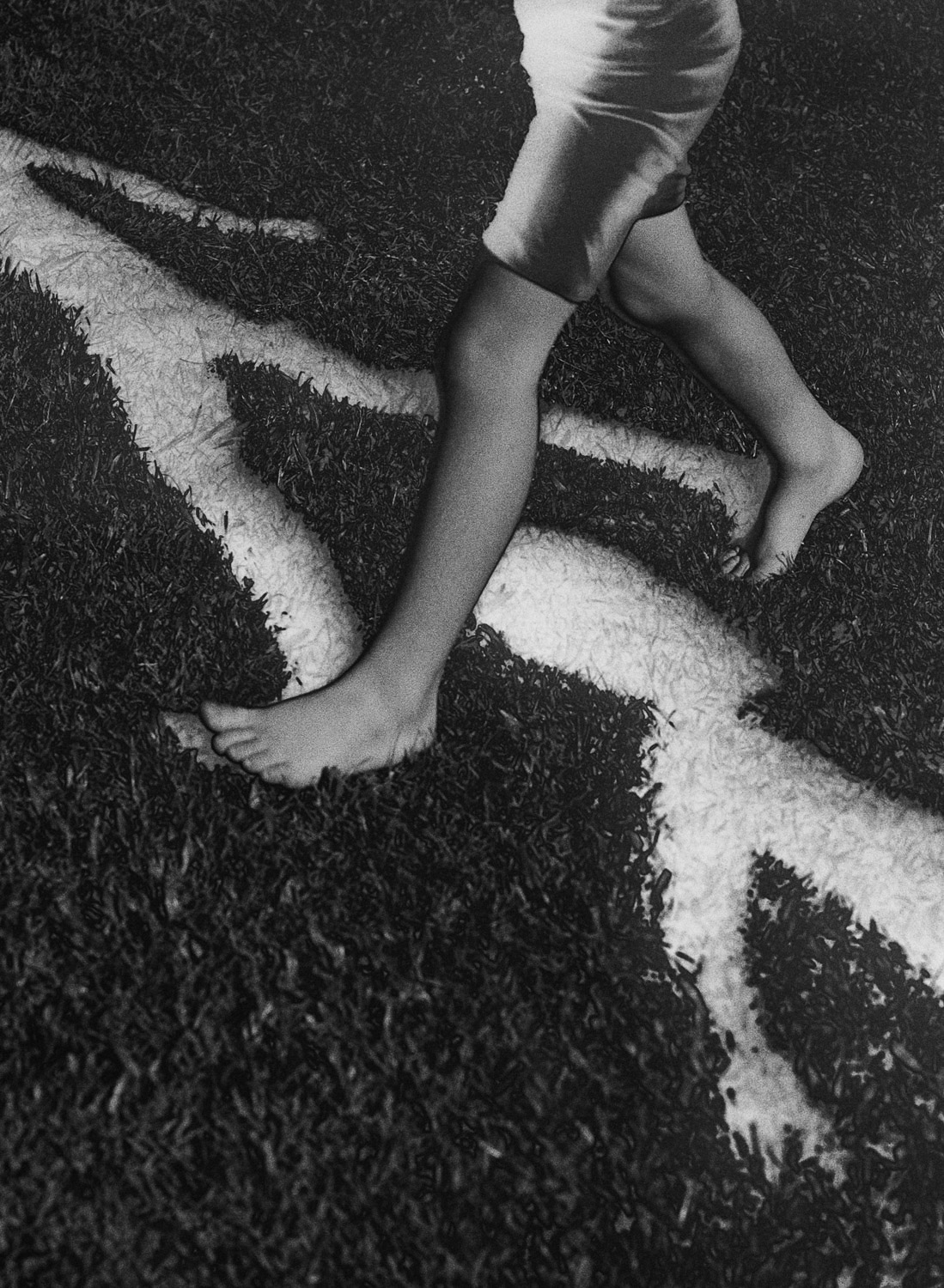
Untitled. From series "Still Developing: Solarised portraits of my sons". This work begins with an act of control: photographing my sons. It ends with its collapse. Each image is shot on medium-format film and deliberately solarised during home development in a Paterson Tank - exposed again to light while still unfinished. The process disrupts the photograph’s certainty. Highlights invert, shadows fracture, the subject slips between visibility and erasure. Solarisation is an accident engineered into the process. A surrender disguised as technique. For a mother, the illusion of authorship over a child follows the same pattern. We believe we are shaping them, documenting them, preserving them. But like a solarised negative, development continues beyond our intervention. The child forms in directions we cannot predict. These images sit in that unstable moment: not fully resolved, not entirely knowable. Portraits of my children becoming autonomous people I can never fully control, understand, or keep.
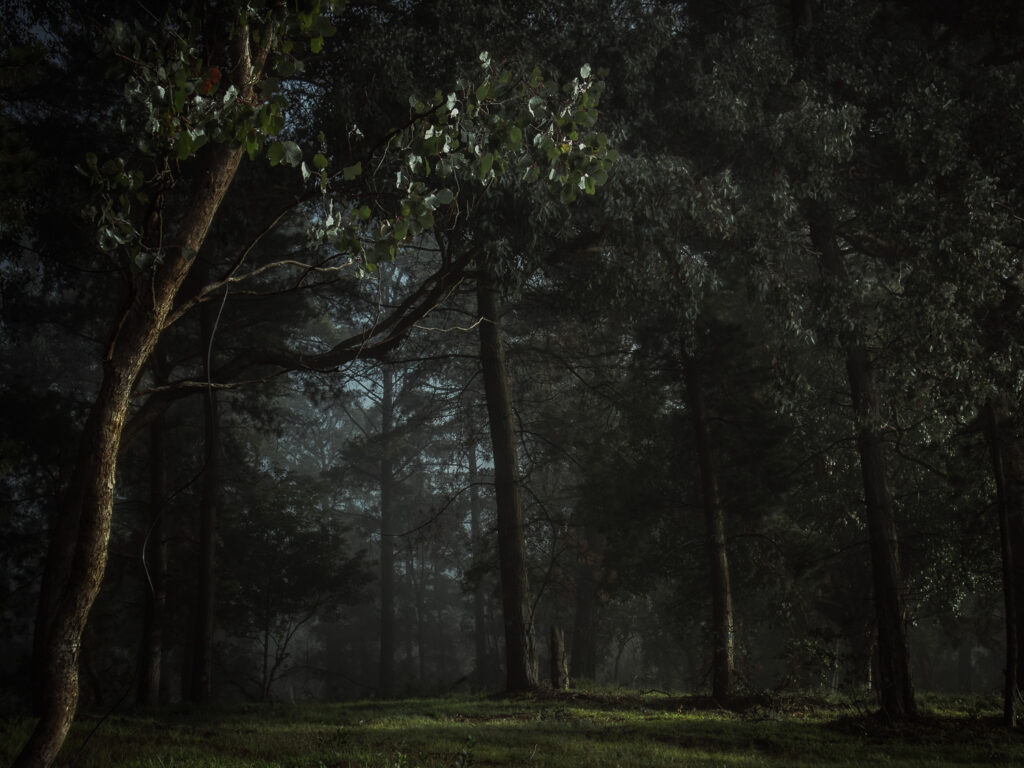
Angelina Borg
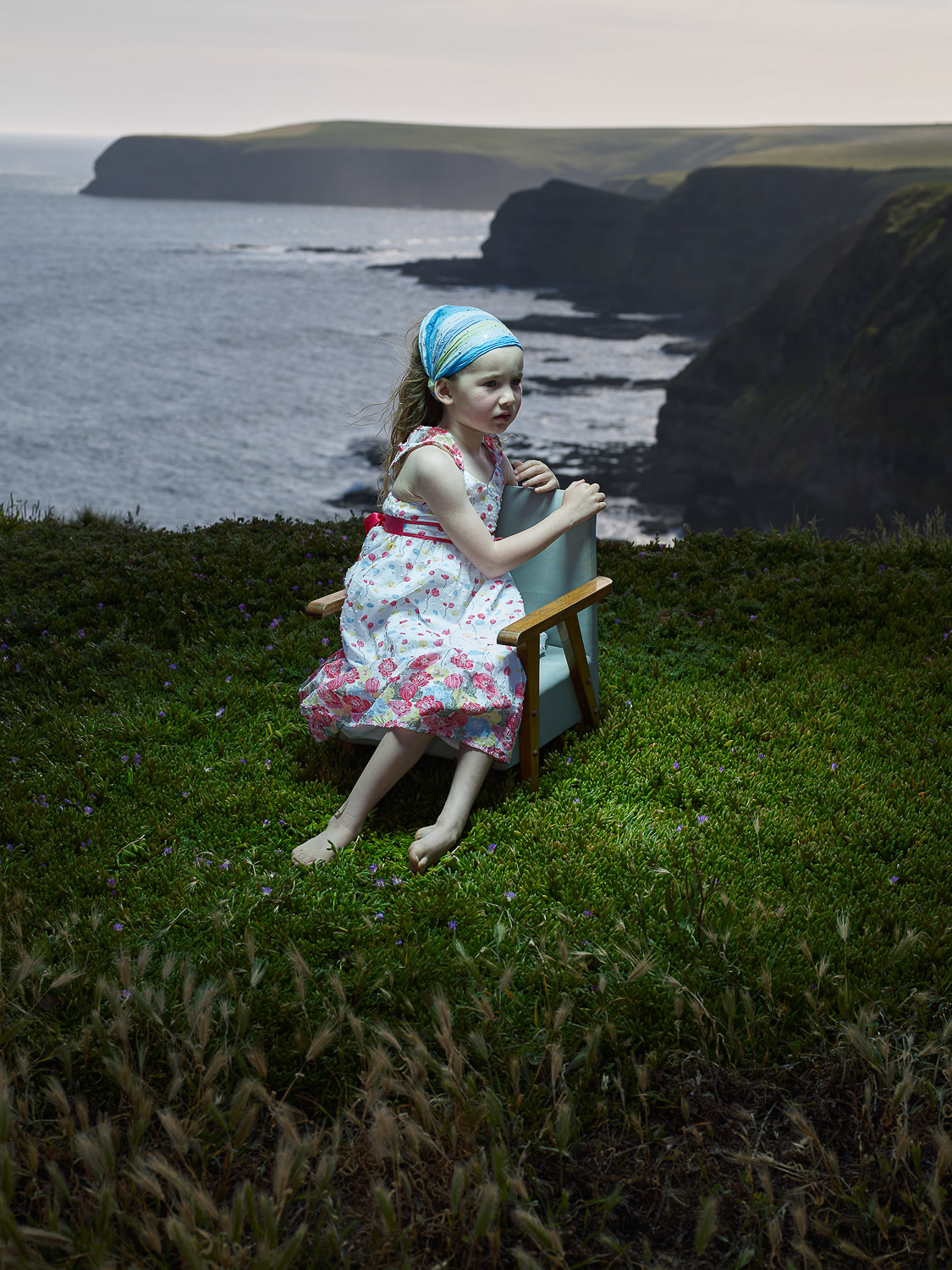
Sanctuary Everything about this image reminds me of childhood. I see the same landscape I saw at a young age, just up from the home I grew up in, and I see myself at every age. I have a very personal connection to this landscape and its surrounds, a place I call home and which reminds me how far I have come and how far I can go. The image is coloured in a way that is almost real, but slightly warped, such as what you may see in a dream or in a memory. Clouded and foggy, a not so accurate recollection.
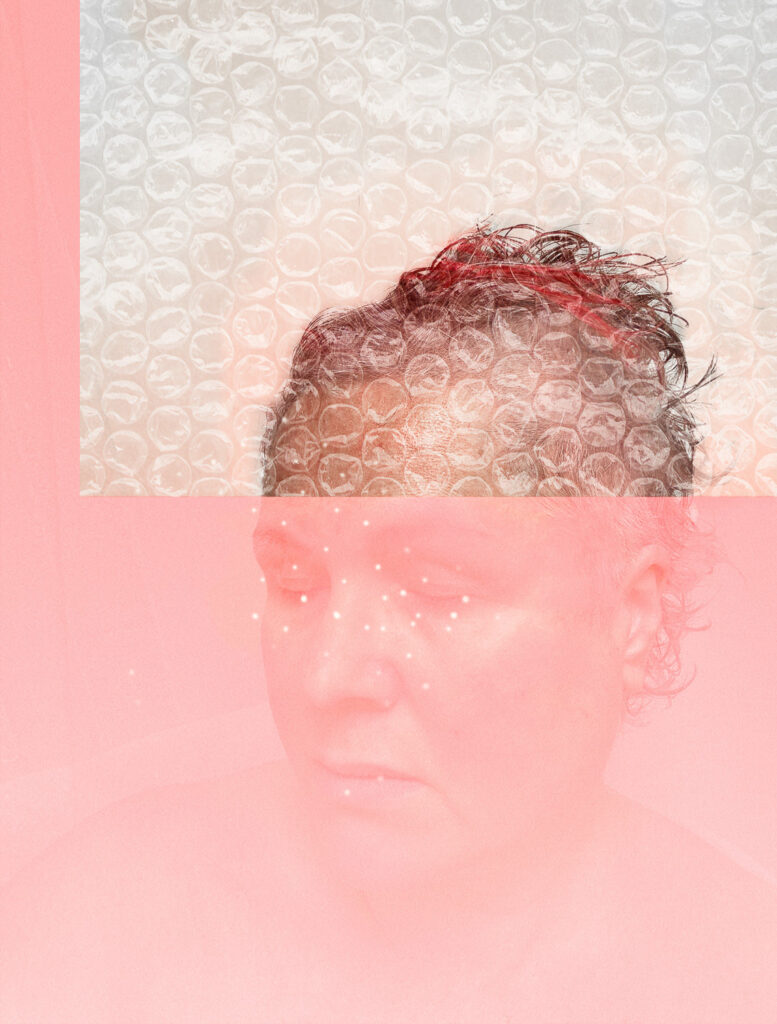
Arrayah Loynd
Holding Pattern #1 There is only a thin membrane between what the world sees and the lived reality of my life. I may seem fine as I mask the pain, but if you excavate – even just a little – you will find it is all completely raw. I am lost in the ebb and flow of pain, of heartbreak and despair. I am angry. I am difficult, I am defeated. This image forms part of my series ‘All Roads Lead to Salvation’. It is a personal story; a visual telling of the mental and physical impacts of living with chronic pelvic pain while dealing with medical misogyny, misinformation, and incompetence.

Bec Lorrimer
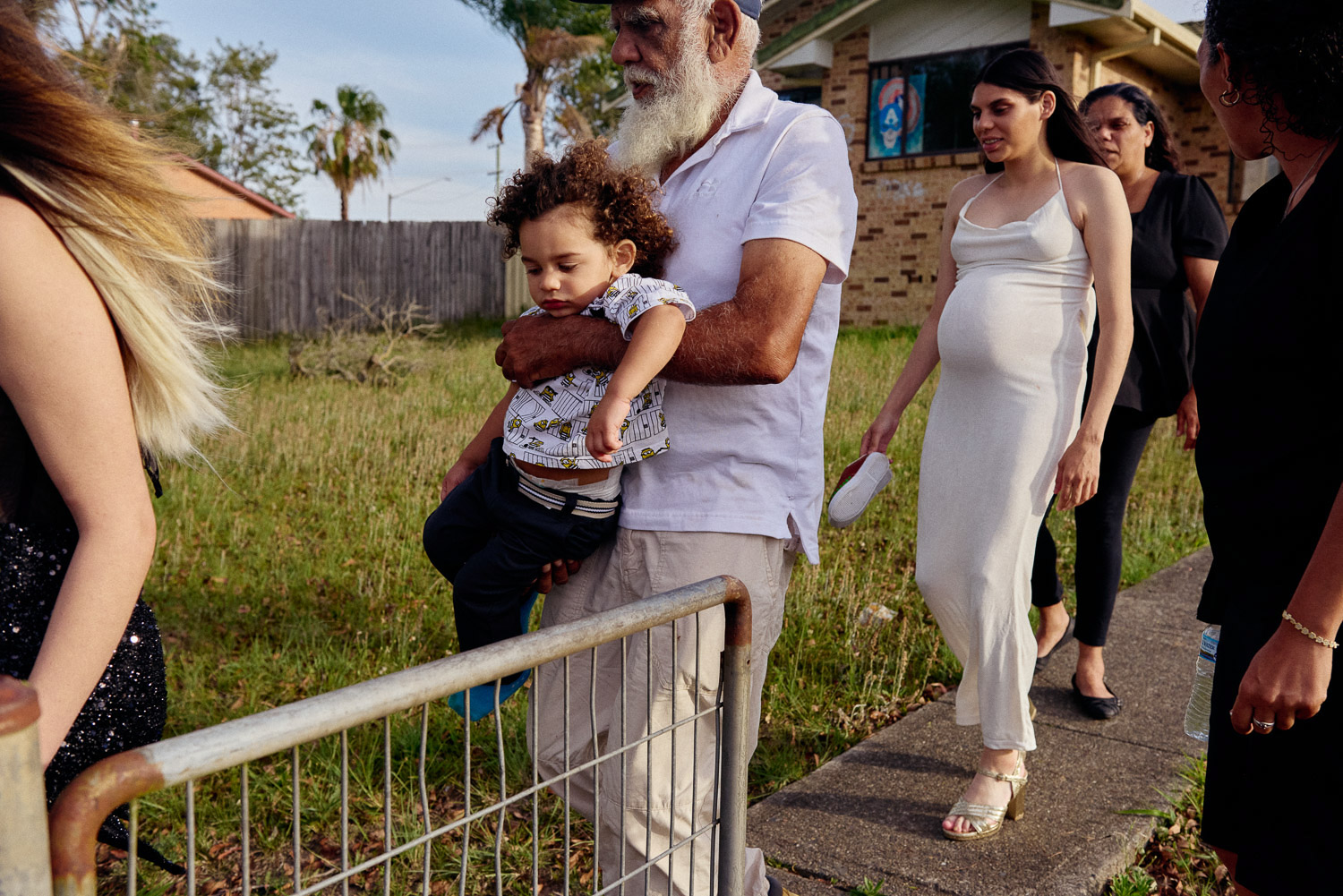
Courage Through Sisterhood Series: Graduation Day at the 'Last Chance' School Trevanna, 22, and sister Deslie, 20, navigated parental loss, housing insecurity and pregnancy – twice – while completing their HSC. A unique schooling model provides services like on-site childcare enabling young mothers to keep studying whilst juggling parenthood. The Dunghutti women grew up in Kempsey on the mid-north New South Wales coast. It is a proud and culturally rich community, but one that grapples with unemployment and social dysfunction born from poverty and disadvantage. Here the sisters leave home to attend their formal graduation event, where they will celebrate with their sons and family.

Benjamin Liew
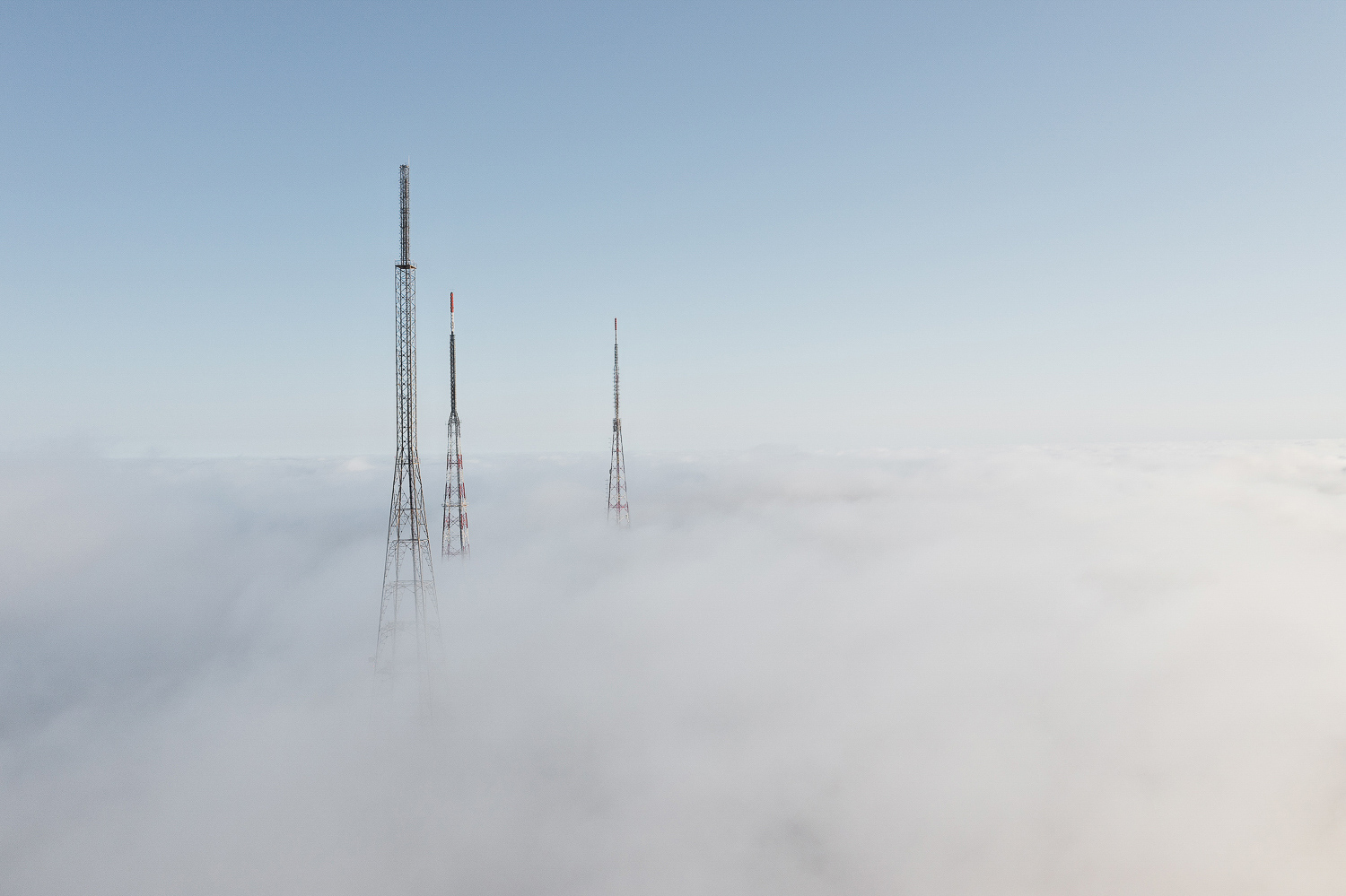
Aerials Every day, these towers transmit around 1,368 hours of TV and radio across 57 channels and stations. That's 57 hours of content every single hour. Every week, 9,576 broadcast hours. Every year, more than half a million. This photograph is quiet. Peaceful. But imagine standing here and hearing all 57 channels at once.


Bernard Singleton
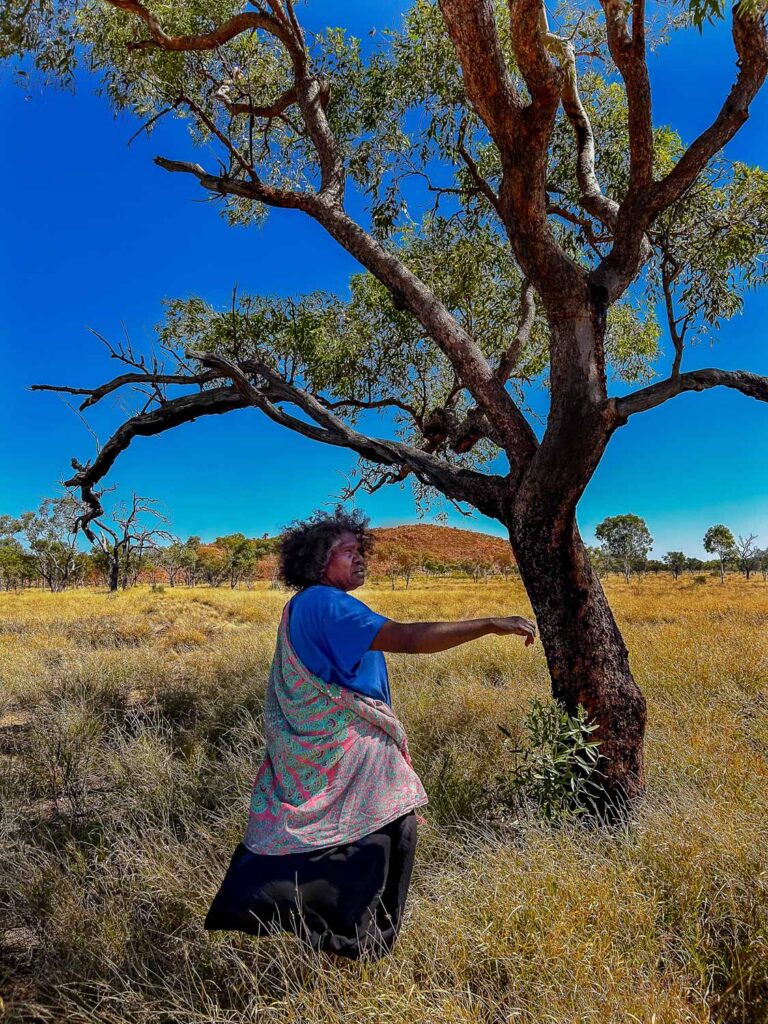
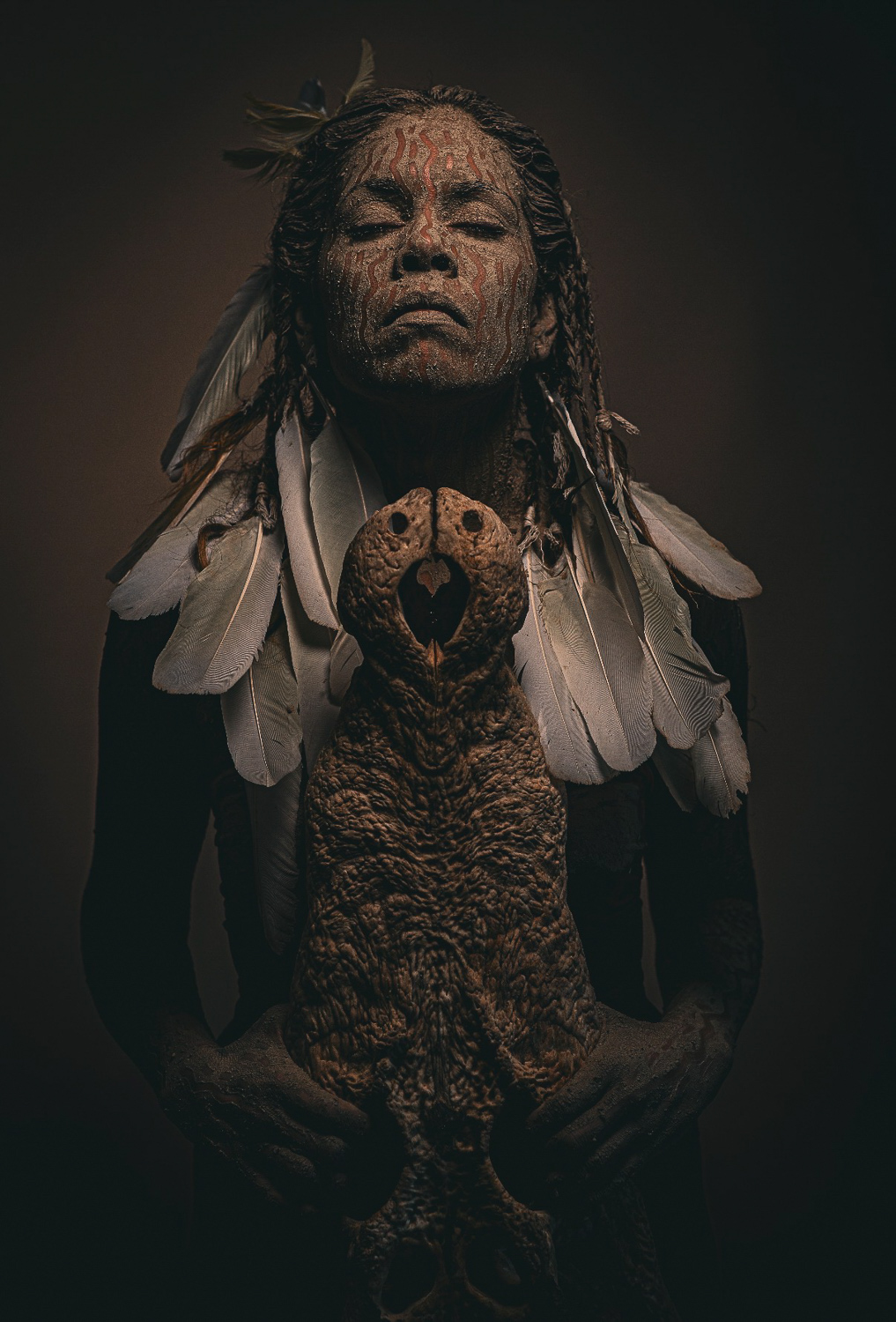
Nguma “Foresight” Story ~ Being on country, you experience the profound cultural connections embodied by two totemic beings: the crocodile and the cockatoo. One with its stealthy grace, epitomizes resilience and patience, quietly observing the rhythms of life in its environment, embodying the strength of survival. In contrast, the cockatoo, with its keen eyesight and alerting demeanor, serves as a vigilant guardian of the bush, alerting its kin to potential visitors on the move. Together, these animals symbolise the intricate balance of observation and awareness in nature, reflecting the deep interdependence of species and the wisdom embedded in their behaviors. Through their contrasting yet complementary roles, we aim to highlight the rich tapestry of life that thrives in harmony within the northern landscapes, inviting viewers to appreciate the delicate interplay of vigilance and resilience in our shared environment.

Bri Hammond
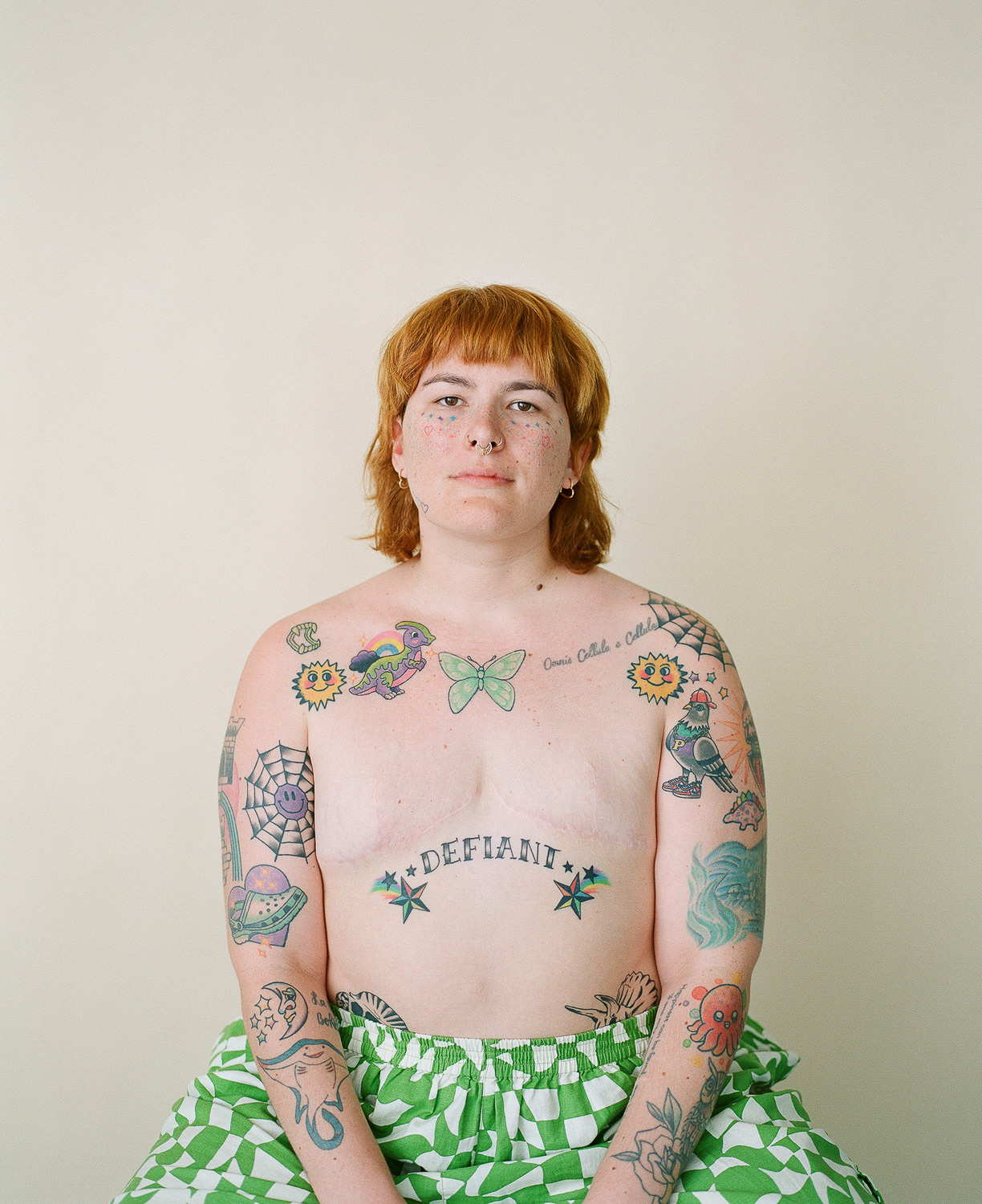
Defiant Sonny Jane Wise is a trans, disabled and neurodivergent advocate and writer, and defier of systems. ‘Since I was young, I was in and out of the mental health system where I was labelled as defiant, naughty and stubborn. My ‘defiant’ tattoo is a commitment to resist systems that pathologise our minds, bodies and queerness. My rainbow freckle tattoos are about wearing my personality and queerness on my face. When people look at me, they’re going to see who I am.’

Cameron Cope
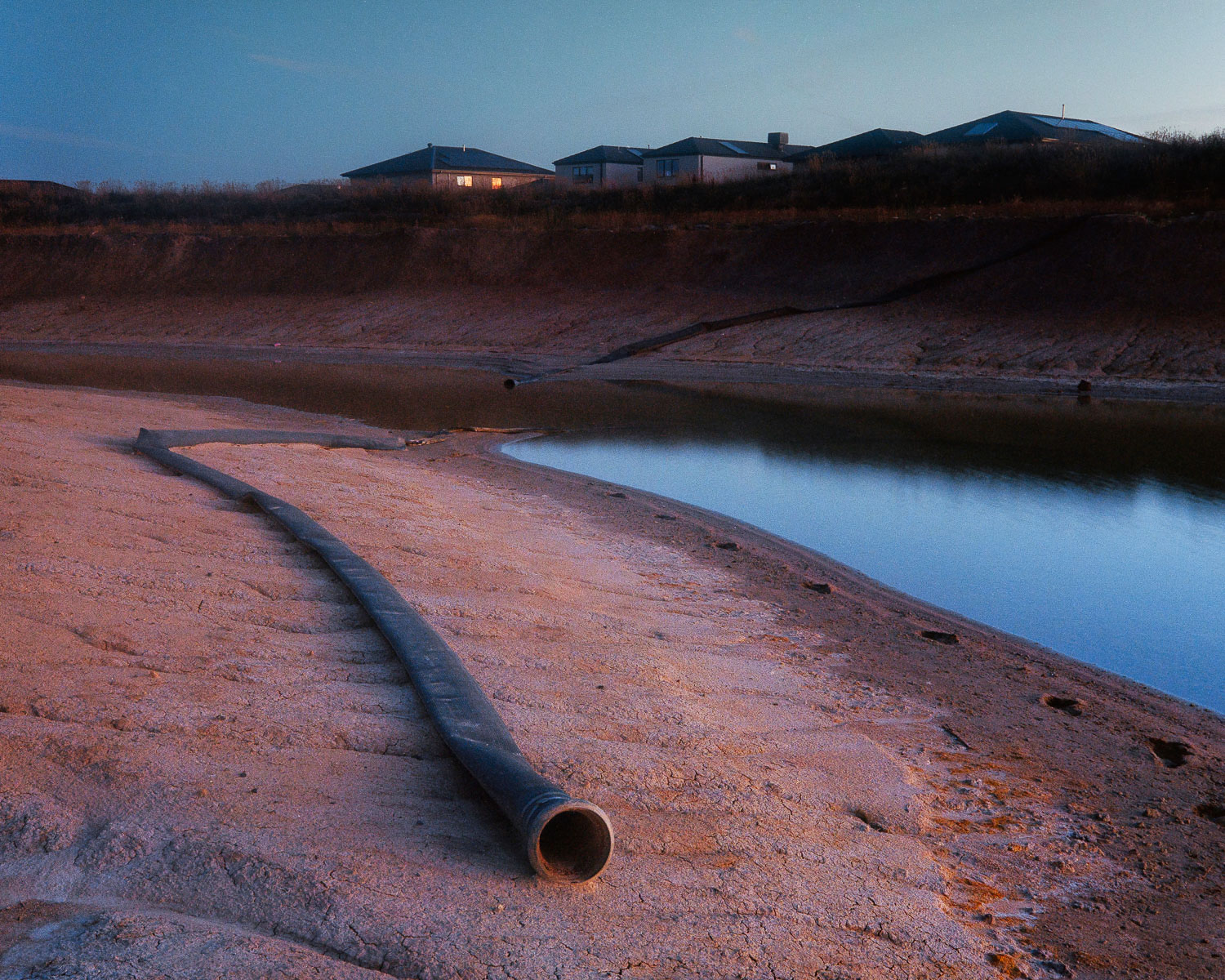
Pipe Dream Pipe Dream captures an unfinished drainage basin on a new estate in one of outer Narrm/Melbourne's fastest growing suburbs. It demonstrates the wholesale ecological disturbance underpinning 'lakeview' style developments and speaks to the lifestyle and amenity gaps between new and established urban areas amid the current housing affordability crises.

Cara Mand
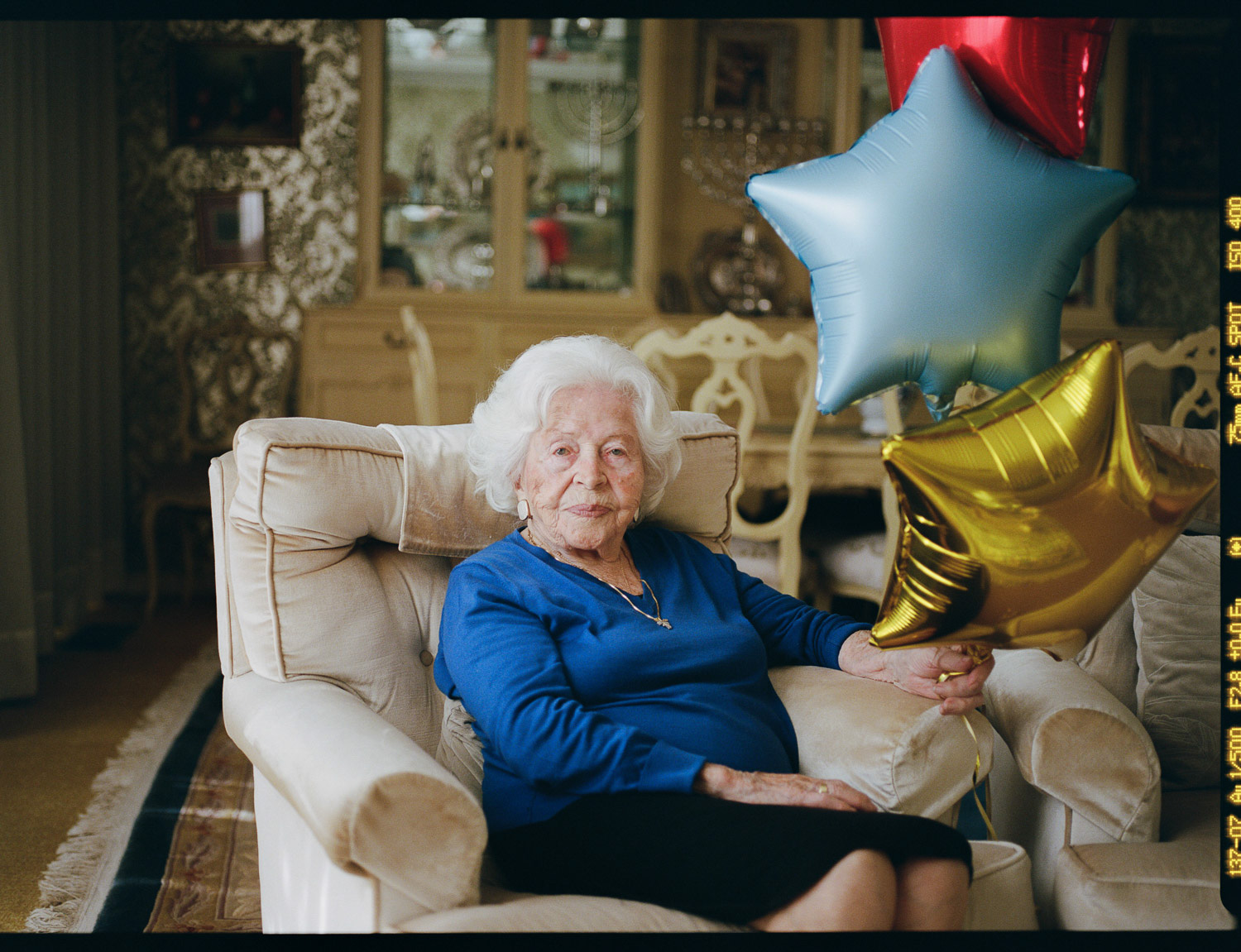
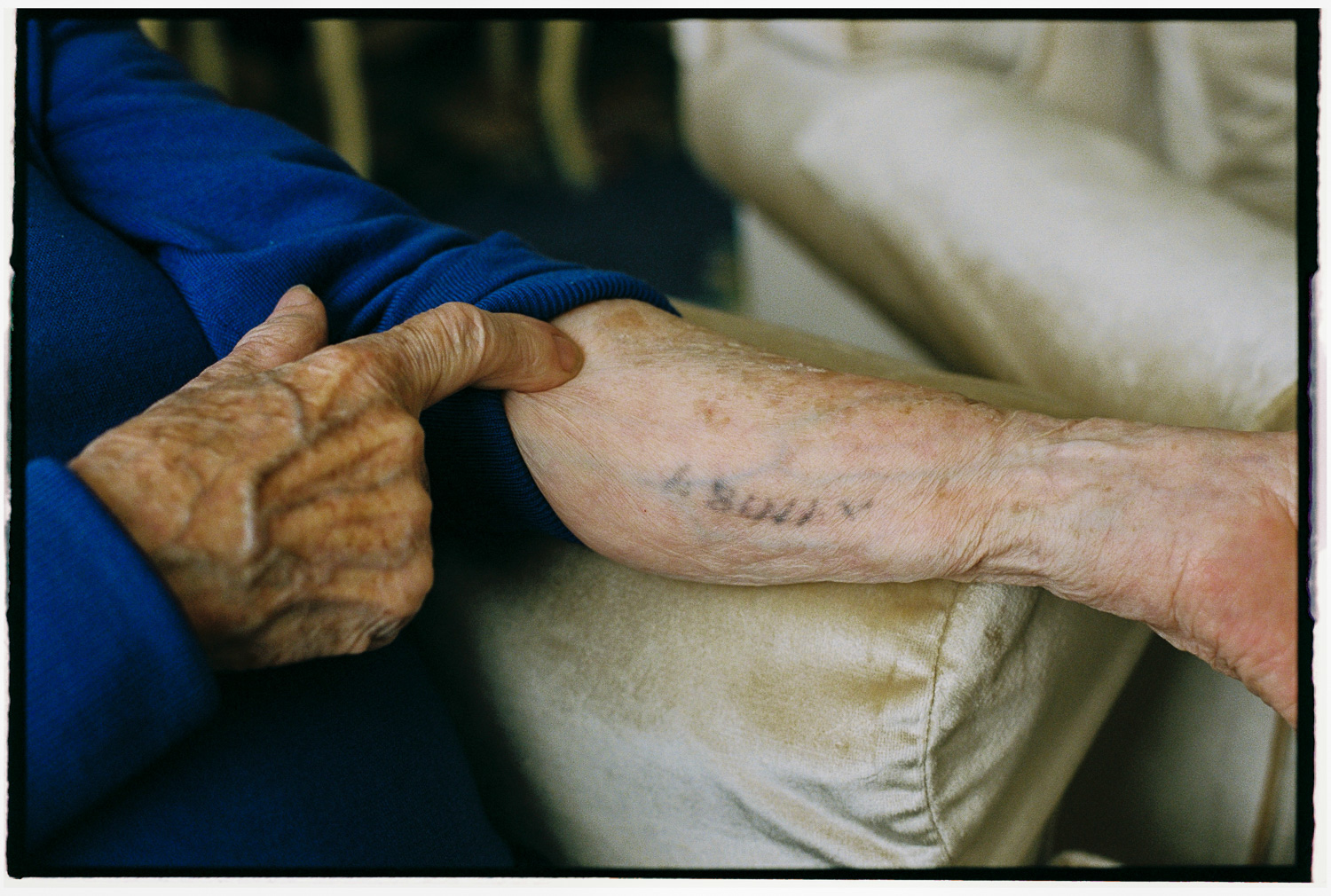
101 At 101 years of age, she holds her birthday balloons as a quiet testament to a life shaped by extraordinary history. A child survivor of the concentration camps, a migrant, a mother, and a witness to a century of profound change, she journeyed across the world in search of a new beginning. Her portrait speaks to resilience, endurance, and the enduring capacity for hope and joy.

Cara Mand
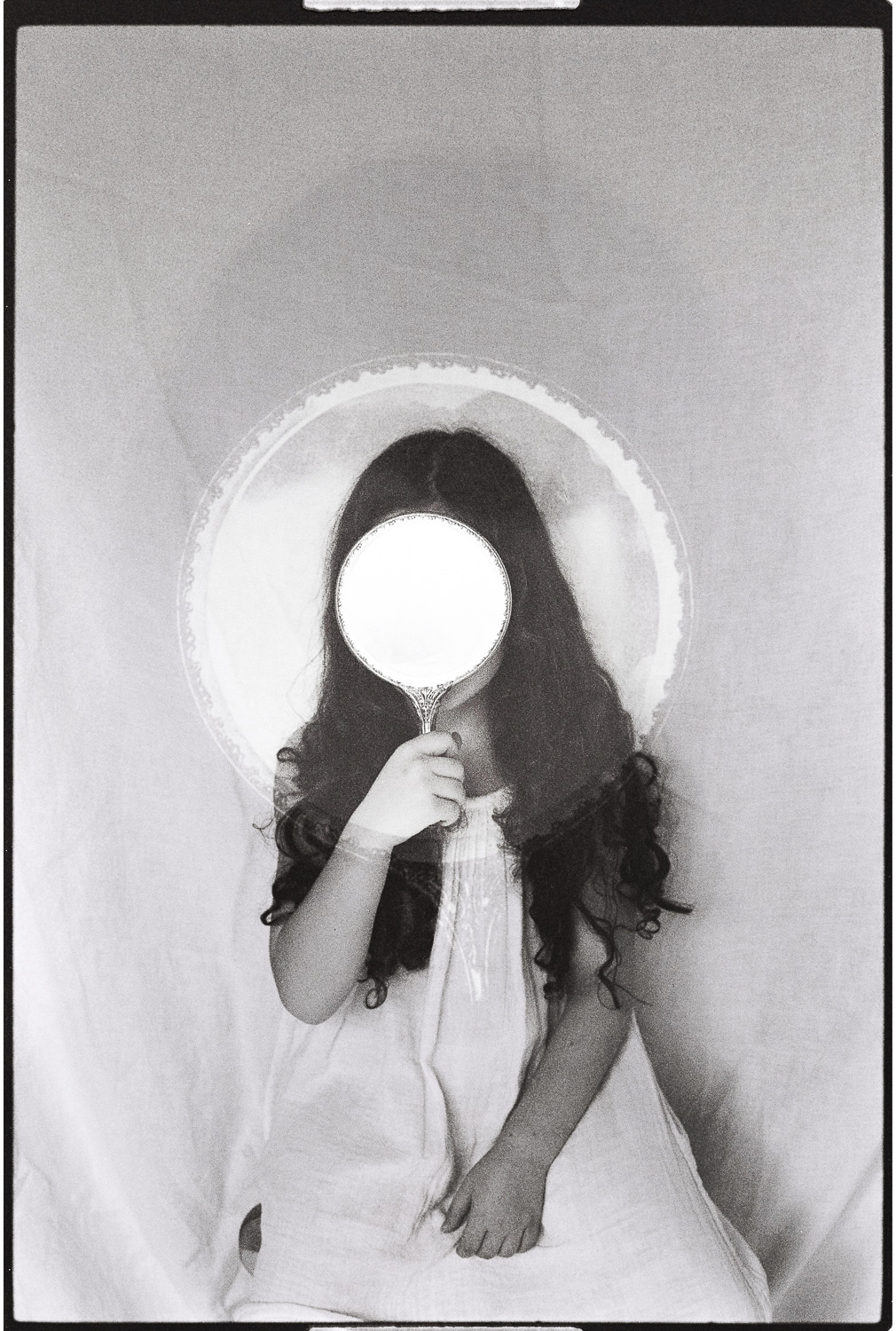
Unseen childhood A child stands before us, yet remains unseen. Holding a mirror in place of her face, she becomes both subject and absence, visible and protected. The image emerges from an ongoing ethical tension: how much of our children should we reveal, and how much should remain their own? In an era where life is routinely documented and shared, we are increasingly tasked with balancing connection, visibility, and protection. This work reflects the uncertainty of raising children within systems that encourage exposure while obscuring future consequences. The mirror becomes a gesture of care, concealment, and respect for autonomy.


Carly Earl
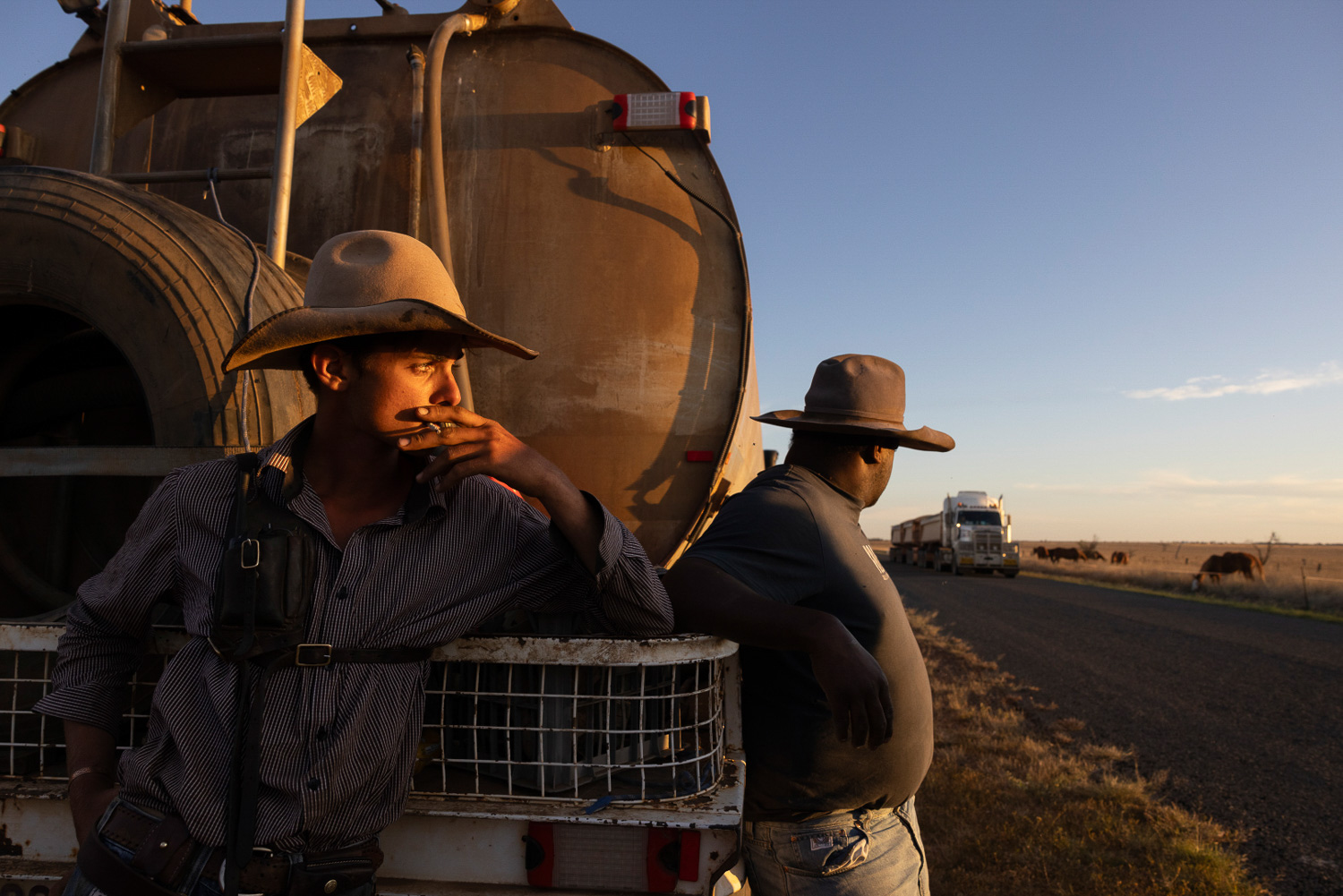
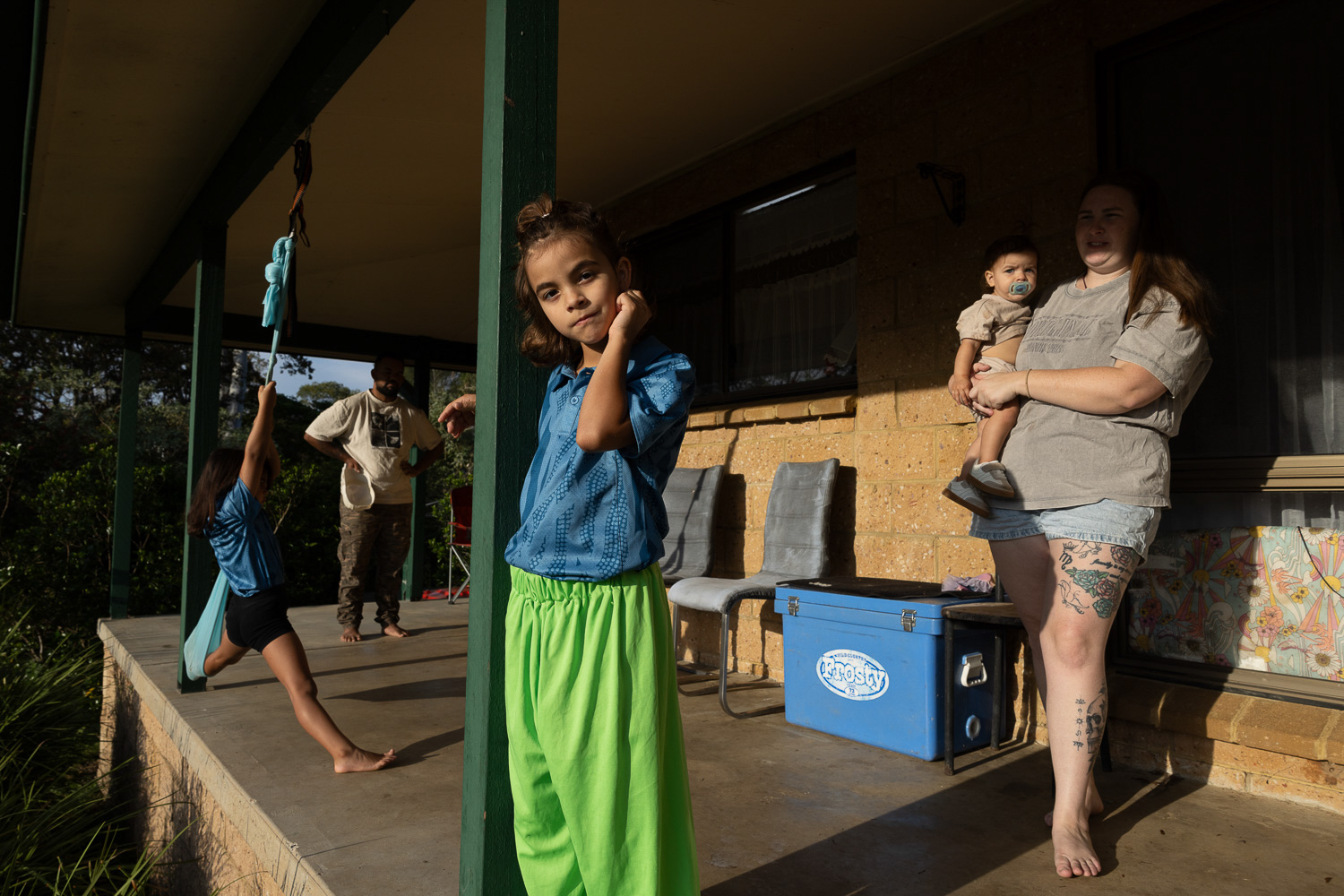
Learning Gumbaynggirr at home home in Coffs Habour, NSW. The family is involved in one of Australia's only indigenous language schools which is loacted in Coffs Habour, NSW. As Indigenous languages decline, Gumbaynggirr is experiencing a resurgence. What began with a handful of elders pooling their pensions to record a few words in the 1980s has led to its revival, to the point where it is once again being spoken in homes and learned by babies.

Catherine Cloran
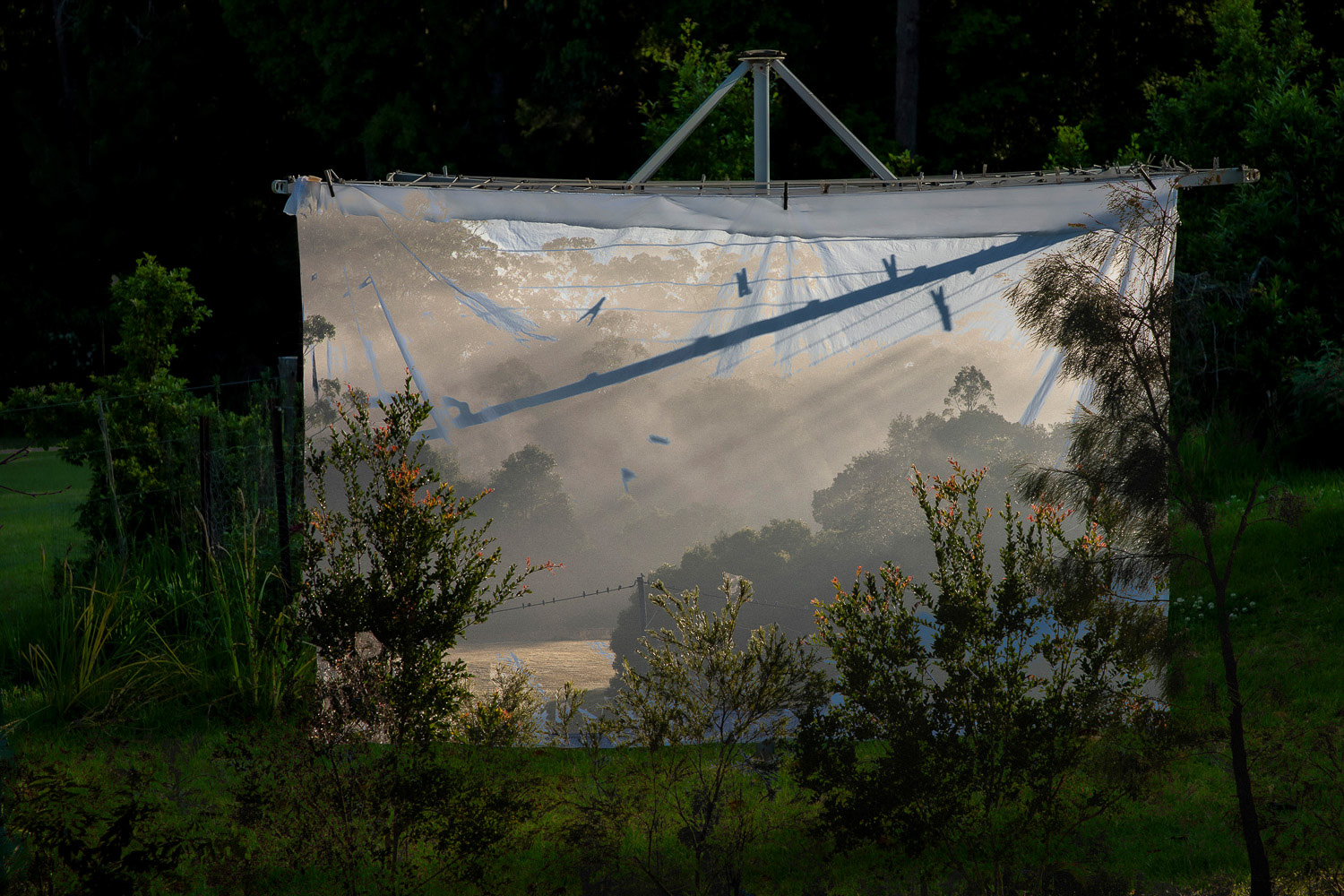
Screen Time The natural world is central to my art practice. To integrate the ‘everyday’ with art and nature, I layered an image of the landscape that surrounds me onto an image of a white sheet hanging out to dry on the clothesline. The clothesline was shot in the afternoon shadows, while the landscape on the sheet was captured on a bright, misty morning. This juxtaposition creates an effect where the one image illuminates the other.

Cheng Kang
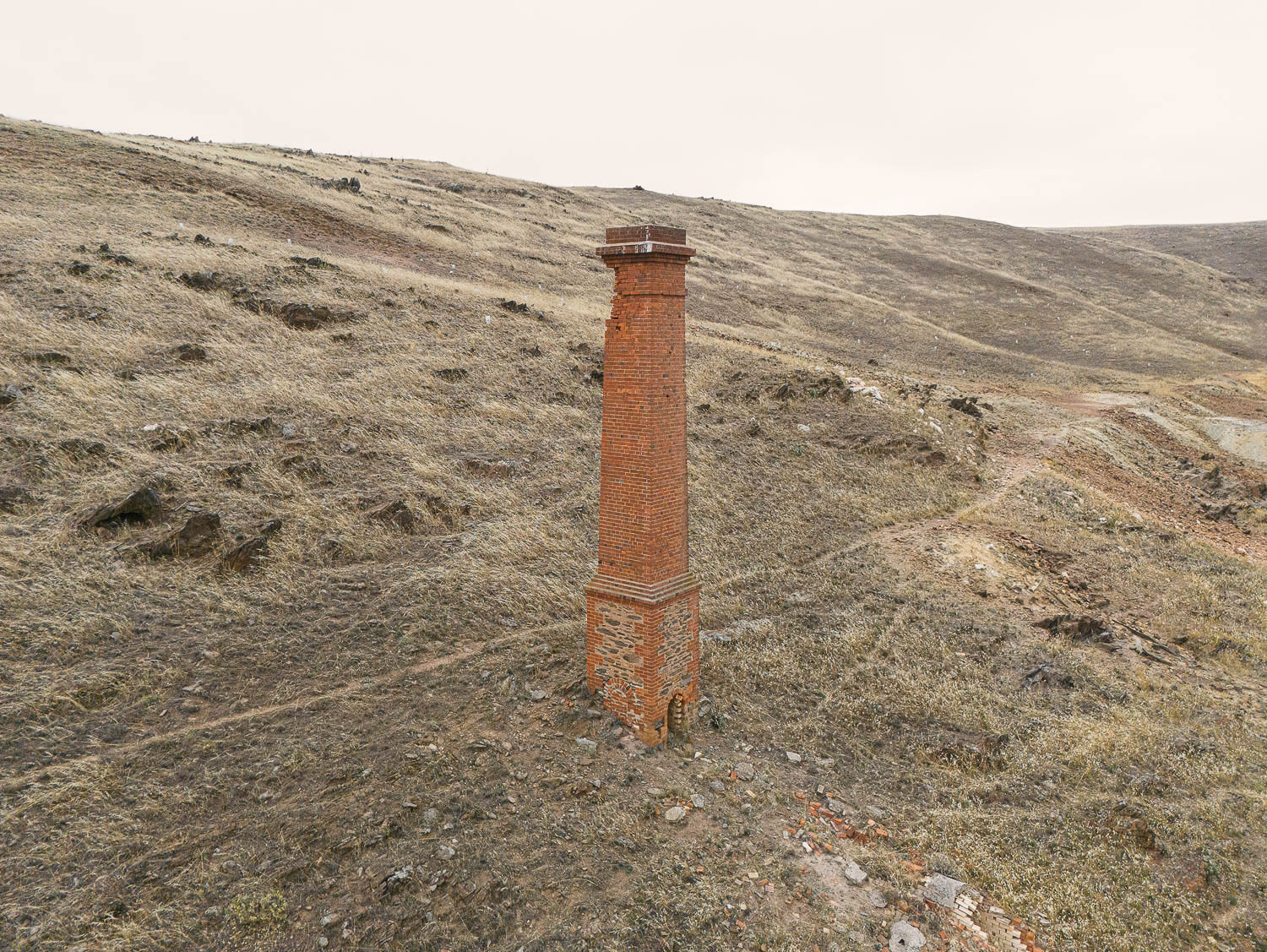
The Chimney Remains Nearly a hundred years ago, this site was a brickwork, where clay was mined and bricks were made on location. Extensive deforestation once cleared the surrounding forest to support industry and agriculture. Today, most traces of that settlement have faded. The chimney remains, standing against an empty landscape.

Chloe Bartram
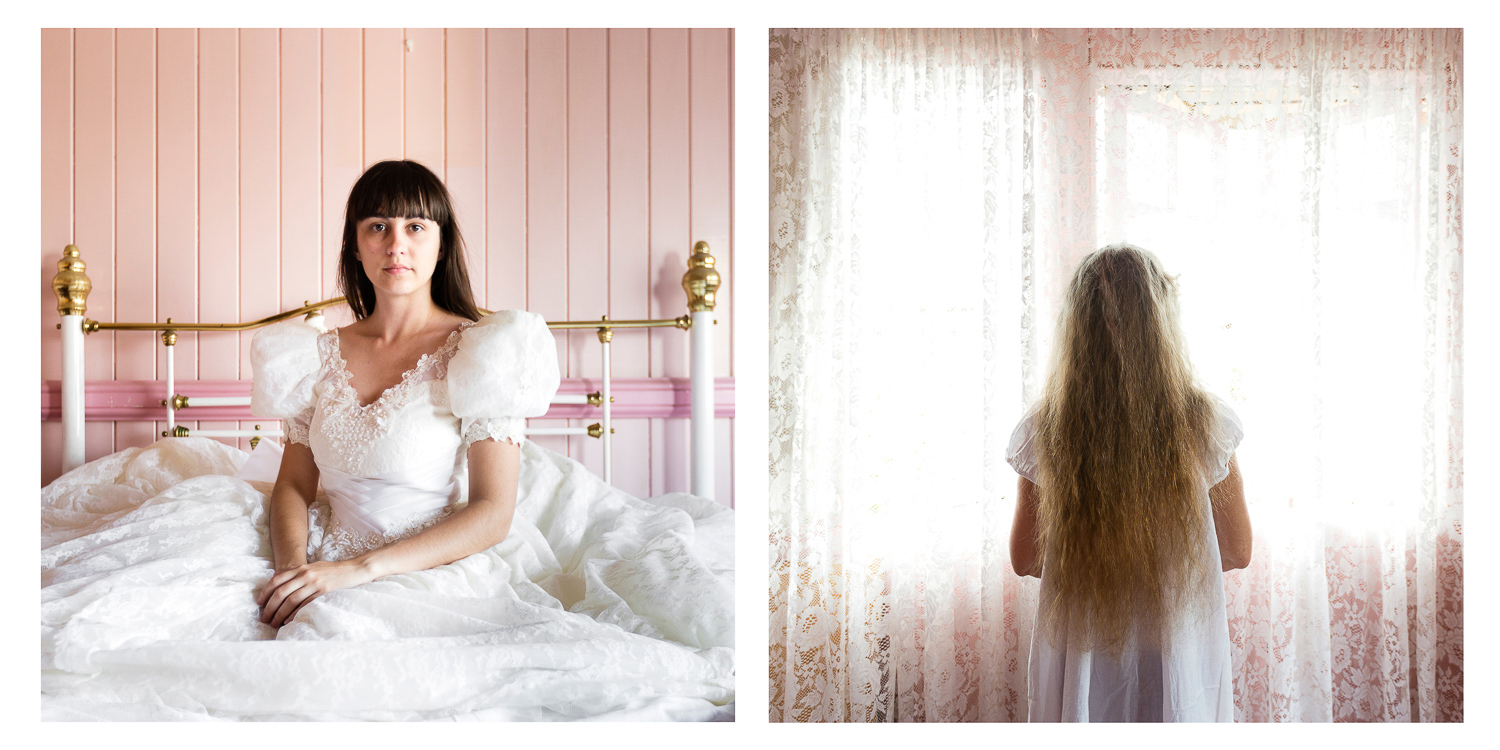
'Untitled' from the series "The Encyclopaedia of Sex Practice: Ages Sixteen to Twenty Four (and some after)" "The Encyclopaedia of Sex Practice: Ages Sixteen to Twenty Four (and some after)" is a polemical exploration into the sexual and bodily narrative prescribed from adolescence to early adulthood. A lived experience that has had passivity, submission and obedience inculcated into the undercurrents of my being. Using the 1932 text, The Encyclopaedia of Sex Practice, by Doctor Norman Haire, as a framework to position the images and text I endeavor to revise the narrative from one of docility to one of ownership and active decision making. Though saccharine in visual representation, the work seeks not to subvert the constraints of femininity or reframe the constructs of being female but rather challenge notions of societal complacency in allowing such experiences to take place. The act of sharing a secret means it is no longer one and through this process the work aims to have a cathartic impact on the mind, allowing it to let go of memories that should no longer have an influence over experiences of sex and love.


Chris Round
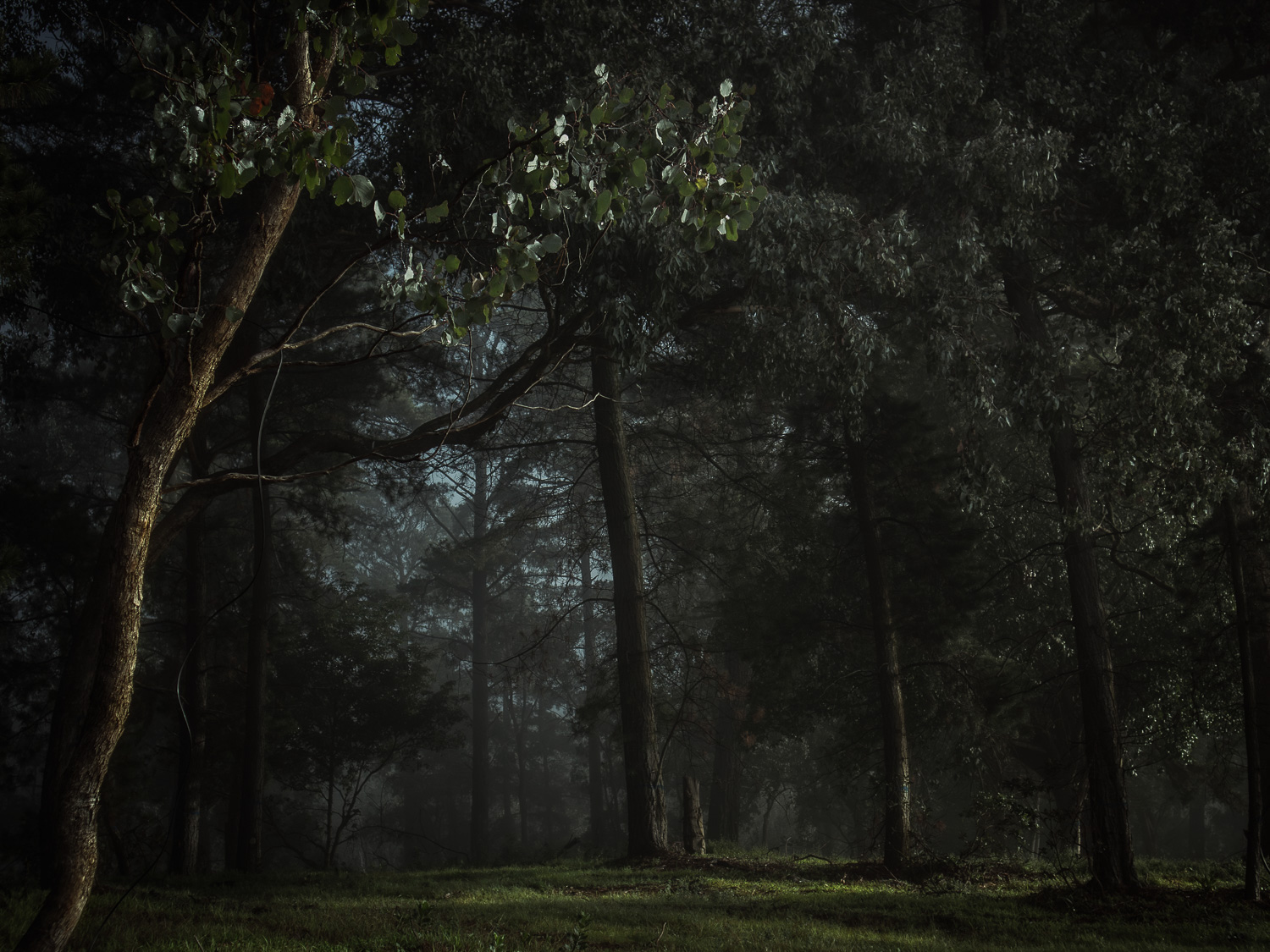
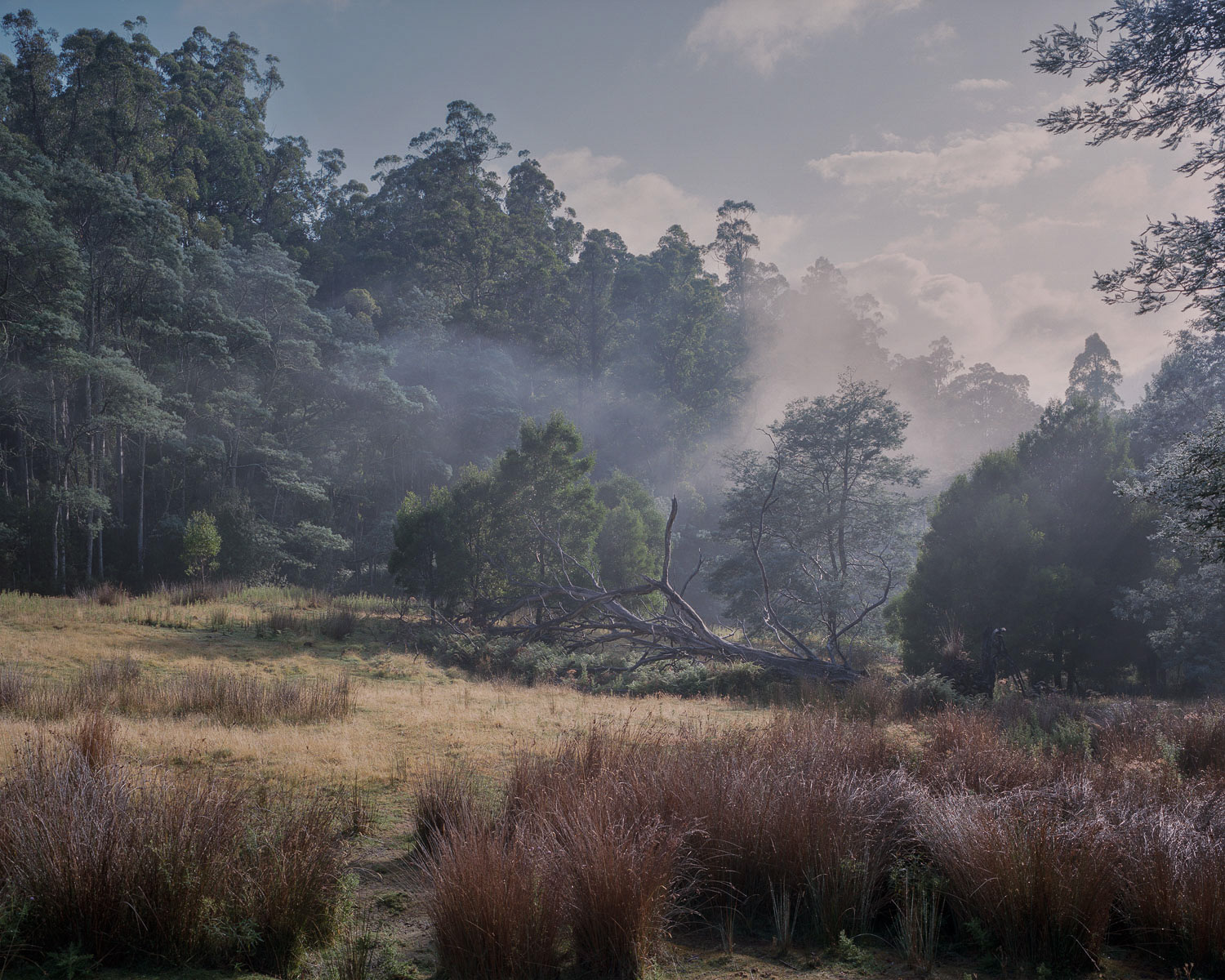
Fallen Tree, Koonya, Lutruwita (Tasmania) Amongst the ancient forests in Koonya, Turrakana (the Tasman Peninsula), this woodland looms as a living vestige to a land shaped over millennia. The morning light, with dispersing fog, the fallen timber calls to mind early settler paintings - austere and reverent, loaded with both awe and melancholy. But this is a landscape haunted by a complex past. The environment is loaded with the memory of violent displacement of the Pydairrerme people and the harsh legacy of nearby penal colonies, histories of suffering that shadow the frontier gaze. The image lingers with this tension between ecological endurance and human scars, between timeless wild and the darkness it has witnessed.

Christine Goerner
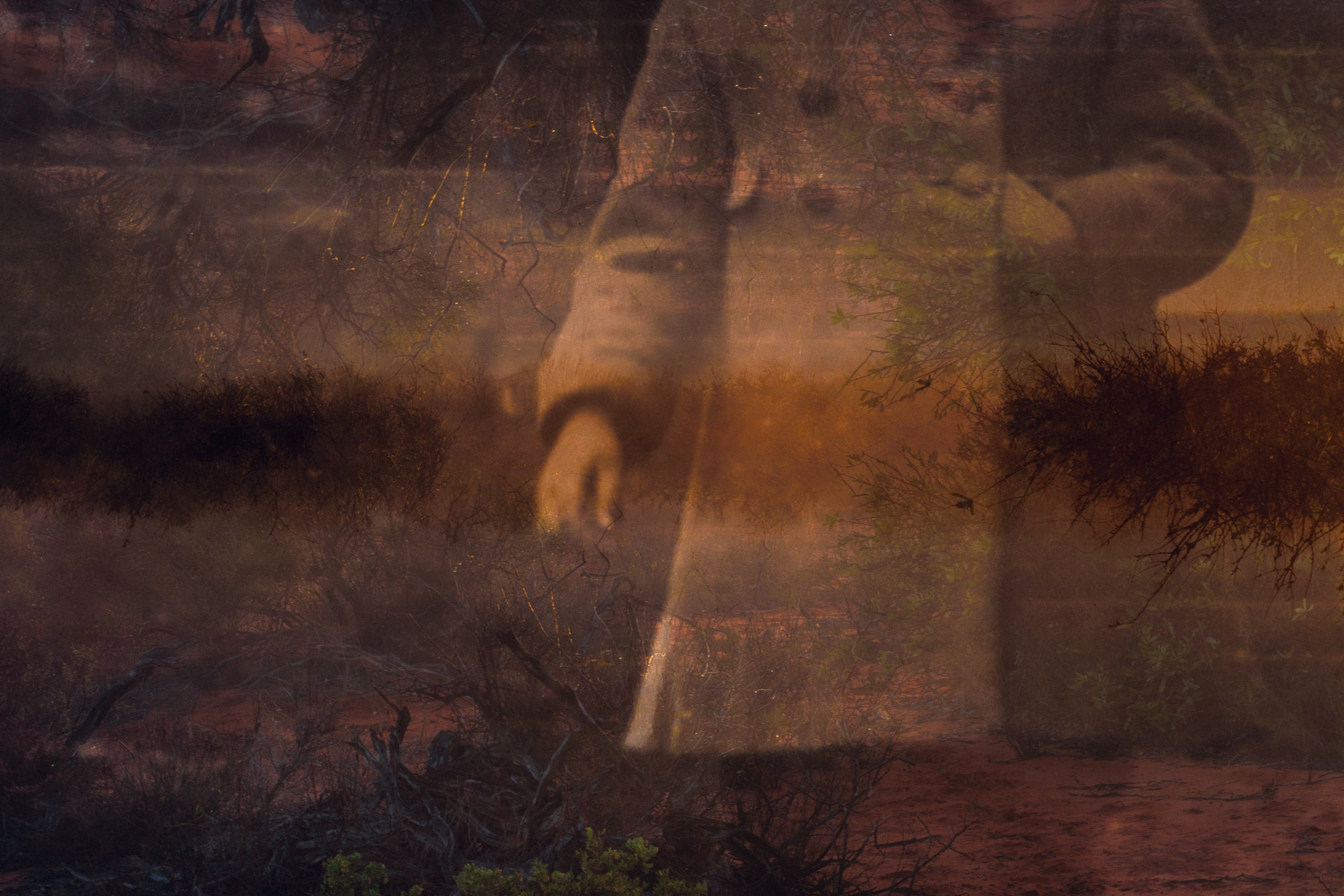
Fabric Of Country This portrait serves as a visual eulogy, exploring how migration permanently alters the self. The heavy, European-style coat represents my mother’s origins as an immigrant, a garment wholly unsuited to the sun-baked continent. However, the photographic layers dissolve the boundaries between her childhood history and her home. The rugged Australian landscape grows straight through her fabric and flesh, anchoring her to the earth. Through this rich palette of ochre reds and dusty browns, the artwork honours her final transition. It shows a person who carried the memory of a distant birthplace, but whose spirit ultimately fused with the landscape, ensuring she died a true Australian.


Christopher Allery
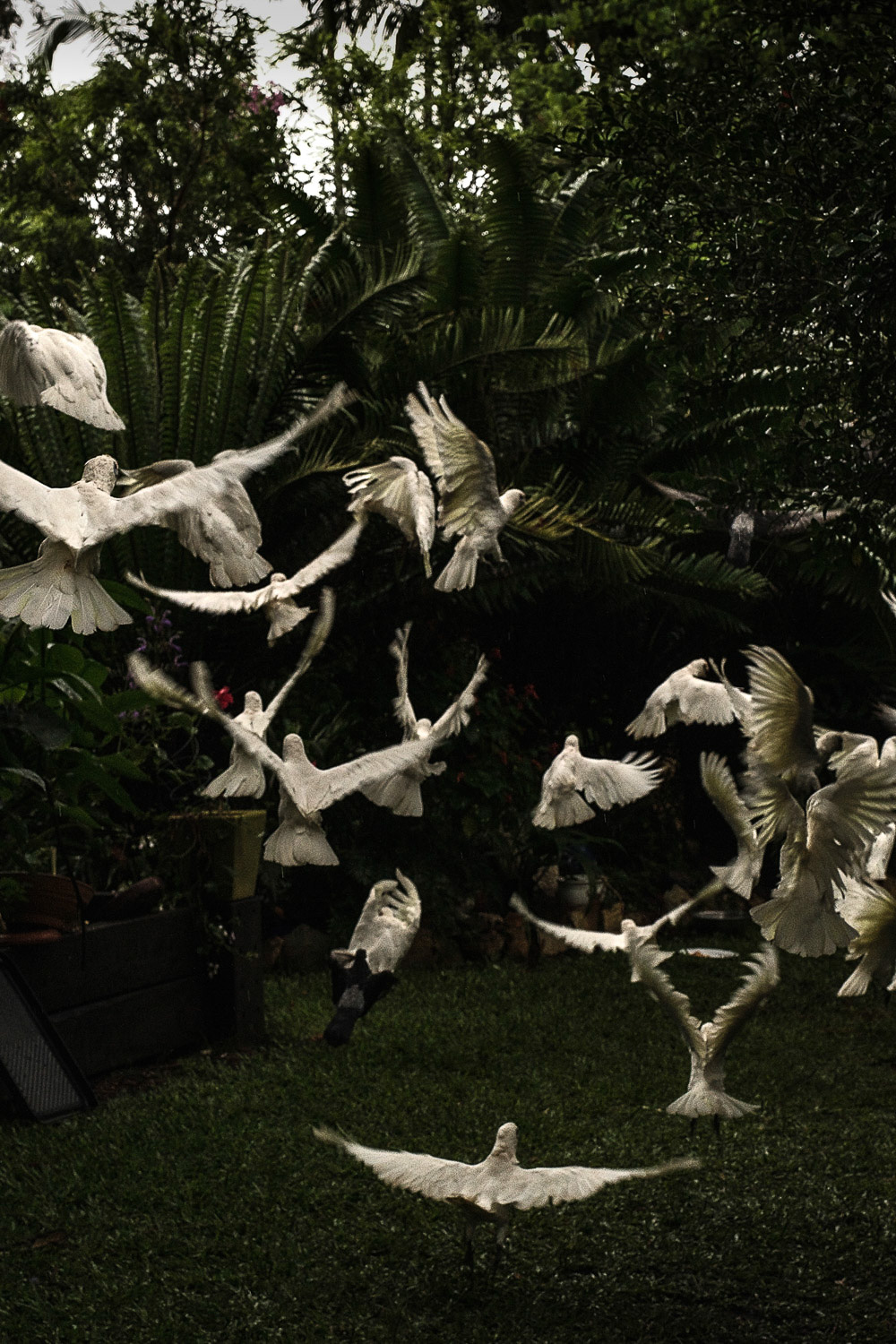
The Entanglement of God V The Entanglement of God is an ongoing photographic series that explores family, spirituality, and the ways belief is woven into everyday life. Photographed in my aunt’s subtropical backyard at dusk, this image captures a flock of corellas taking flight, their bodies dissolving into movement, silhouette, and light. The photograph occupies a space between the physical and the symbolic, evoking ideas of transcendence, transformation, and the mystery of what lies beyond the visible world. For me, the birds become a metaphor for the soul in motion, an expression of our enduring desire to understand life, nature, and the spiritual forces that connect us to one another.


Daniel Sly
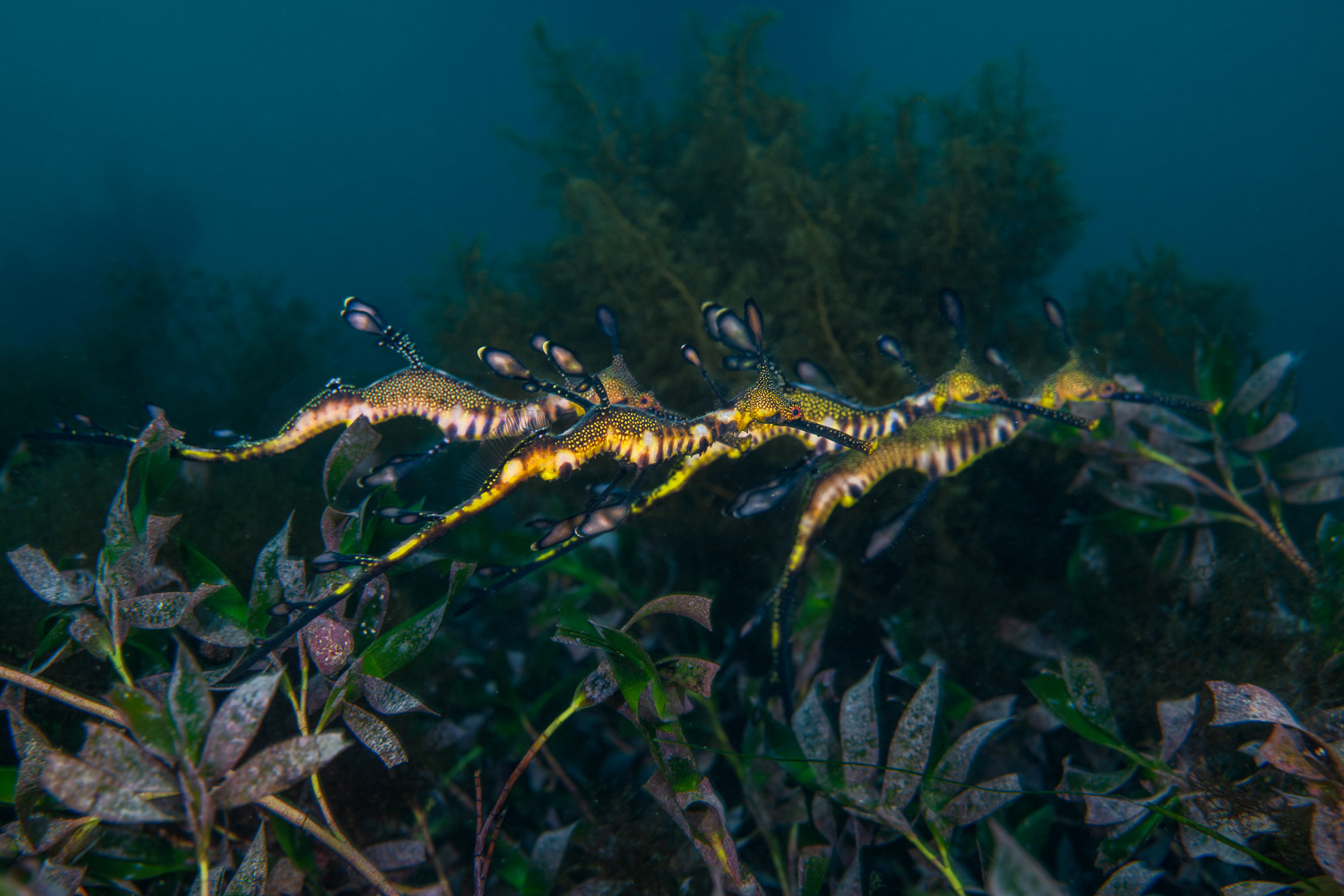
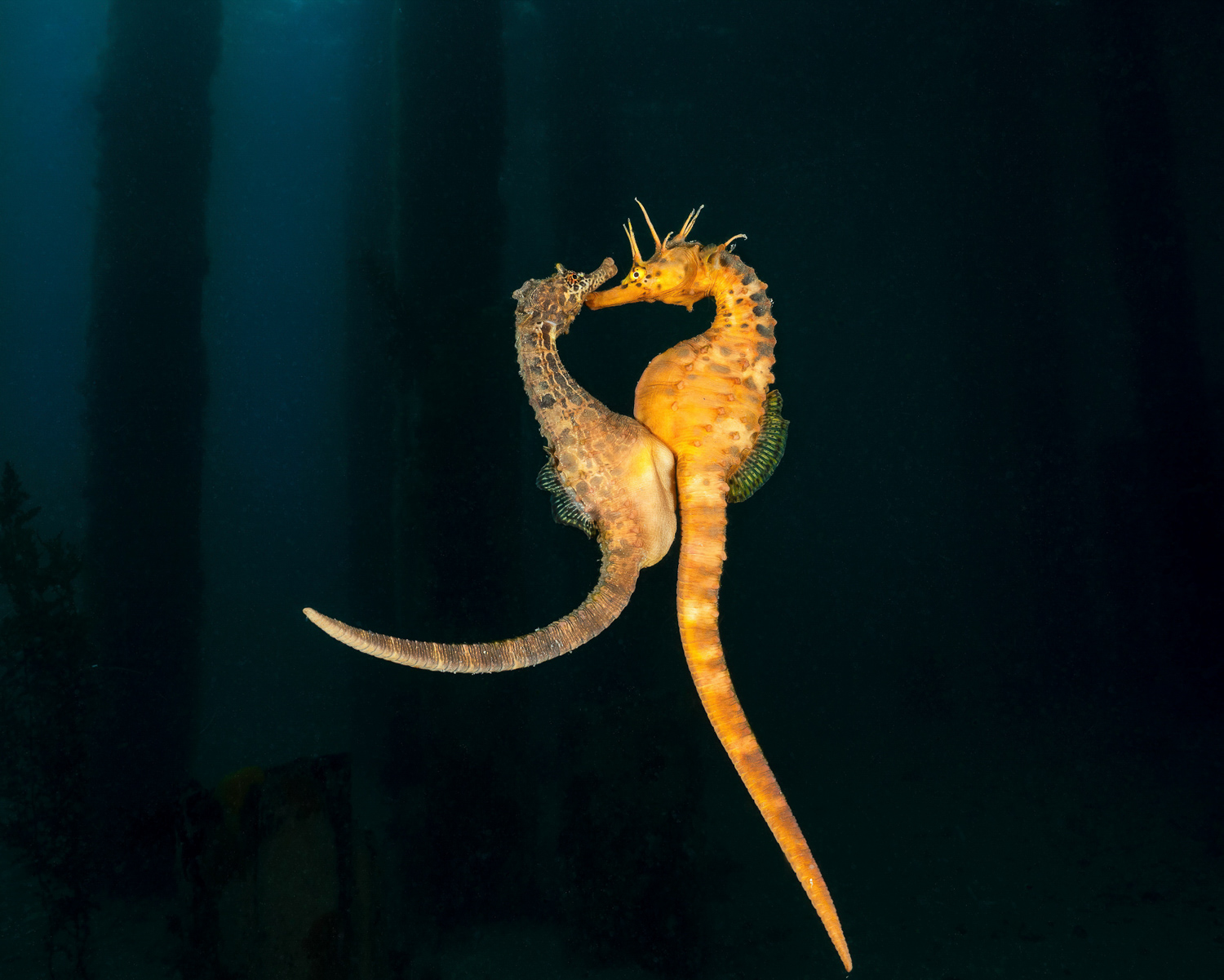
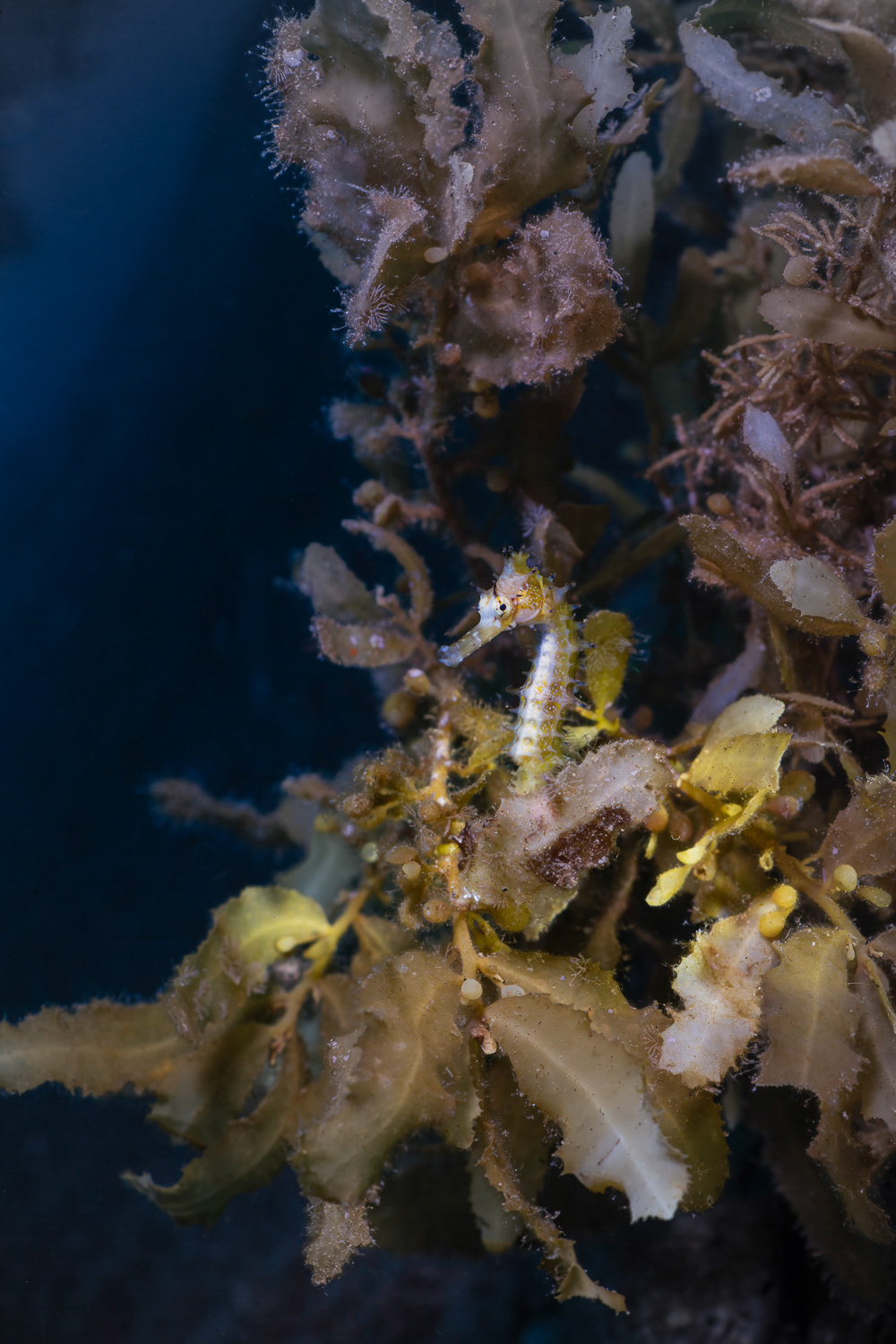
All in a Line Four sub-adult weedy seadragons shelter beneath Flinders Jetty, where the waters of Western Port Bay meet Bass Strait. These juvenile dragons often gather in small groups, finding safety in numbers as they navigate the turbulent currents of one of Victoria's most unique marine environments.

Daniela Rodriguez
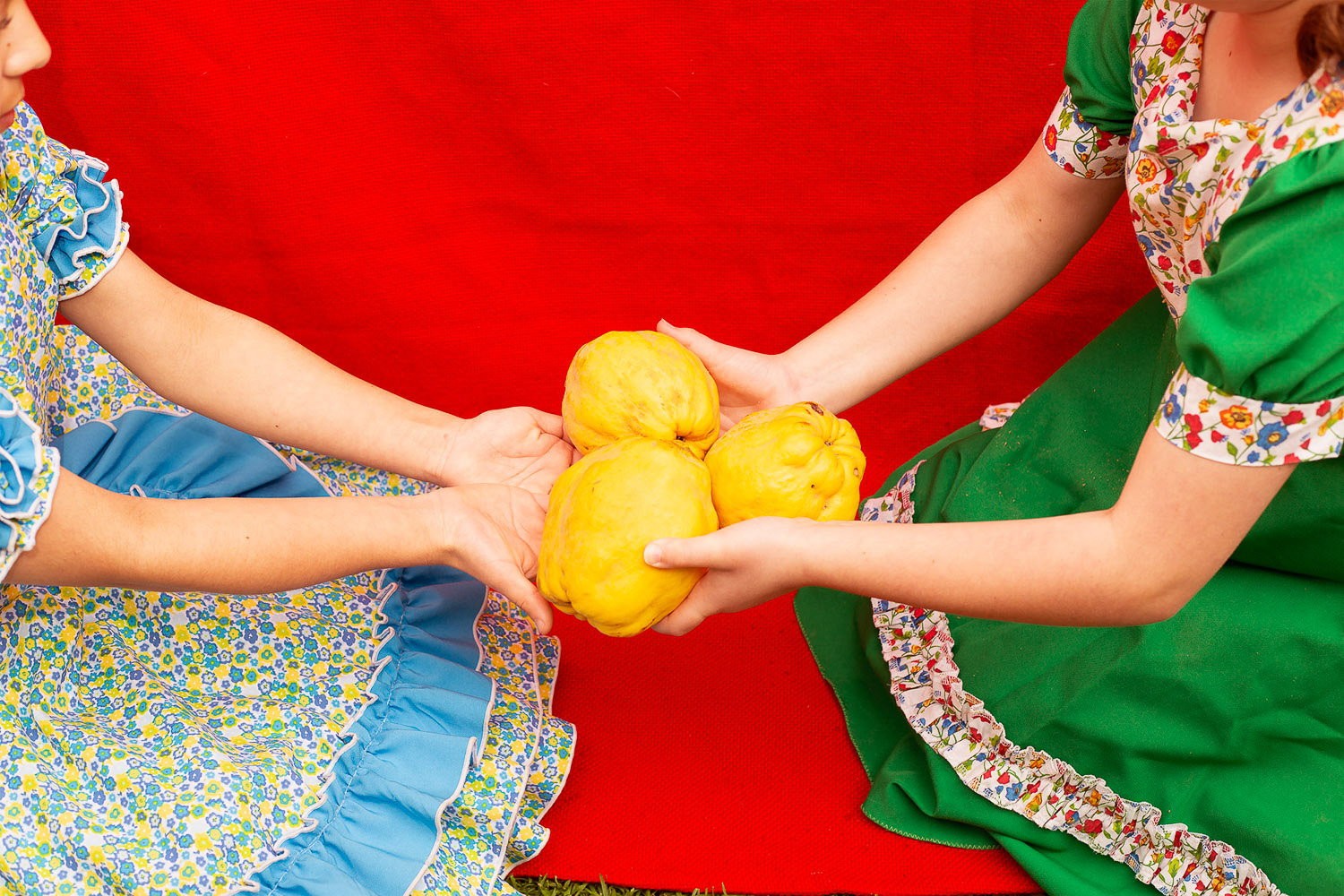
Echoes of Elsewhere Two first-generation migrant girls dressed in traditional Chilean attire embody the passing down of culture and intergenerational memory. The image reflects how belonging is formed through inherited traditions, shared histories, and the enduring connections that sustain diasporic communities.


Elle Leontiev
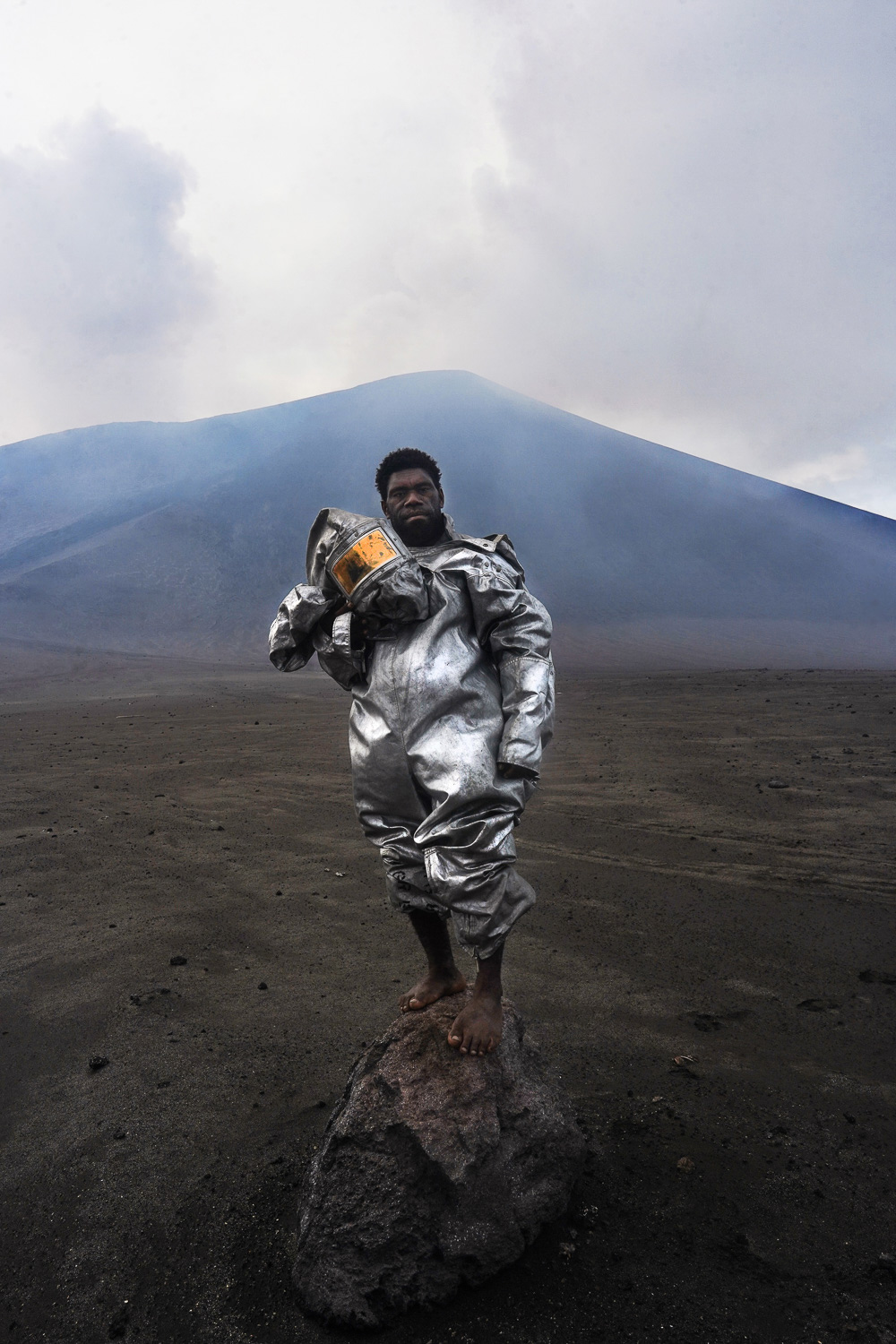
The Barefoot Volcanologist On the ash-covered plains of Mount Yasur on the island of Tanna, Vanuatu, Phillip—an internationally recognised, self-taught volcanologist—stands barefoot atop a volcanic rock bomb. Dressed in a lava-protection suit gifted to him by visiting researchers, he is framed by the smouldering volcano behind him, where a plume of gas and sulphur rises into the sky. Having grown up in the shadow of this active volcano, Phillip is portrayed here in his natural element. Since his youth, Phillip has guided scientific, research, and tourist expeditions to the crater of Mount Yasur. Despite his expertise, limited educational and economic opportunities in Vanuatu have prevented him from receiving formal professional recognition. Drawing on generations of ancestral and Indigenous knowledge, Phillip has helped ensure the safety of countless visitors through his deep understanding of the volcano’s patterns, rhythms, and behaviour. Under the mentorship of a French volcanologist based on the main island of Efate, Phillip expanded his knowledge of volcanology and now contributes directly to scientific research. He assists with field sampling, mineral identification, and magma analysis, helping researchers advance understanding of one of the world’s most accessible active volcanoes while demonstrating the vital role of Indigenous knowledge in scientific discovery. He is barefoot because his feet are size 20 and no shoes fit him so he does all his work barefooted.


Emese Gyalog
"Retrospection"- Bonn Marie I made this portrait of young woman Bonn Marie in an unguarded moment of reflection during a photo session. Whar were her thoughts here? Her look seems to hint at memories of time past - perhaps relatopnships - loves won and lost - and the consequences of past decision made, both good and bad. It set me thinking about my own past...and how retrospection has a positive impact on our future. My pesronal journey through motherhood...moving from my birth country to an other side of the planet... my realisation of my need to visually create... has made me whta I am today.


Heather Dinas
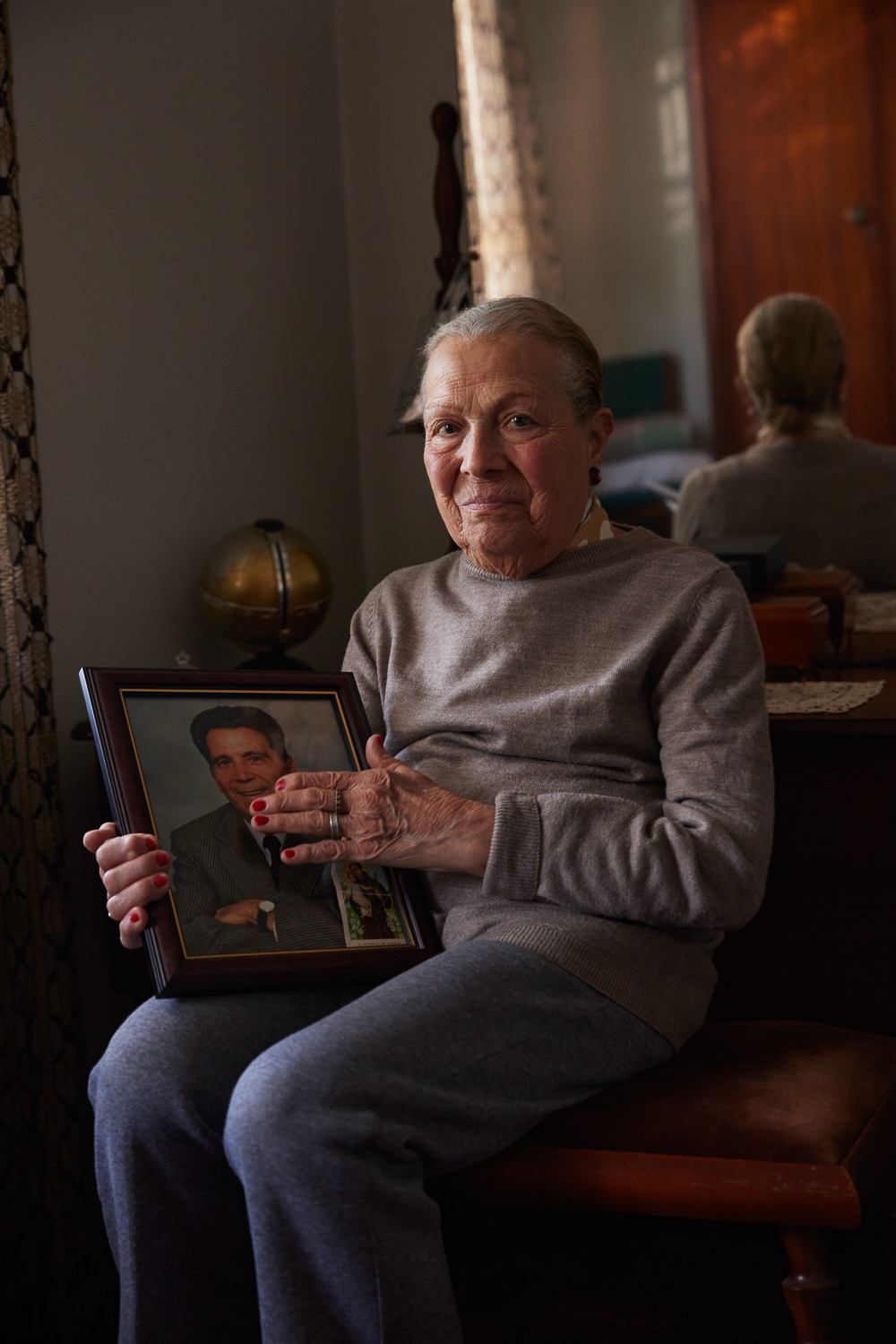
Dinas_H_Nonna_Fortunata This is the moment Fortunata held up her husband's portrait, kissed her fingers, and pressed them gently to the photograph. A simple gesture that tugged at my heart. A lifetime of partnership rests quietly in her expression. Fortunata loved fiercely and gave endlessly. At her table dough was kneaded, children were fed, advice was offered, gossip was shared, and someone was always encouraged to have seconds. Like many women who arrived in Australia with little more than courage, faith and the stories of their old country. In Mediterranean cultures we often speak of patriarchy, though I suspect many of the families I photograph would smile knowingly at the suggestion. Everyone knows where the real power lies. It lives in the matriarchs. These women aren't staging a revolution. They're quietly running the show. And yet the women I photograph rarely think their stories are important. That part gets me every time. So many of their stories remain undocumented, passed down only to the few who remember. There is something incredibly moving about being welcomed into people's homes and trusted to witness these moments. Of slowing time. Of preserving a world that feels increasingly fragile before it disappears.

Heather Smith
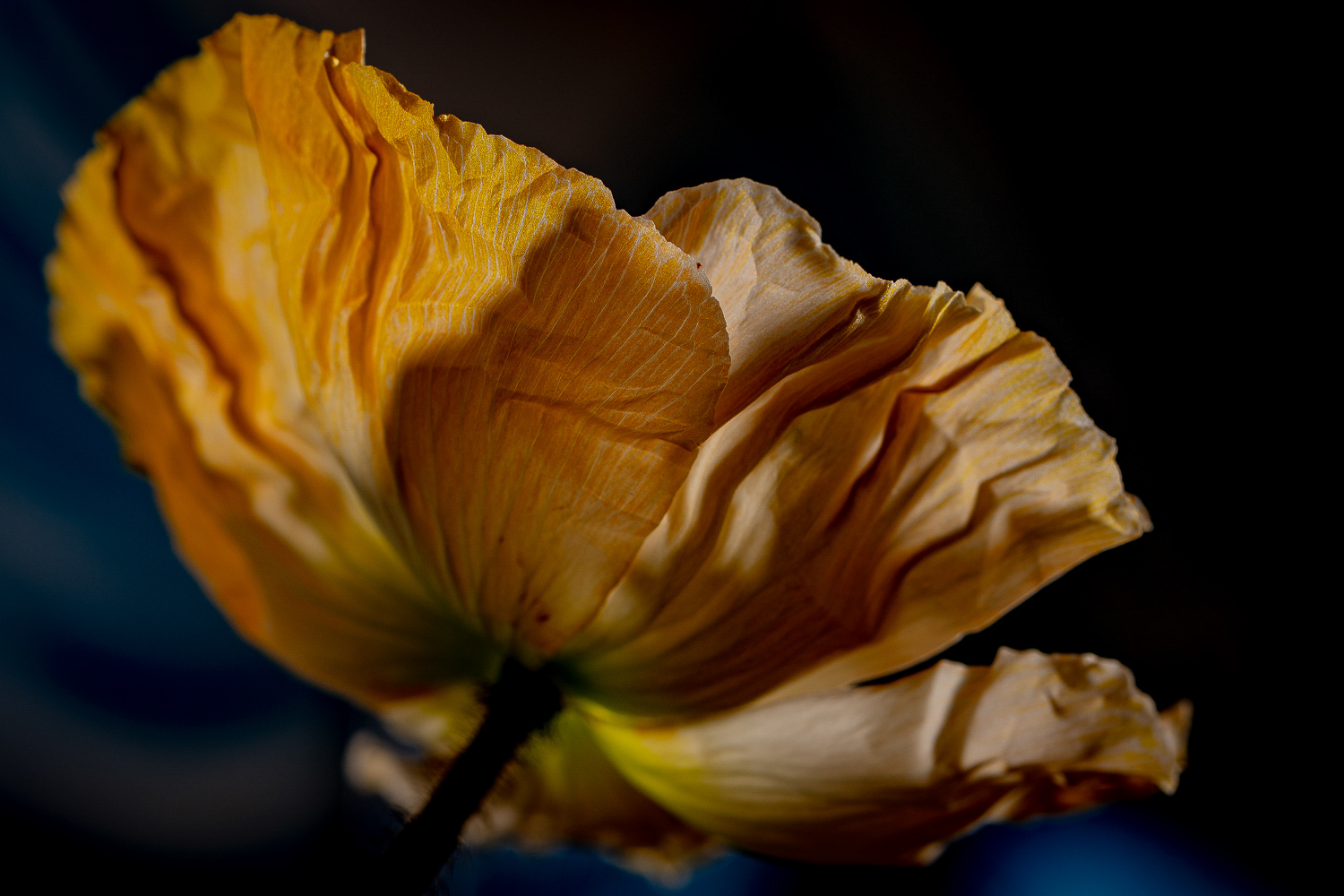
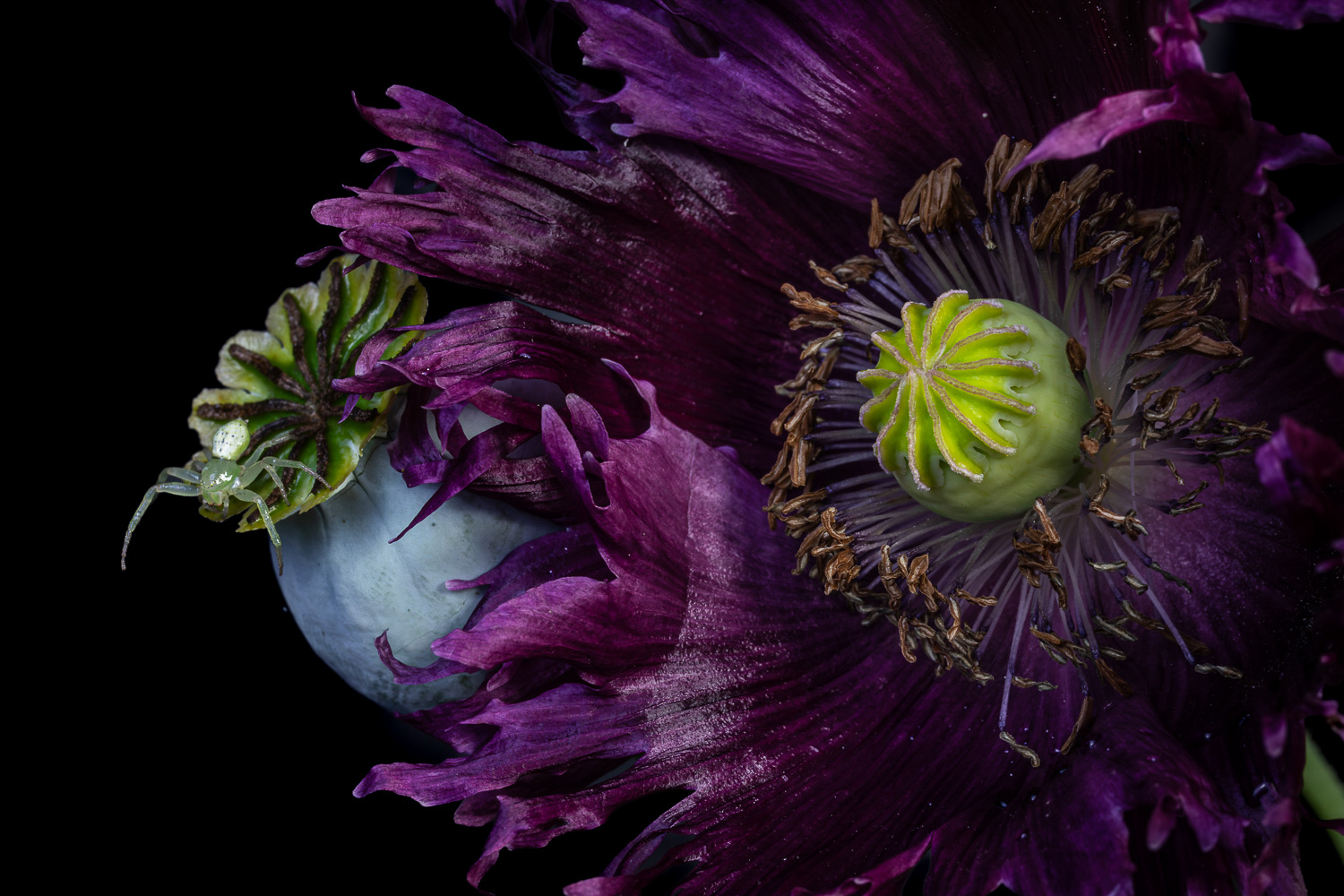
Poppy Passenger This was a studio shoot, two stems side by side, one poppy in full bloom and one already forming its seed pod. The open flower to the right, all frayed petals and spent stamens around that vivid lime green centre. The pod to the left, new and smooth, different stems at different points in a life cycle, showing you where the story goes. I was working through the composition, thinking about how rarely we see those two moments alongside each other, when a small green spider appeared on the pod and stayed for the shot. AI noise reduction applied in Lightroom.

Isabella Melody Moore
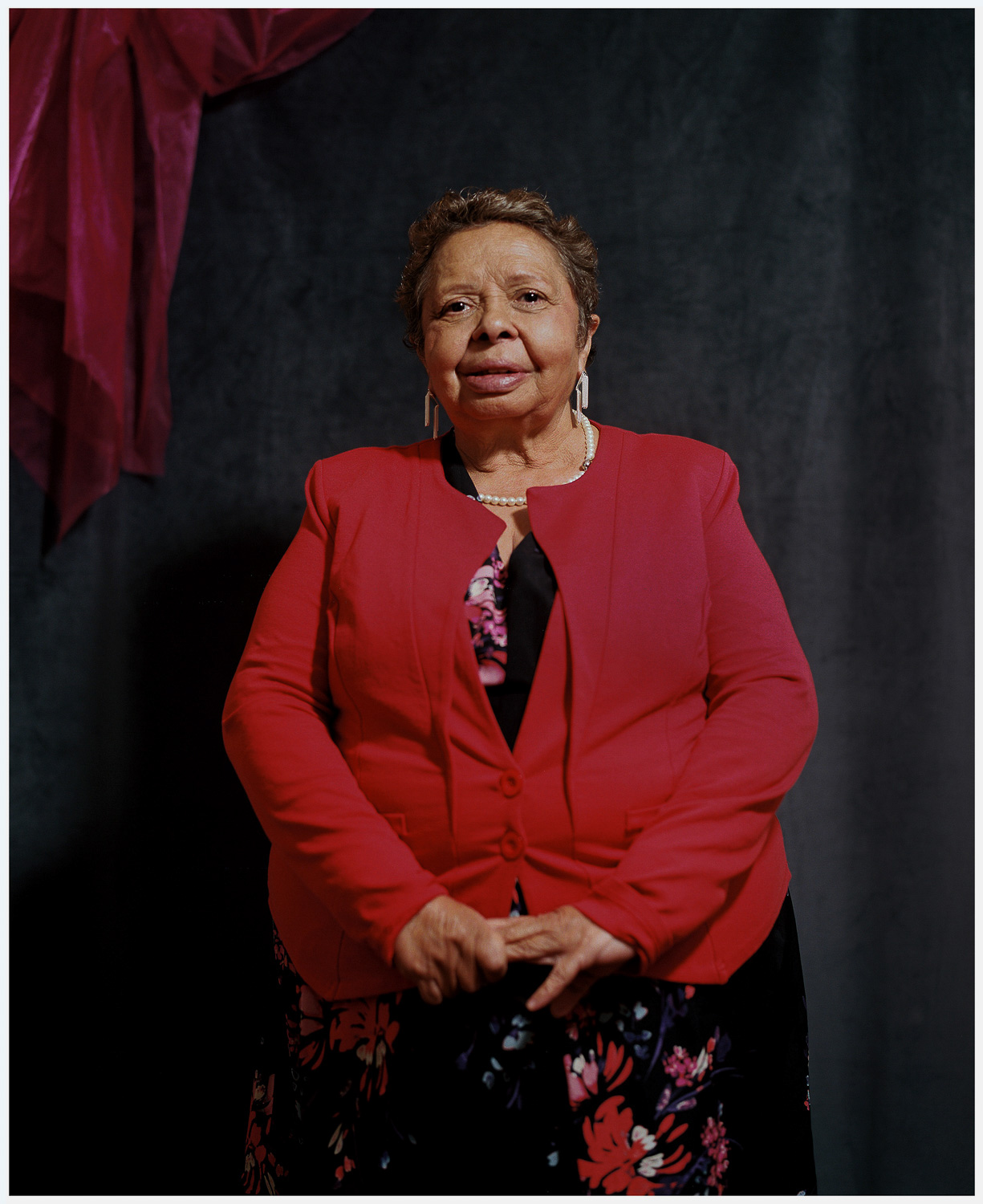
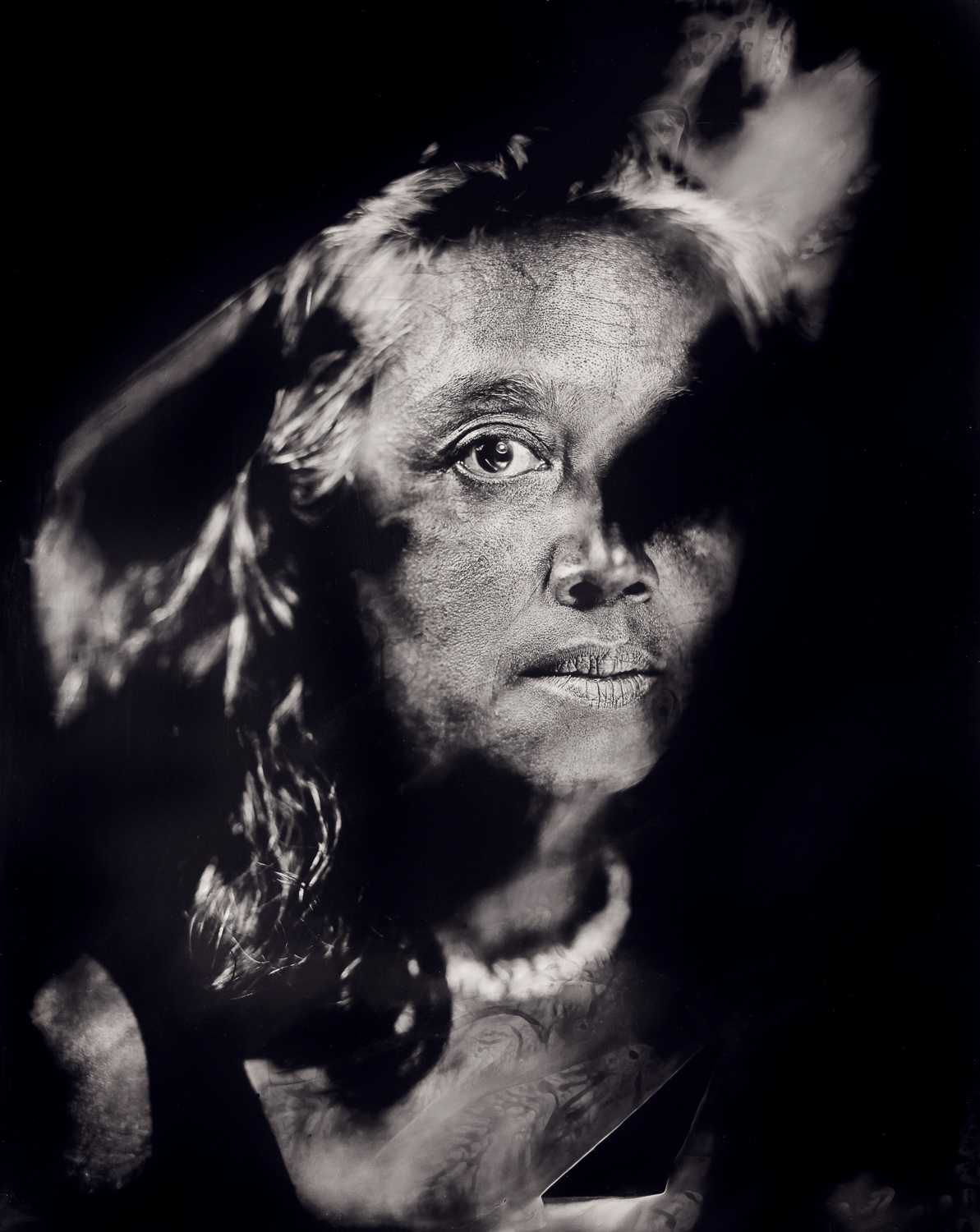
We danced away not with a kangaroo corroboree but with us shaking our booty In May, 2026, I was commissioned by the Metropolitan Aboriginal Land Council to photograph their inaugural Elders Dinner, held at the National Centre for Indigenous Excellence on Gadigal land in Redfern. Throughout the evening I invited guests to pause for a portrait. This is Aunty Annette Munro. She remembers the evening in her own words: “Looking around I thought how far we have come, from colonisation to the present. We danced away not with a kangaroo corroboree but with us shaking our booty, and looking good with our fine dresses and suits instead of kangaroo skins. Our beautiful songstress singing in English instead of language. The period and context was different but had the same meaning and intentions of coming together. A great night, leaving memories for the grannies to hear.”


Jacalyn Hollick
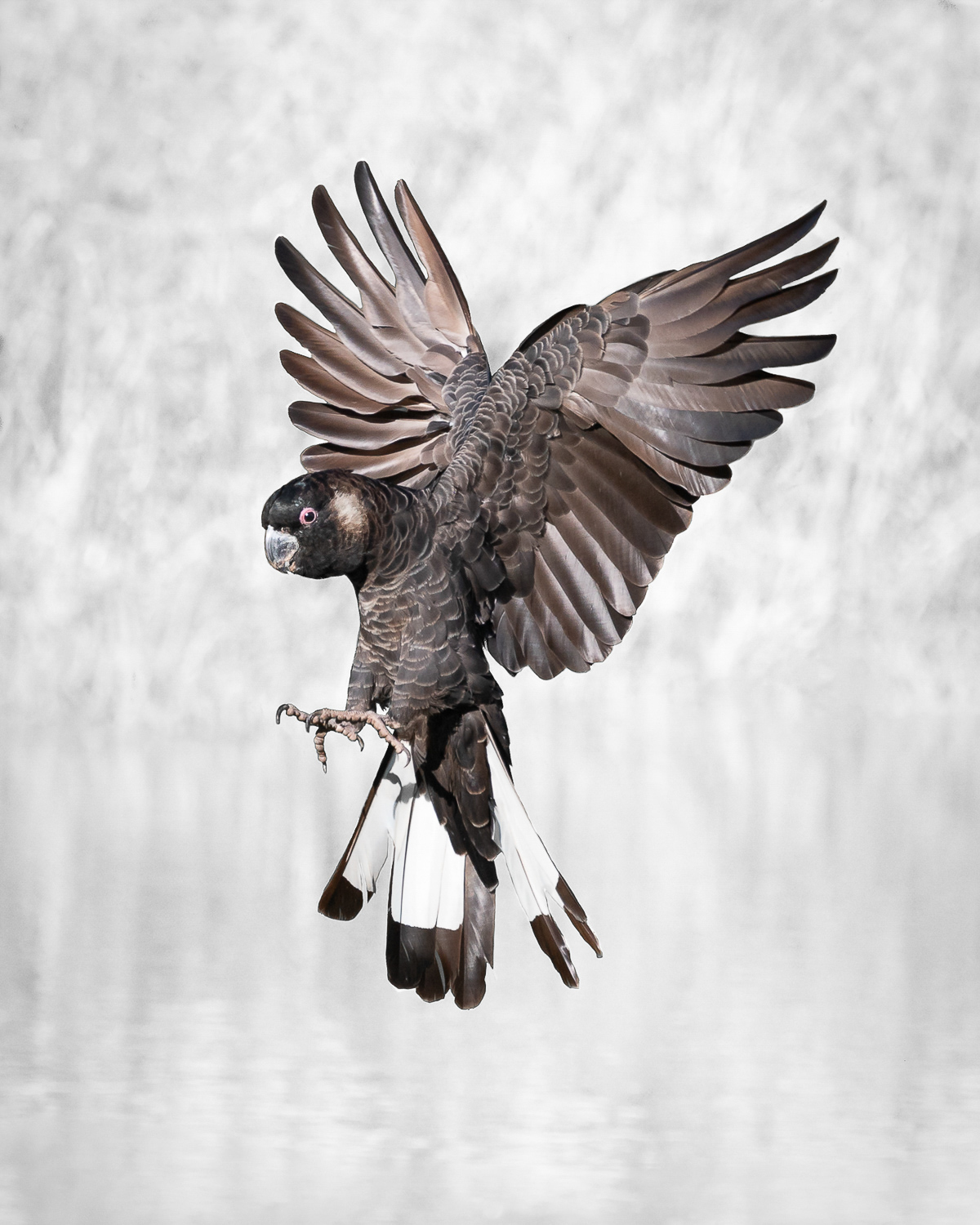
Carnaby Glide A Carnaby's Black Cockatoo glides in to land at his usual watering hole. His strength and elegance understood. What is not necessarily understood is the significant decline in number of these beautiful birds. I hope this image sparks some interest in bird conservation and protection.

Jack Robert-Tissot
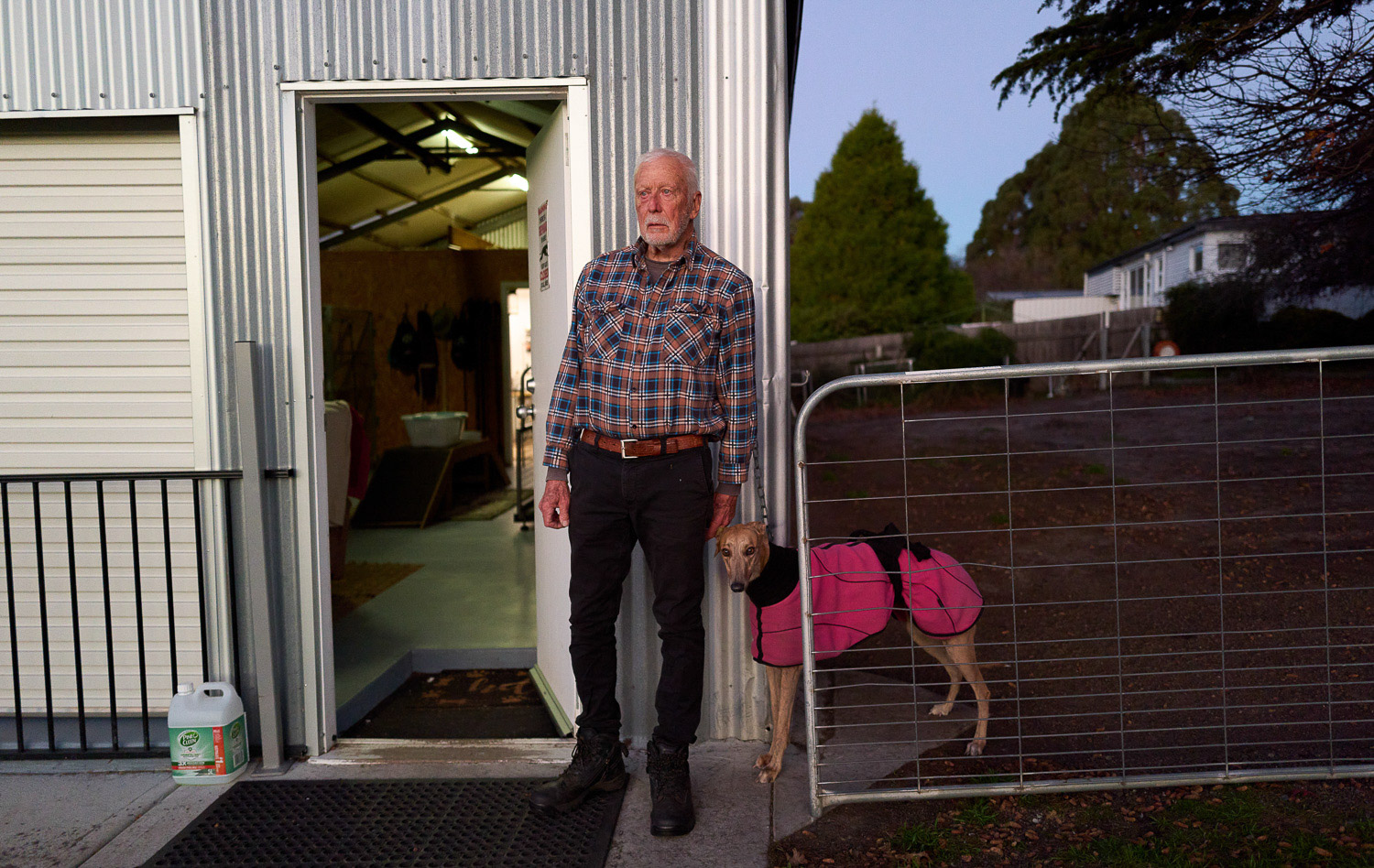
Noel Gibson Noel Gibson is a Vietnam veteran and greyhound trainer based in Copping, a tiny rural town in southern Tasmania. During his deployment in Vung Tau he developed significant PTSD which still impacts his daily life. When I visited Noel, his partner Sharyn, also a trainer and dog breeder, told me his work with greyhounds helps to manage the ongoing symptoms. While I chatted to Sharyn, Noel seemed to lose himself momentarily, without prompting the racing dog nearby pressed its nose into his leg. Part of an ongoing series looking at greyhound racing in Tasmania in the context of a phase out of the sport by 2029. Australia remains one of the last places in the world to conduct commercial greyhound races.


Jason Reekie
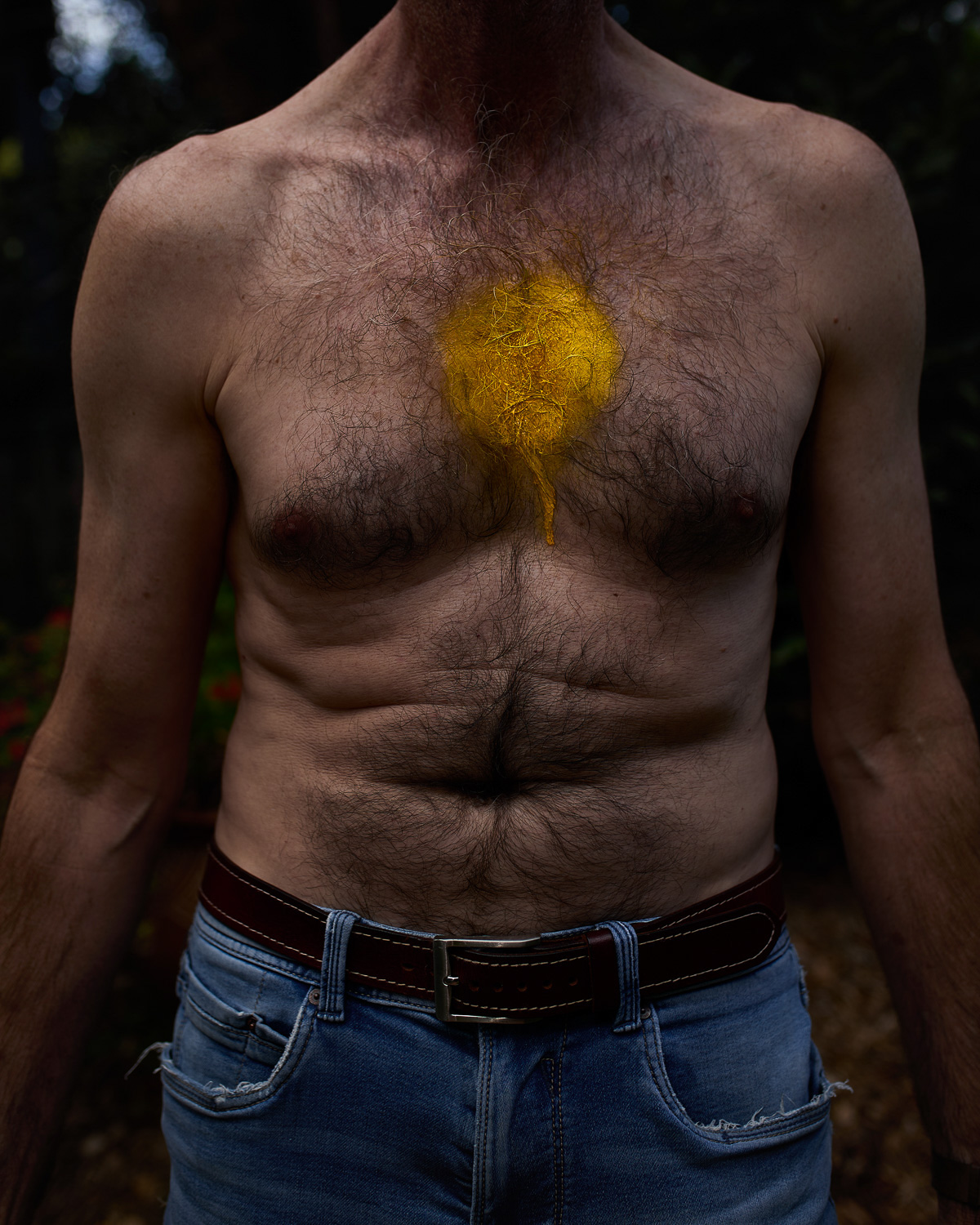
Marked for Removal On my daily walk with my dog I pass trees that the council has deemed to old or damaged or diseased and have no value any more. They're spray painted with a yellow spot. Marked for removal. I feel a kinship with these trees. As a photographer, growing older and the relentless march of AI are making their mark. But, I have to stay optimistic and so I'm calling this my mark of renewal.


Jesse Thompson
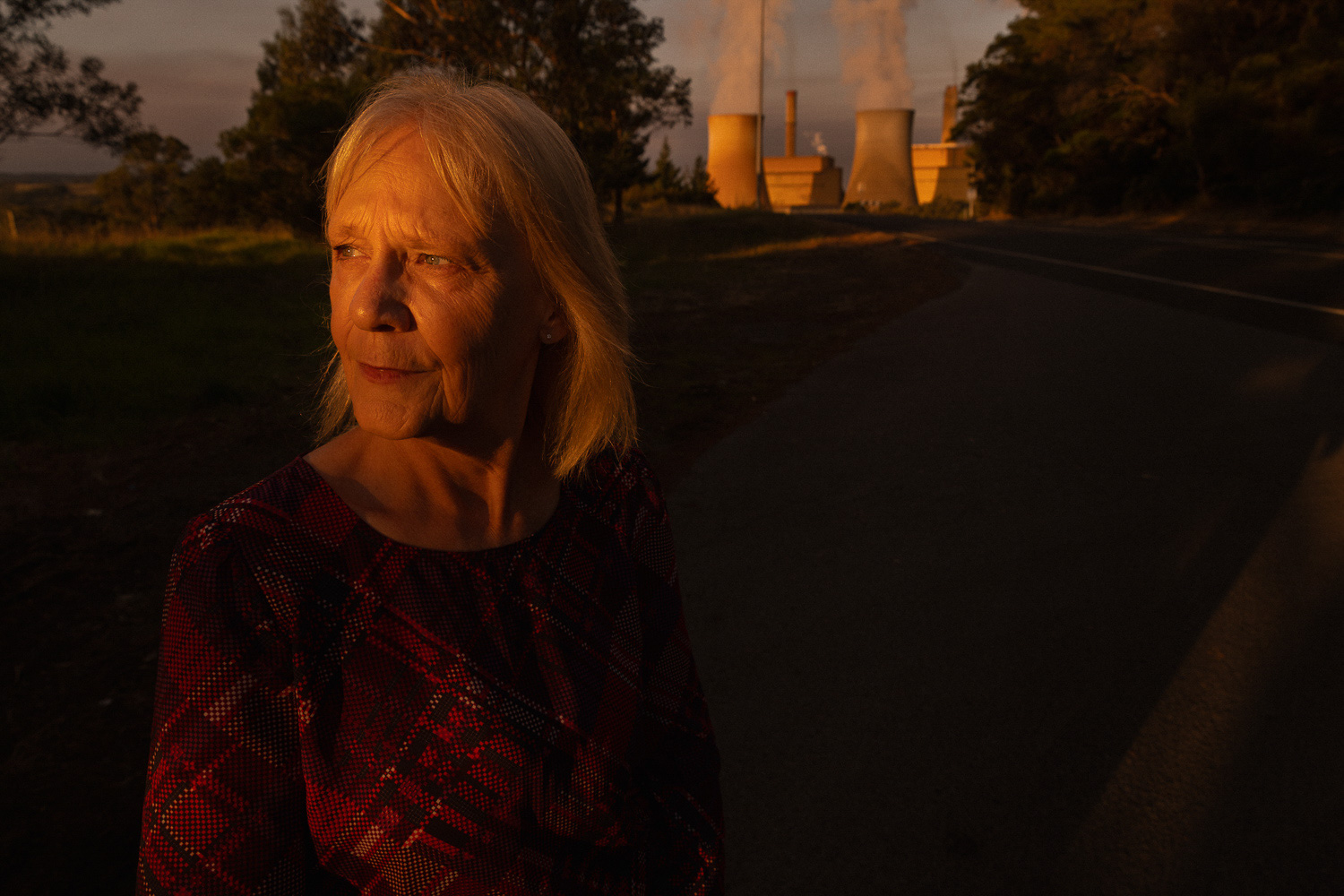
Wendy Anti-coal and advocate, Wendy Farmer, poses for a portrait near her home in Moe, Victoria. Wendy lost her grandfather, father and brother due to health complications associated with working in the coal-fired power stations and mines that lie in close proximity to her home in the Latrobe Valley. She is now a leading voice in the local community and broader climate movements, calling for a just transition and highlighting the health impacts of fossil fuels.

Jessica Hromas
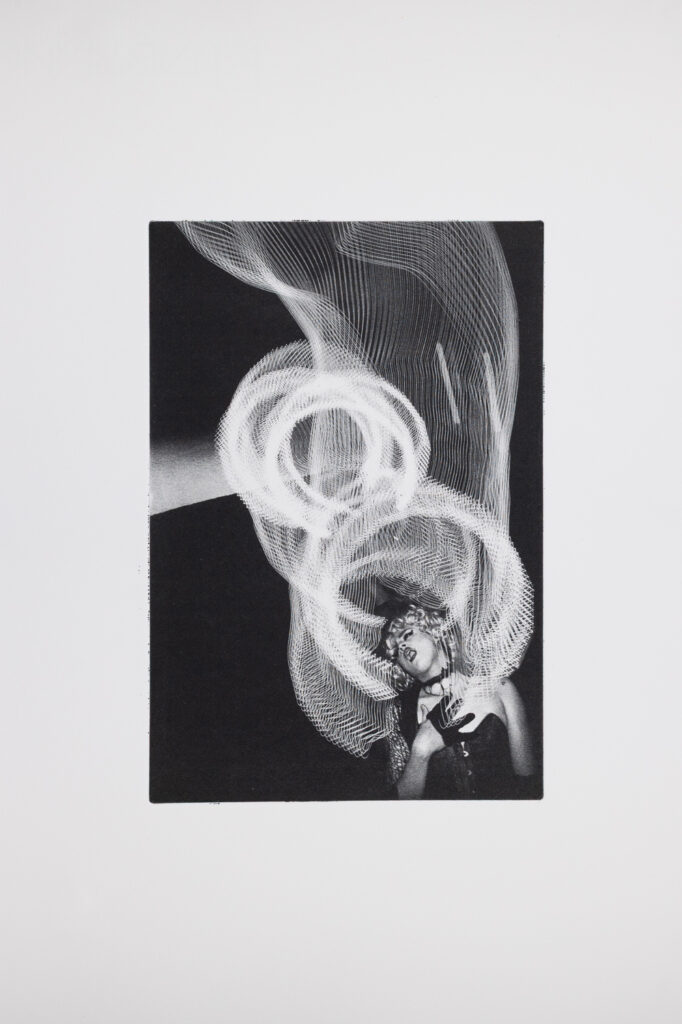
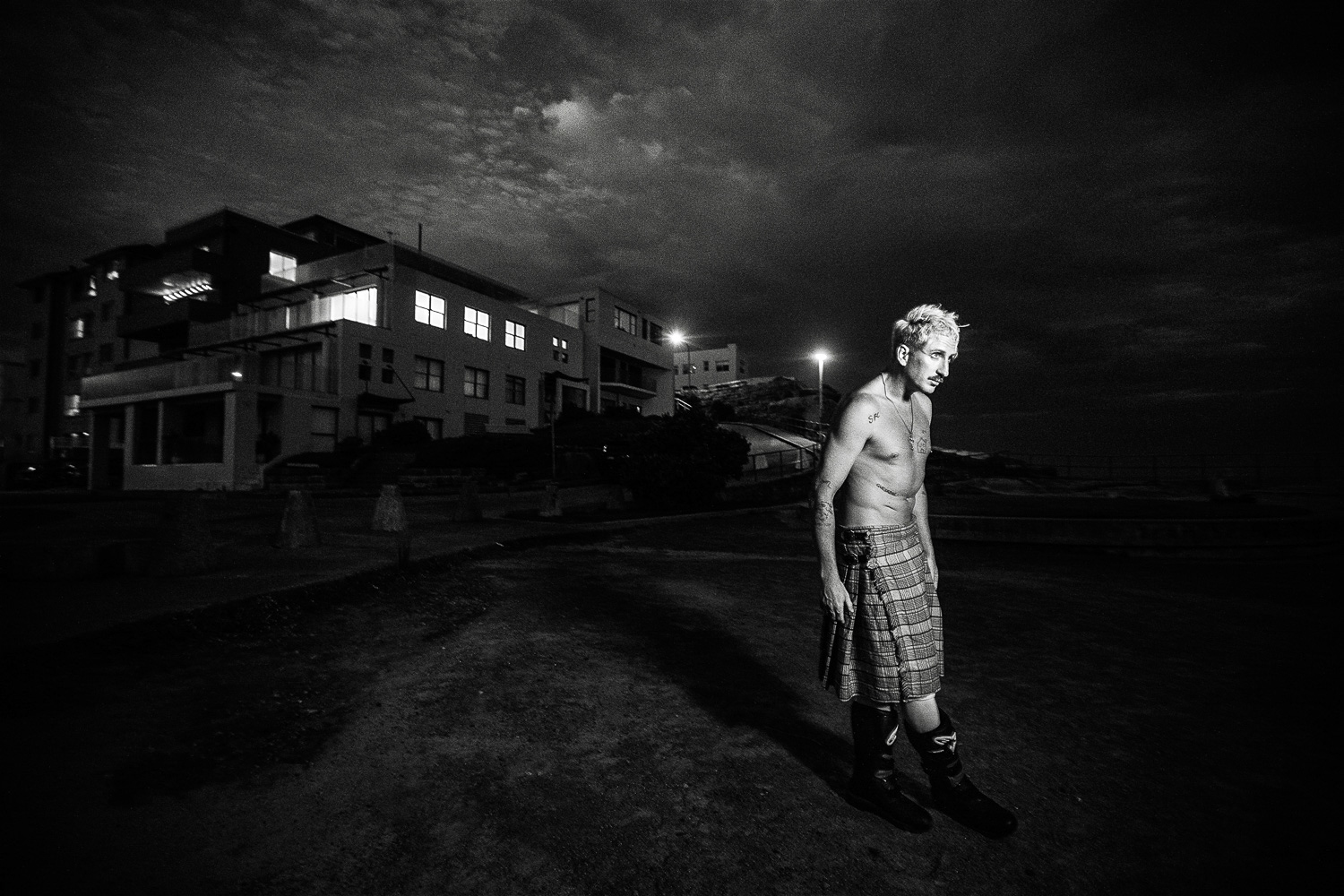
Into the night I had been doing a portrait shoot with musician and singer Kirin J. Callinan. We had wrapped up our shoot and then Kirin wandered away. The landscape was strange but stranger by night, brash 80’s/90's architecture, and neon street lights interrupt an ancient Gadigal, Bidiagal, and Birrabirragal land of weathered sandstone.

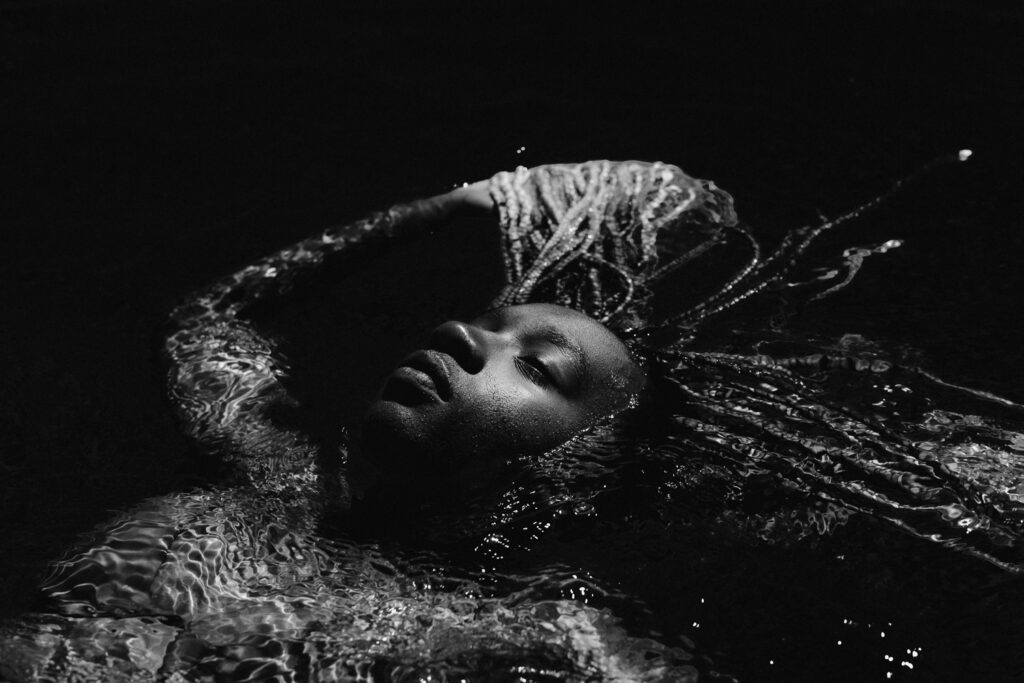
Joel Parkinson
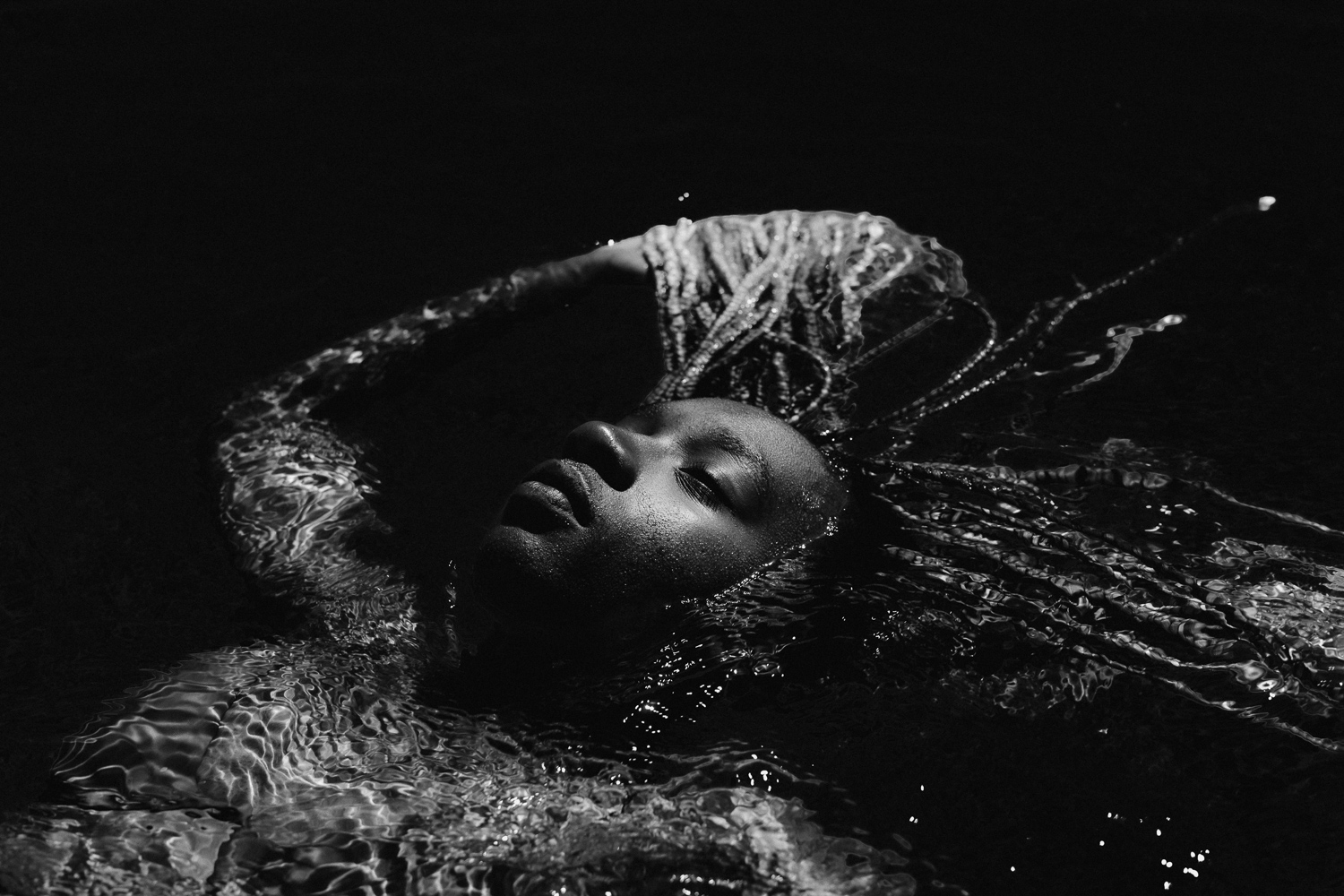
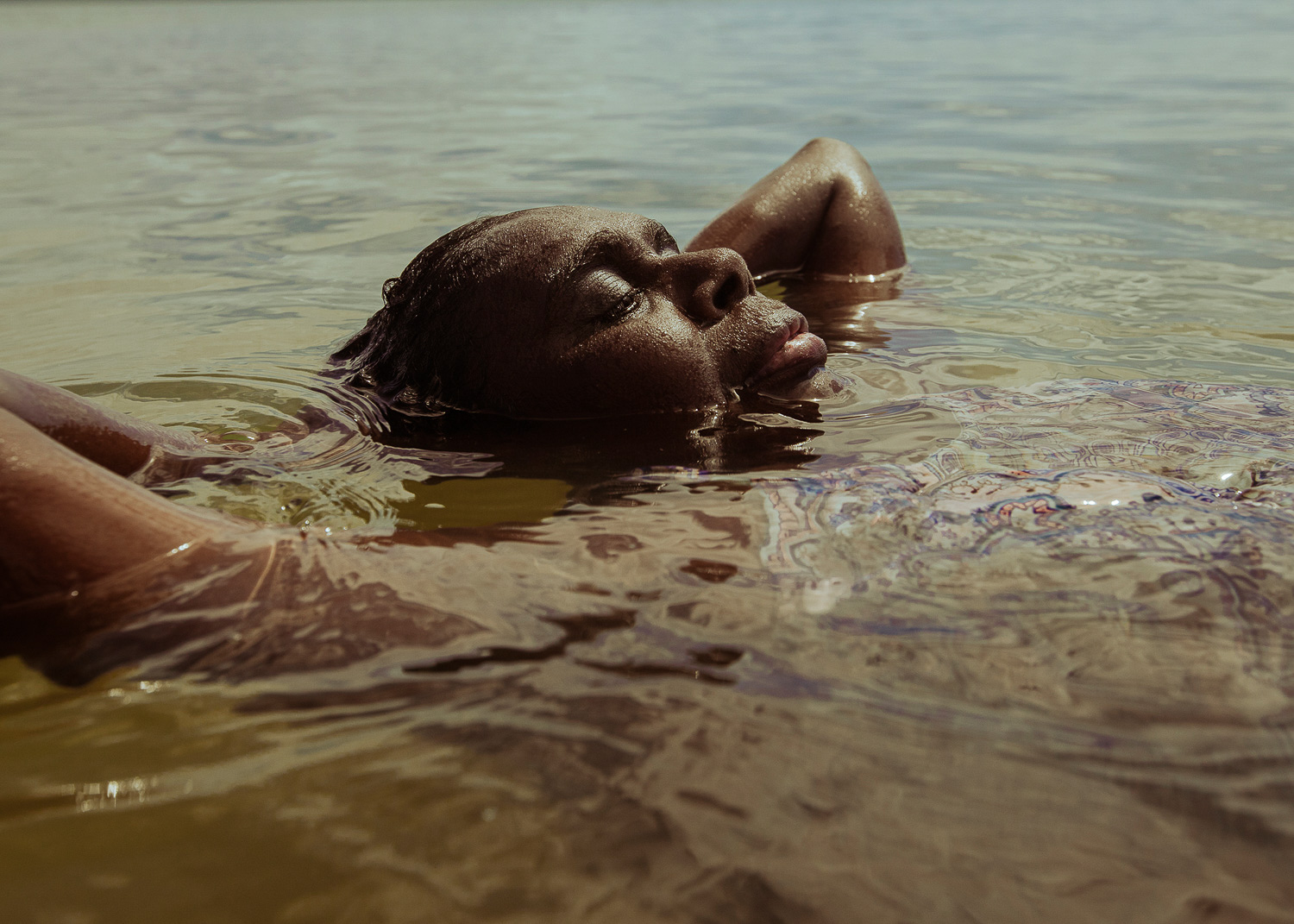
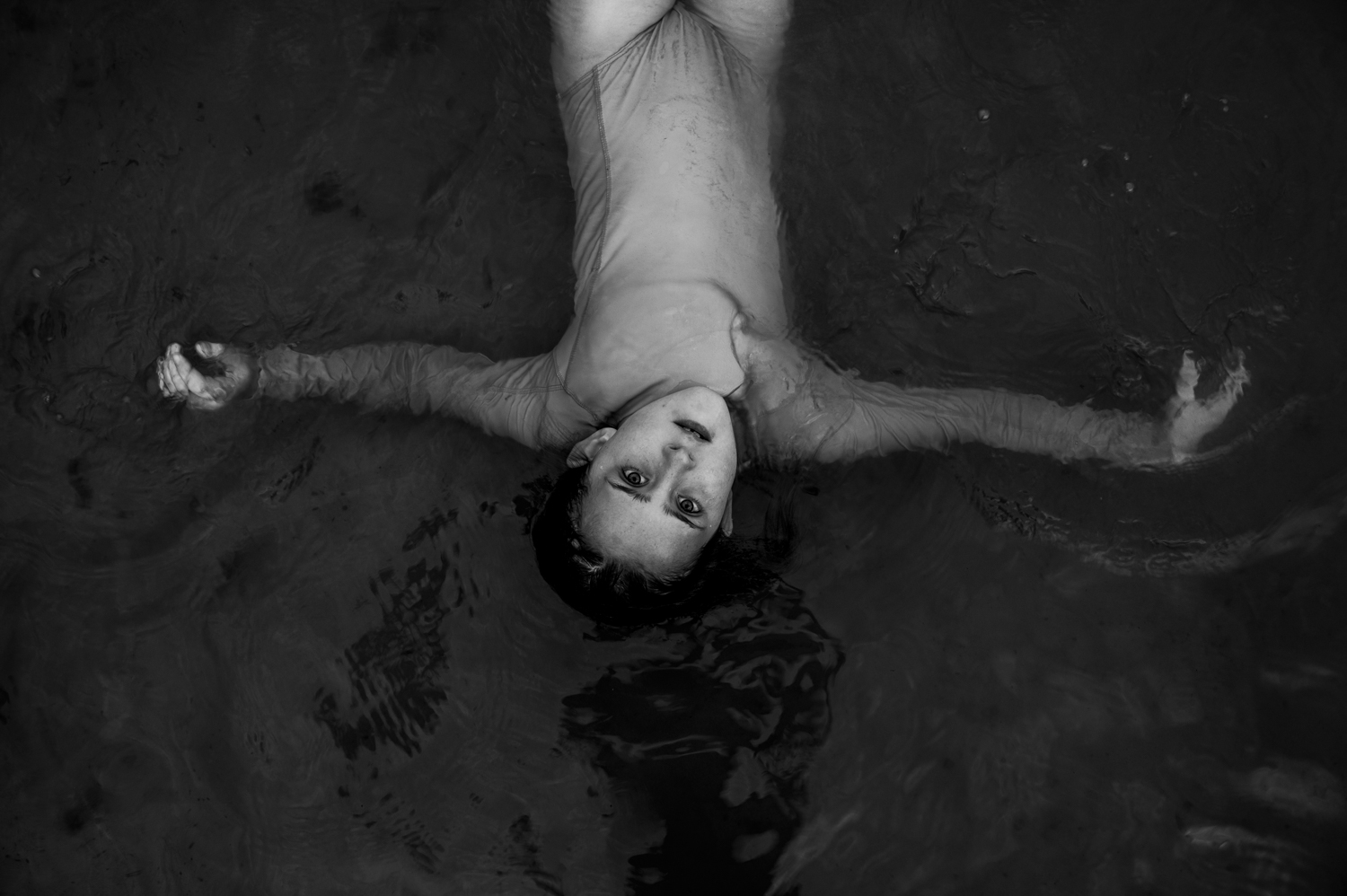
Star Created in collaboration with my close friend Star, this portrait draws on the Sky Woman creation story, a figure who falls through the sky into water's embrace in the stillness before the world begins. We photographed at the Disappearing Tarn on Kunanyi/Mount Wellington, a rare pool that forms only after heavy rain and drains away within days. In this fleeting body of water, Star drifts in shadow yet bathes in light, her body absorbing its glow as if returning to the first moment of becoming. Her braids extend like roots seeking ground, echoing both Sky Woman's search for land and the Tarn's own transient existence. Here, water becomes womb and cosmos, origin and vanishing point, a space where Star affirms her connection to the Sky Woman story she carried into this collaboration, claiming it as a beginning of strength, identity, and selfhood.

Jorge Serra
On Tungsten Some moments of my life are blurry, not because of memory loss, but because that's how they came to be. Through a phone, software, a video call, poor signal, broken connections; “can you please repeat? I lost you there”. Births, engagements. deaths, Almost as a reminder that what we were doing was never meant to be the way we communicate, we relate, we show our love; “I said I missed you too”. Some moments of my life are blurry, mostly because they now come between tears. Deep breath, chat, cry in solace.

Jorge Serra
On Bluets Can you imagine the violence of the information he was holding? The responsability and weight that comes with it? The concrete notion that his words, his exact words, his tone, his sentiment, his pauses, here clearing of his throat, the hesitation, will leave and indelible and permanent mark? I’m forever grateful to how gentle he was.


Karoliina Kase
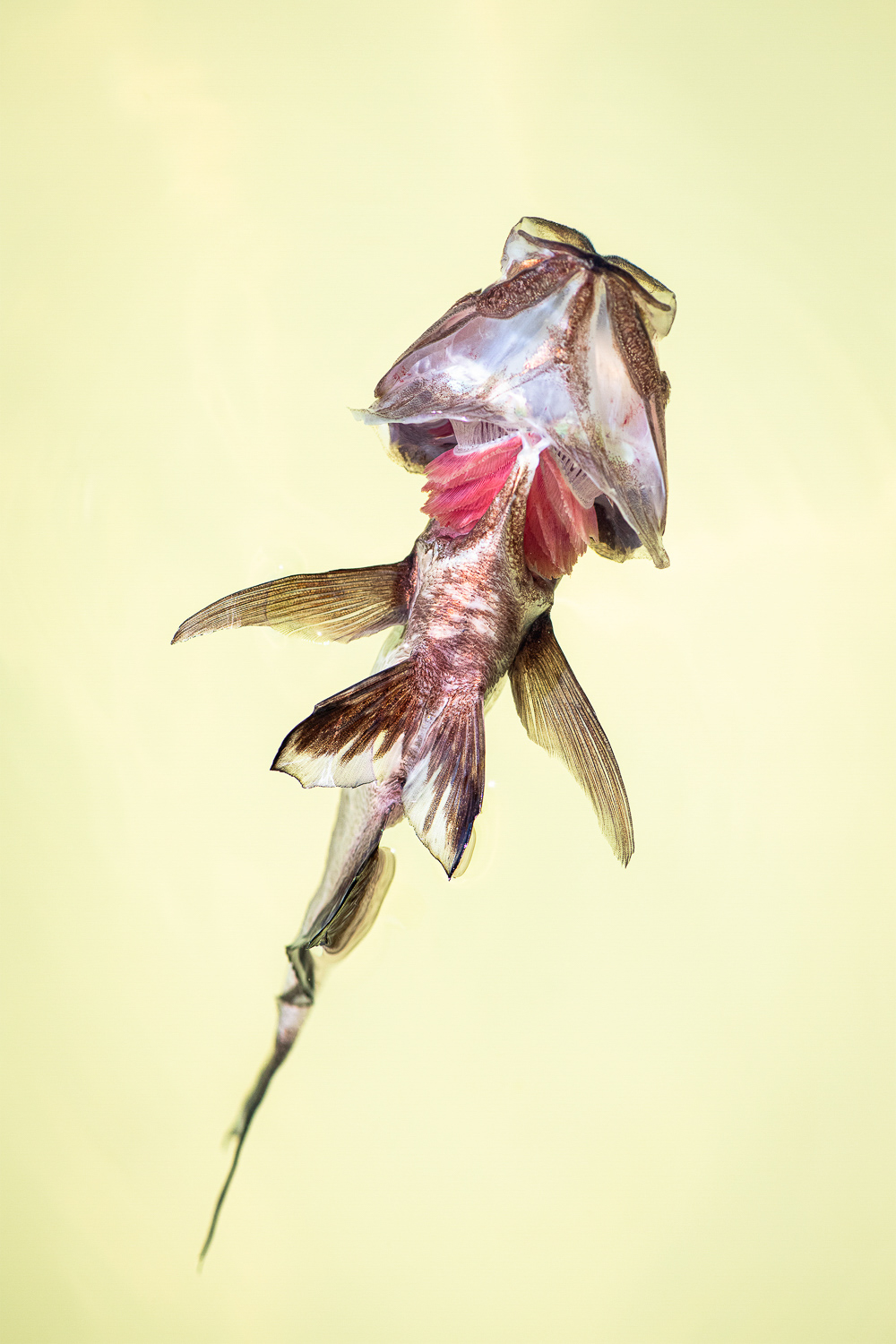
Rough Bullseye A dead fish is suspended in algal bloom waters along South Australia’s coastline, where a prolonged marine ecological event has affected large areas of the state’s shores. Linked to warming sea temperatures and nutrient runoff, the bloom has resulted in widespread marine mortality across numerous species. The work forms part of an ongoing series of intimate studies of dead and dying sea life encountered along affected coastlines, shifting attention toward individual animals that are often overlooked in broader environmental narratives.

Katelyn-Jane Dunn
Mother In 2019, my mother died at fifty-five. In the wake of her death, I pored over family albums, handwritten recipes, scrap paper, and keepsakes, assembling her from what remained. I returned to places of personal significance, including the farm in Bundaberg where she grew up and is now buried. Somewhere between the deep red soil, family archives, and my own genetic inheritance, I search for the woman I never fully got to know.

Kayanii Holden
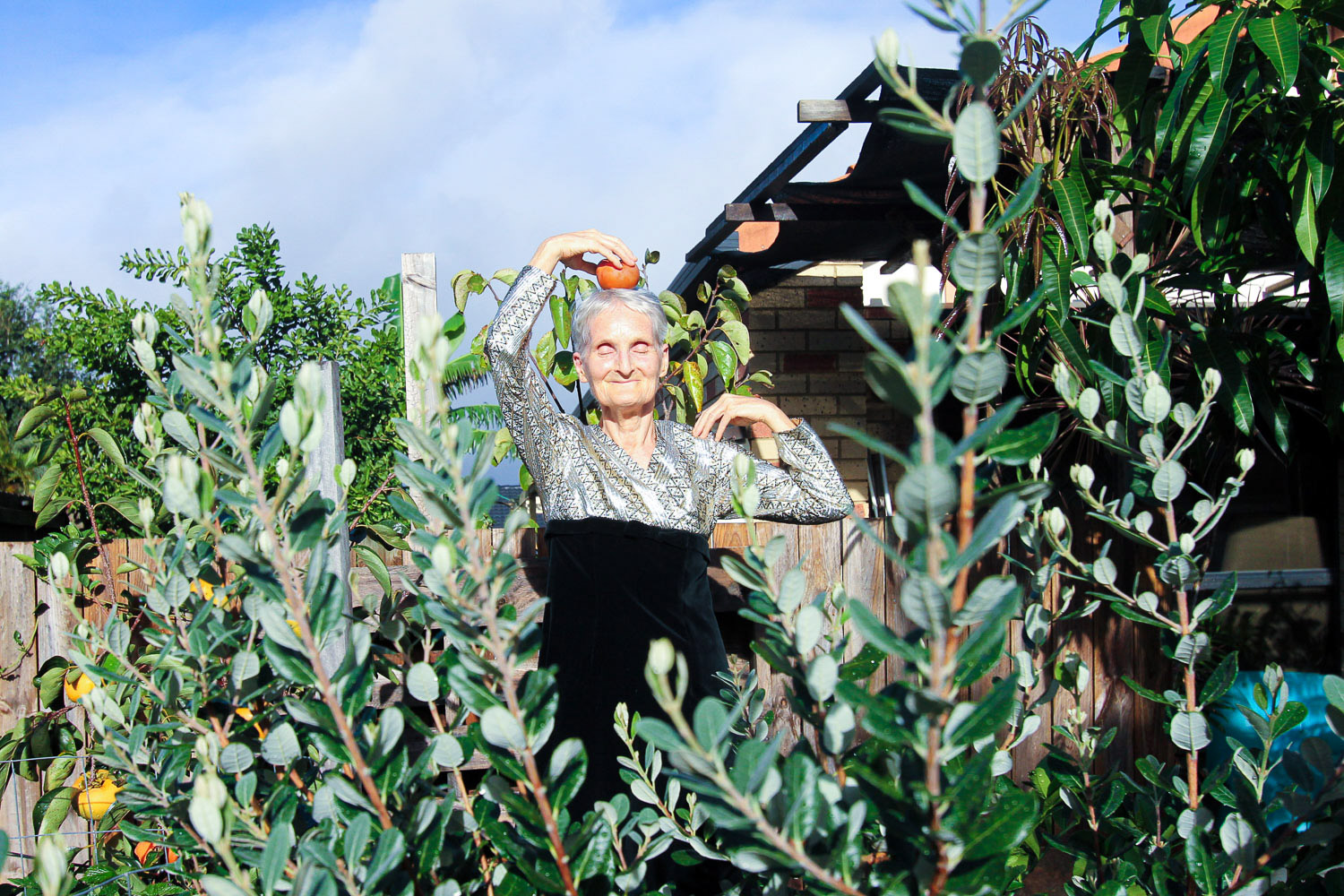
Mum And The Persimmon I photographed mum in her garden where she spends much of her time. We connect through the act of sharing plants and gardening knowledge. Over the years mum has gifted me cuttings of red dragon fruits, (which I have eaten year-round) banana suckers, scented cardamon, and vanilla ice cream bananas which are a lovely blue colour! Both my mum and my grandmother Pearl, gardened together too, I have fond memories of them carting buckets of sand, seaweed and kelp up from the beach through a winding very steep pathway, made up of shells, and sand and dirt, which meandered up a cliff face, that led to my grandparents garden, which overlooked the sea. She (my grandmother) managed to wrangle the whole family to help her.


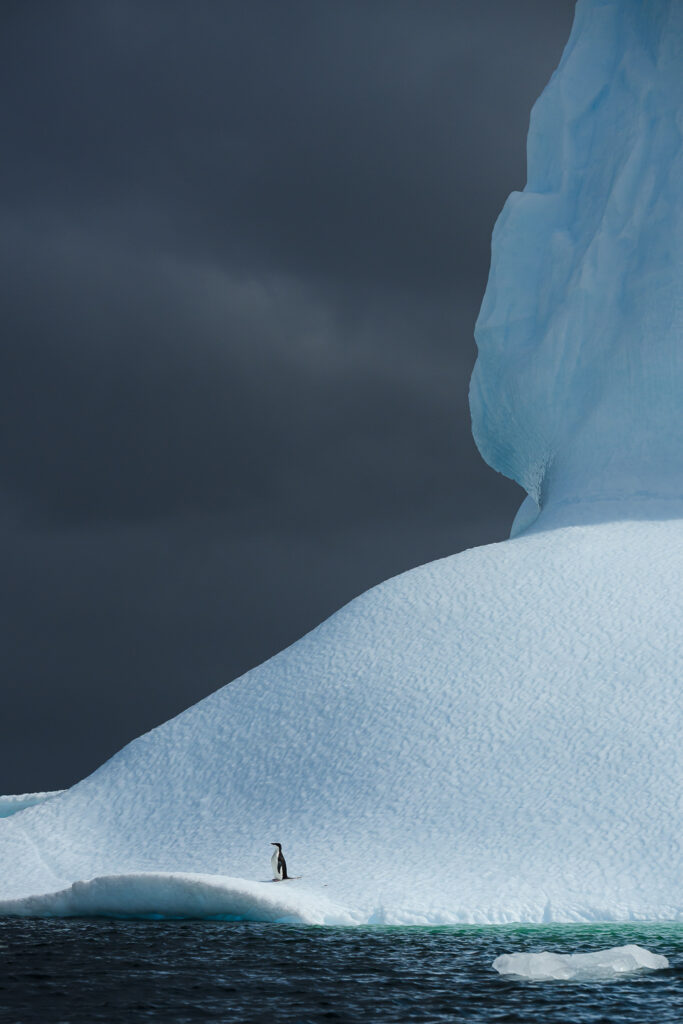
Lea Kannar-Lichtenberger
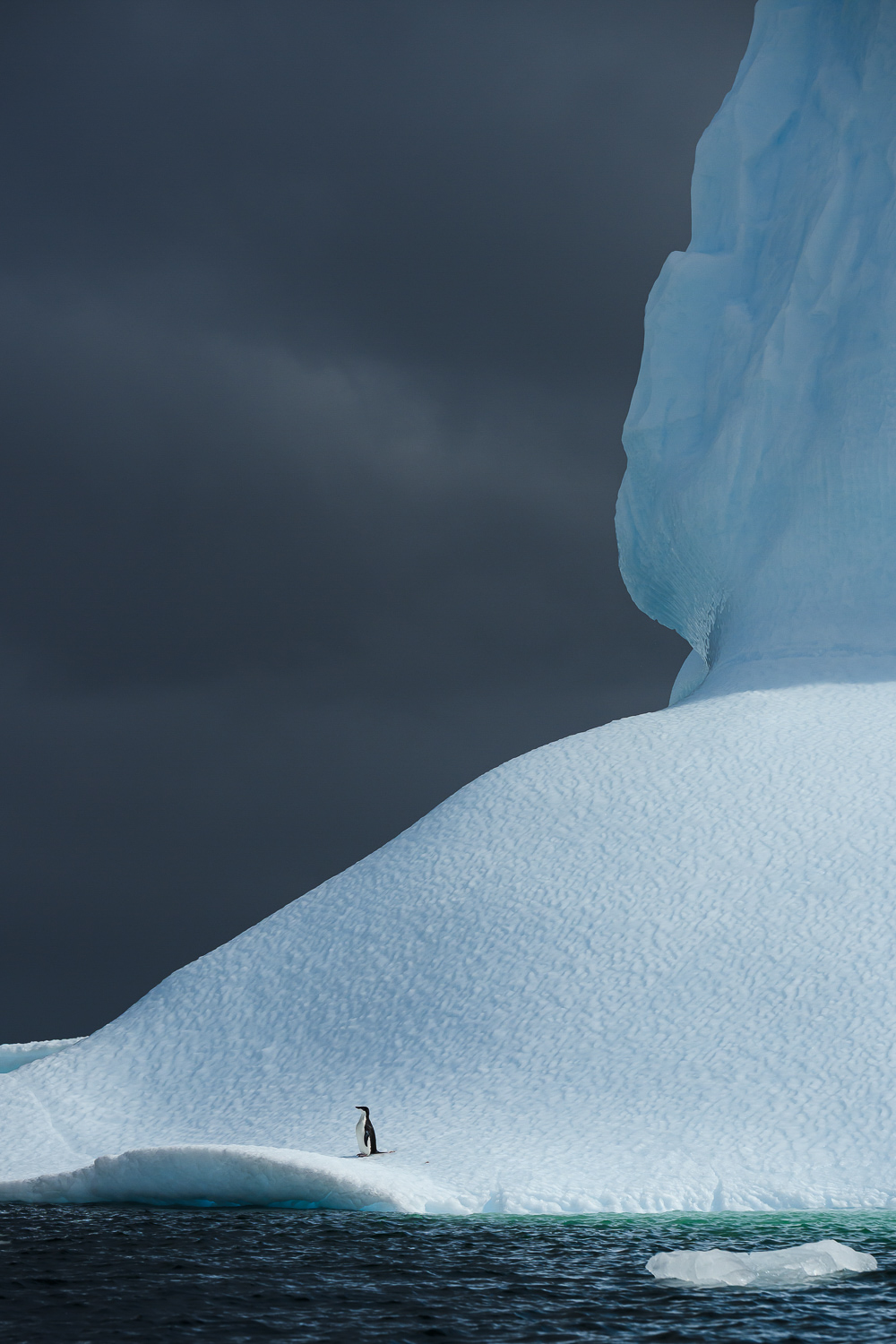
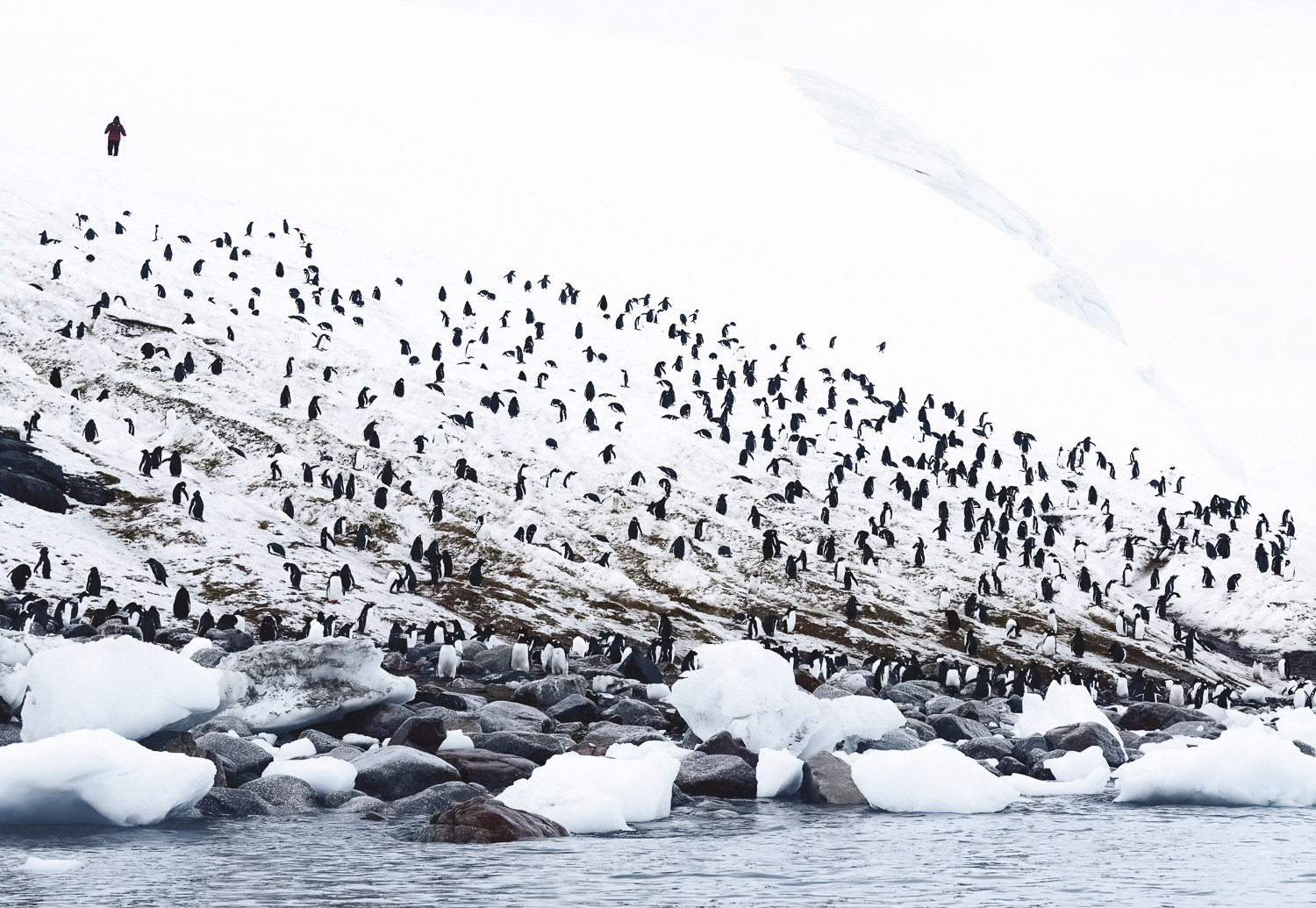
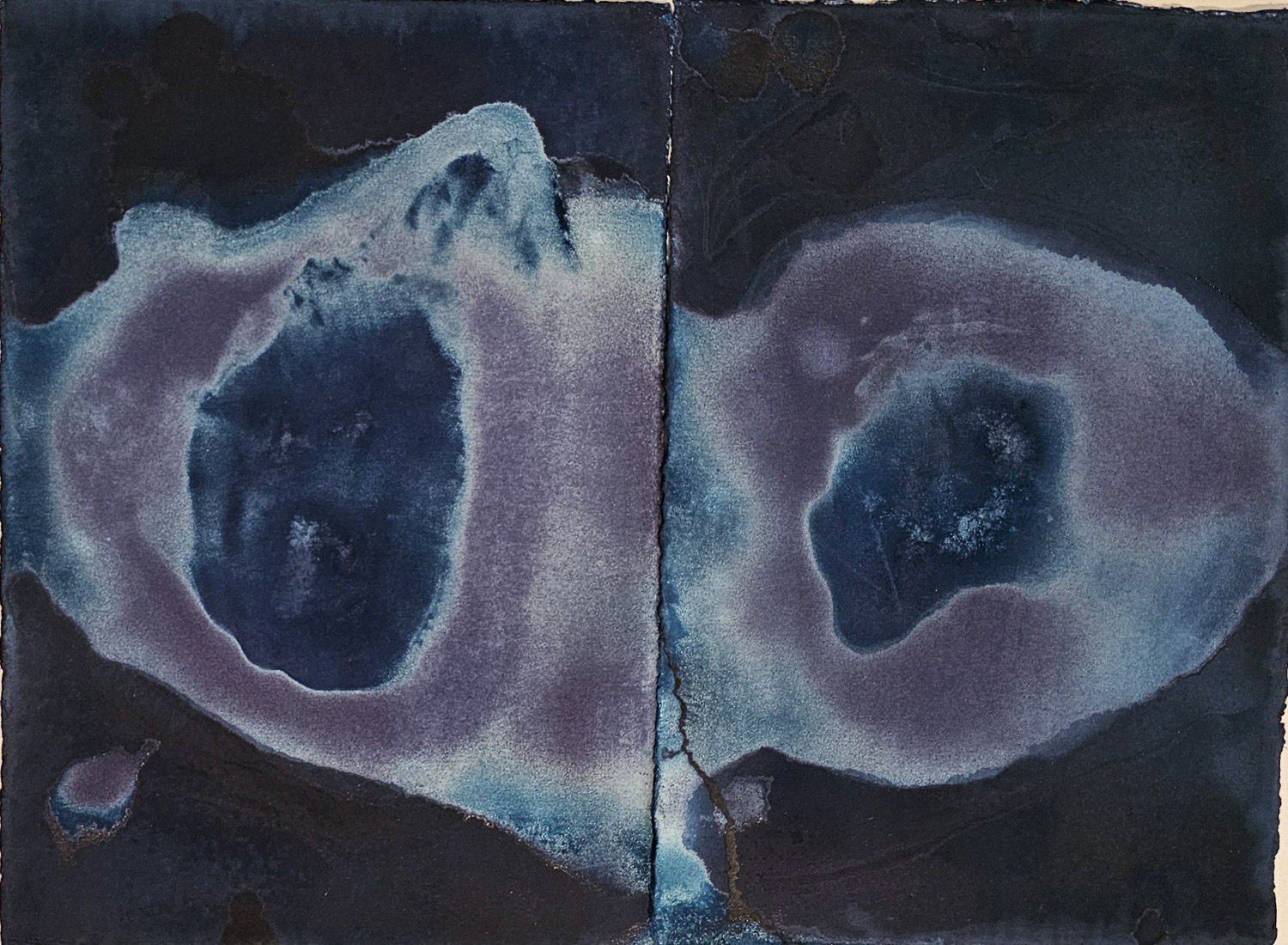
Final Moments II Antarctica This continuing series of cyanotypes is an exploration of ice and the sanctuary it creates. Antarctica, a haven for penguins, seals, whales and birdlife, is melting at an unprecedented rate. Glaciers that formed over millennia are fast becoming rivers of fresh water. As this ice inundates the oceans with its meltwater, little is left to shape the memory of this loss. Glaciers are monuments to deep time. Through cyanotypes, I examine the memory of broken glacier fragments from Antarctica, capturing not just what we see but the story each glacier has collected over time. This extended sun exposure method of printing has allowed ice shapes and water to embed their collective history into the paper.

Leo Farrell
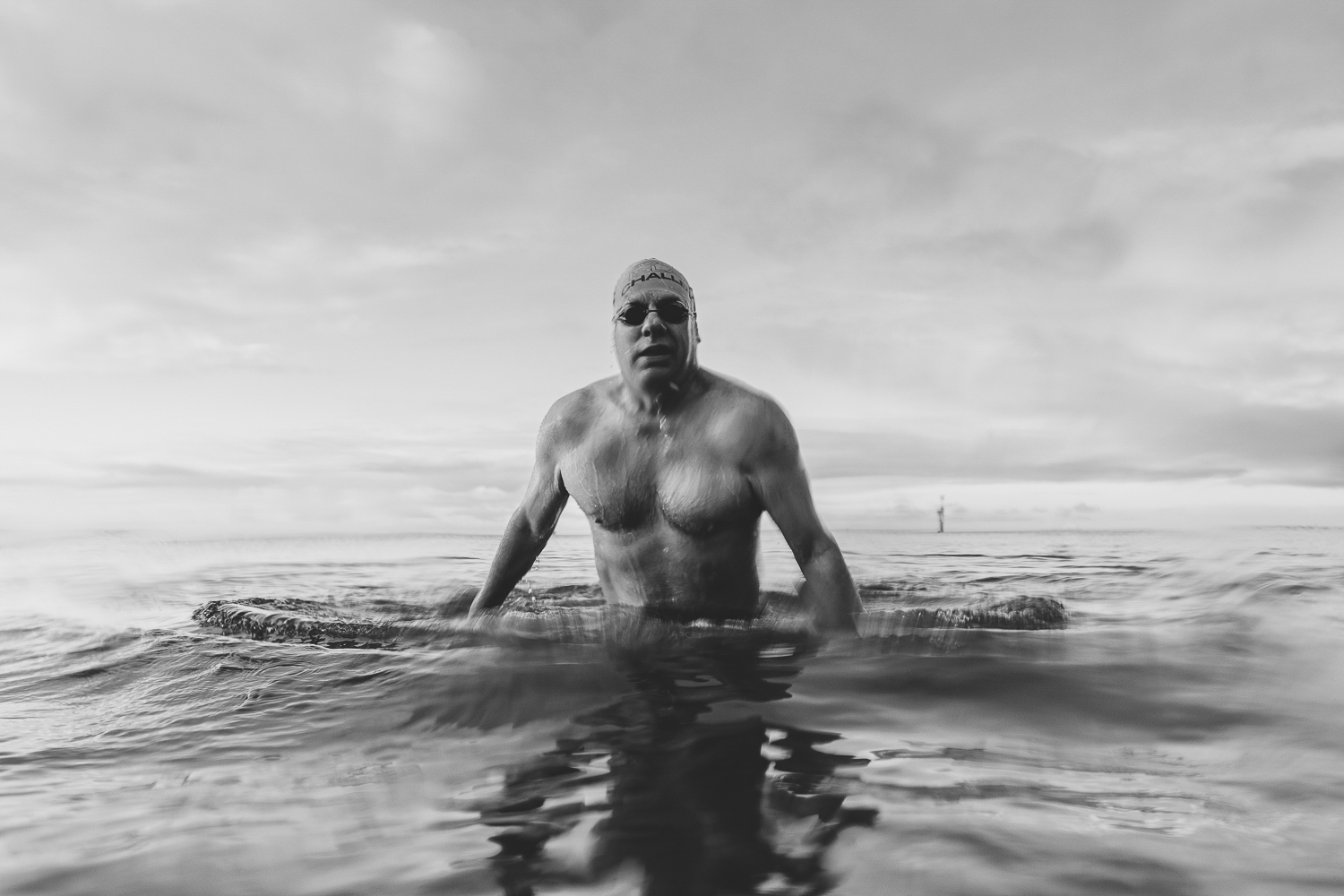
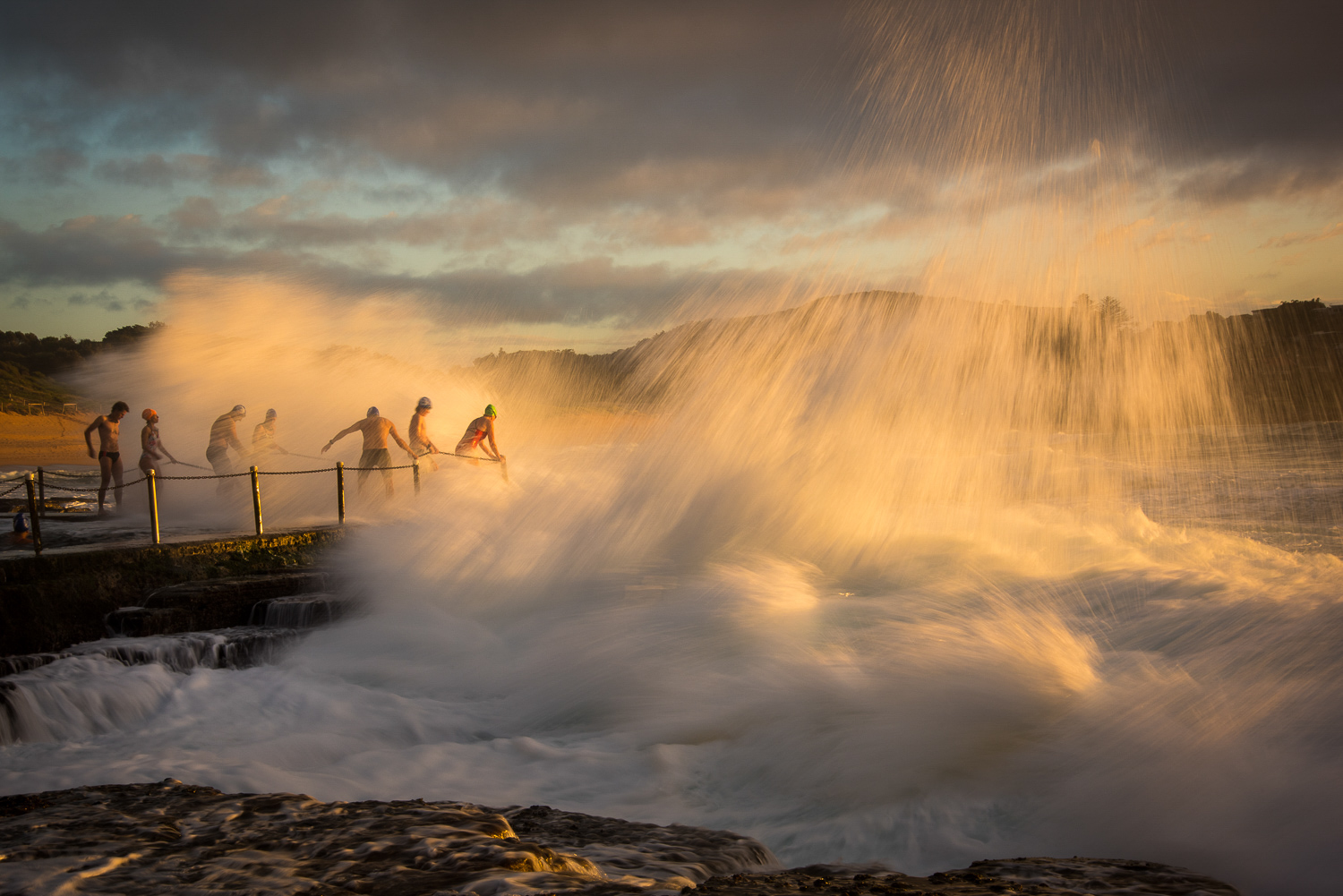
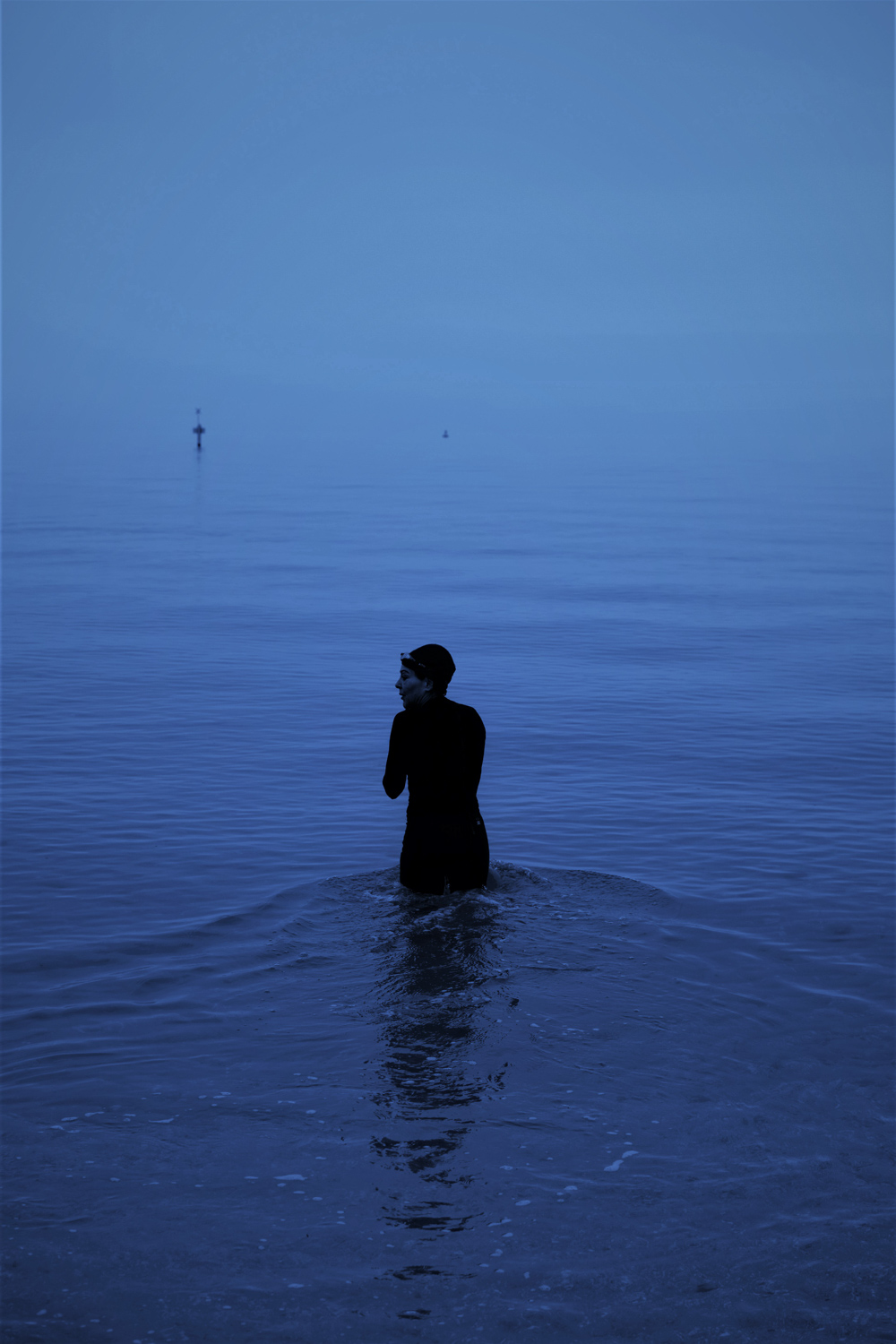
Top 5 Every group needs an Anthony Ferguson to motivate the non-believers. An inaugural member of the Brunswick Belugas and driving force behind a weekly swim at Williamstown. Rain, hail, or shine he preaches about the lovely conditions that await the weekly swimmers, and every swim is a possible top 5 swim in the club's history....

Leo Farrell
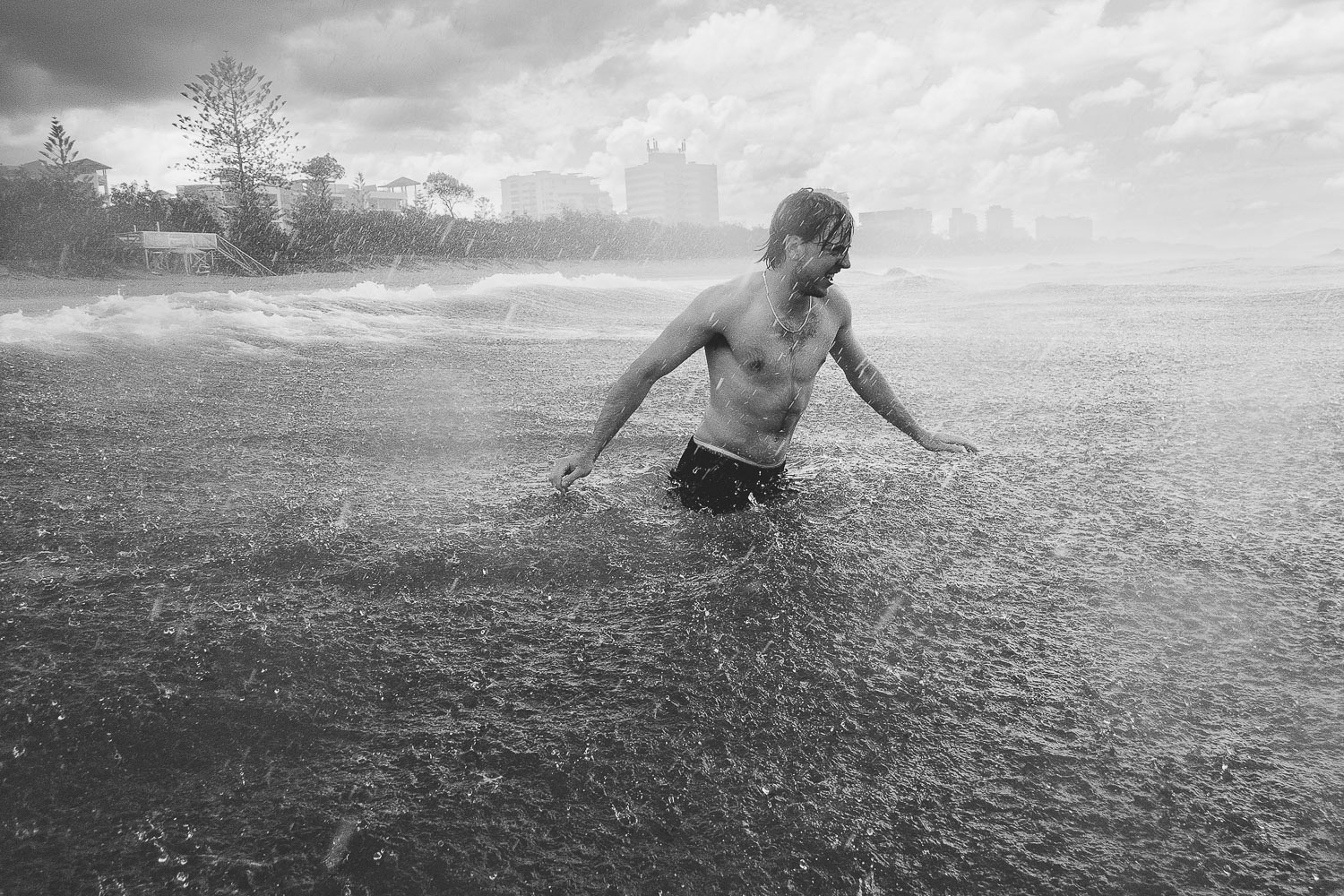
Christmas Day My son and I were visiting my sister on Christmas Day in the 'Sunshine Coast' when the tropical downpour started. He didn't resist the weather, but rather walked into it. No distractions, no technology, just a person and the natural elements, fully present and within the moment.

Lisa Murray
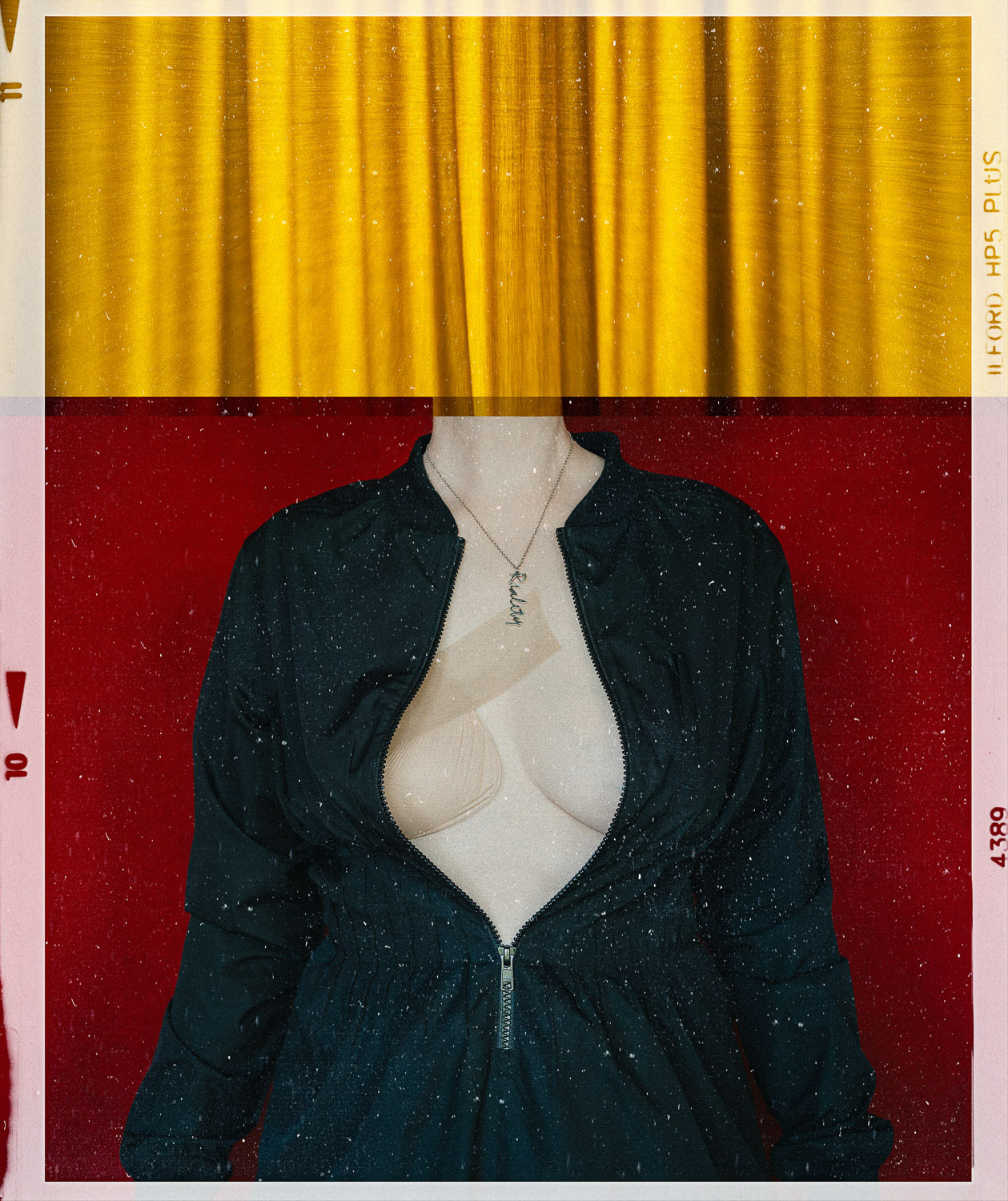
Reality How quickly I fall beneath the baseline. Entangled Depleted Absent. Medications to lift me up, to remind my heart to keep beating, to reduce the risk of cancer returning, to block the migraines, to soften the body and sharpen the mind. It’s an exhausting, never-ending cycle, trying to get back to base. Assembling this work from snippets of digital, analogue, new and archival images - interlacing them with scanned objects and inscribing them with binary notation: 1 for ‘ON’ and 0 for ‘OFF’ that mirror how digital systems encode presence and absence - has felt like a delicate balancing act, like the juggling of medication.


Madeleine Waller
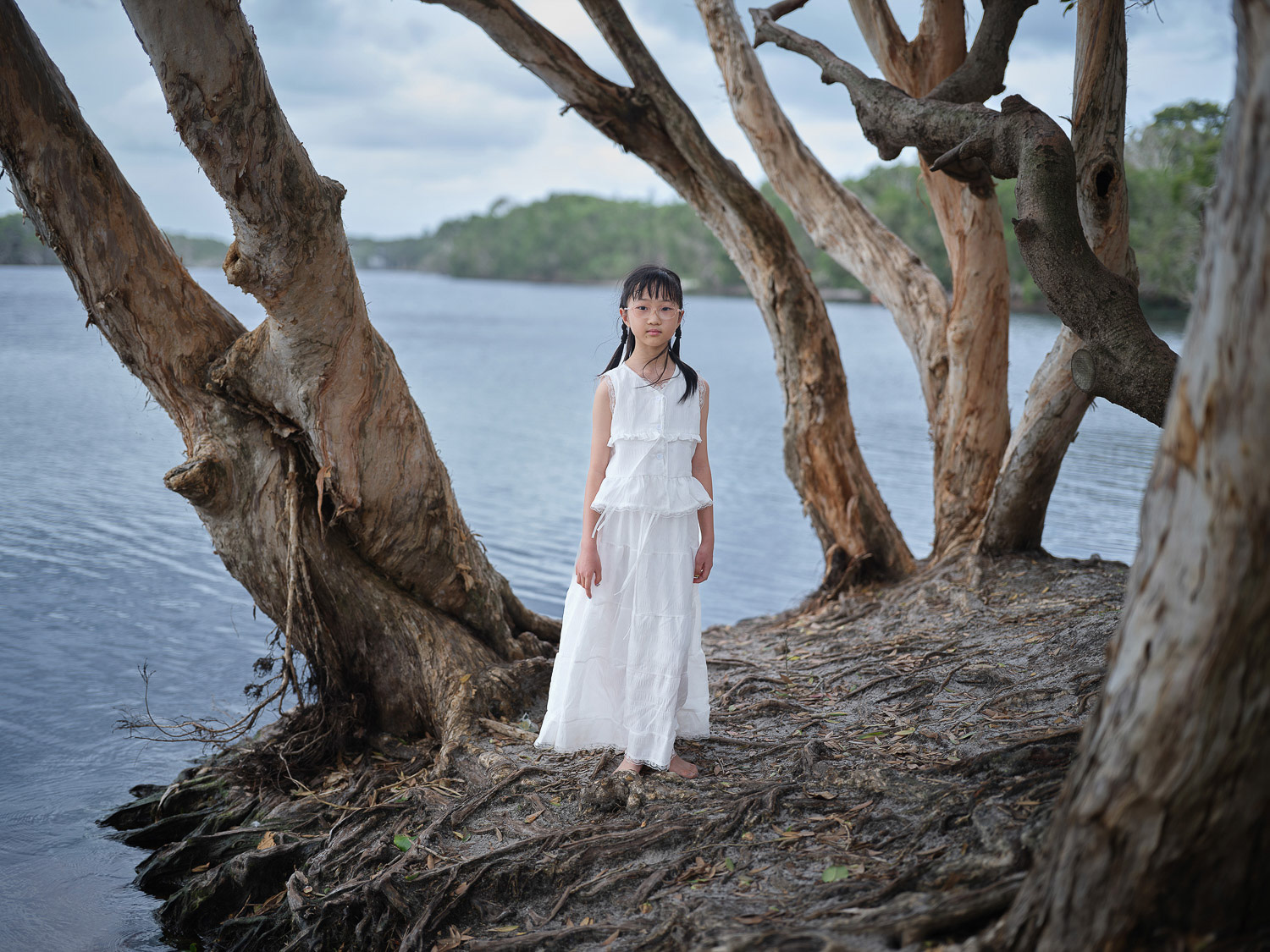
By the Lake Wenhan Lou is from Beijing, China, she is 9 years old and on a family road trip from Sydney to Melbourne. They had just visited the lighthouse and decided to take a rest by the lake. Since 2022, I have returned annually to my small hometown on the North Coast of New South Wales. The series is built through simple exchanges. I approached people I encountered, locals, tourists and people passing through—and asked if I could take their portrait. Though asking strangers is never easy, most responded with openness. These photographs reflect those brief meetings: moments of curiosity, set within a landscape that is both familiar and emotionally complex for me. Together, the portraits form an exploration of belonging, memory and the shifting relationship between a person and the place they once called home.


Matt Palmer
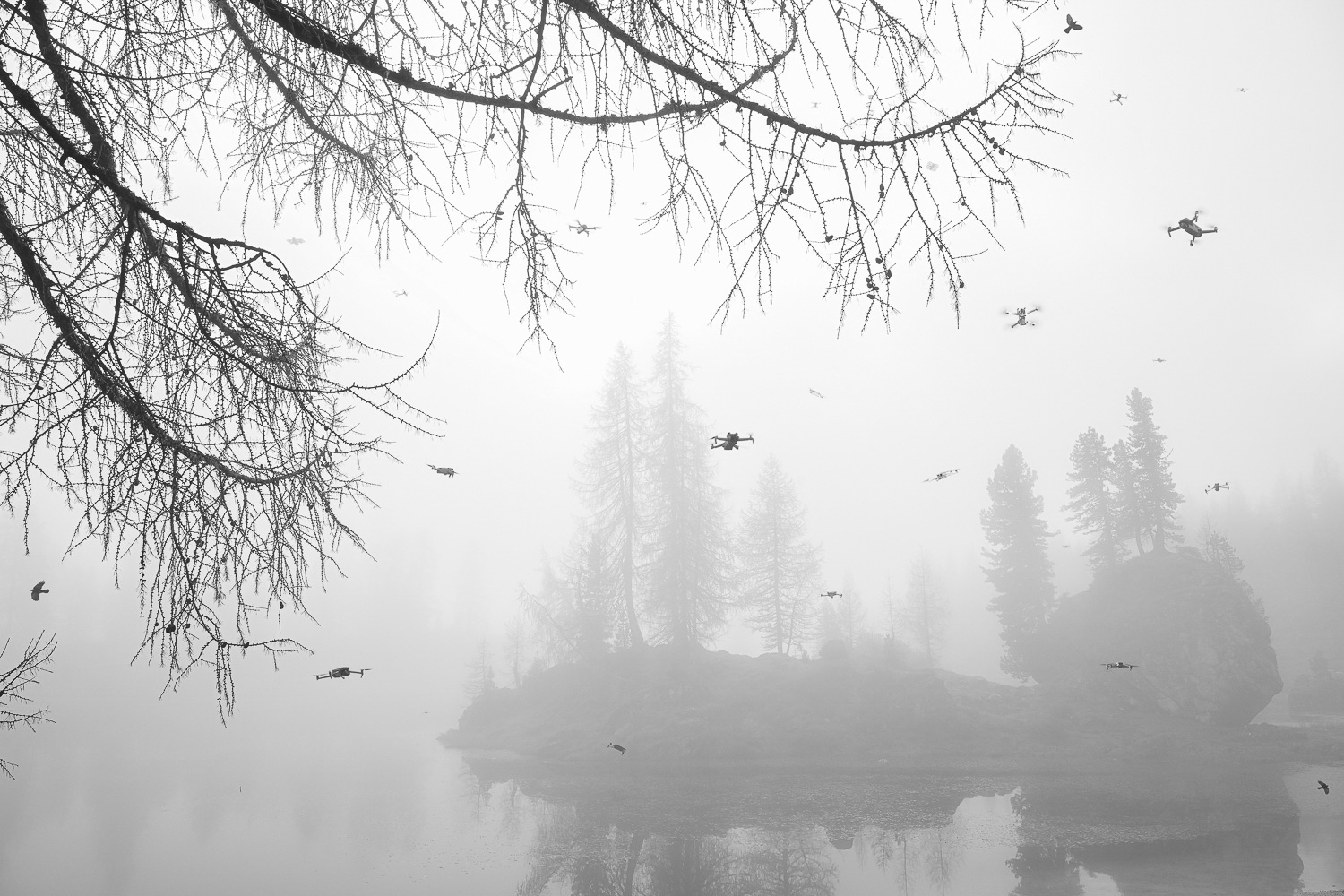
Dolo-drones The noise of a drone is never too far away in the popular Italian Dolomites, even when areas forbid them. Drones are particularly damaging to the natural order with wrecked drones releasing their battery chemicals into waterways and flying drones altering natural animal behaviour.

Matt Ramsay
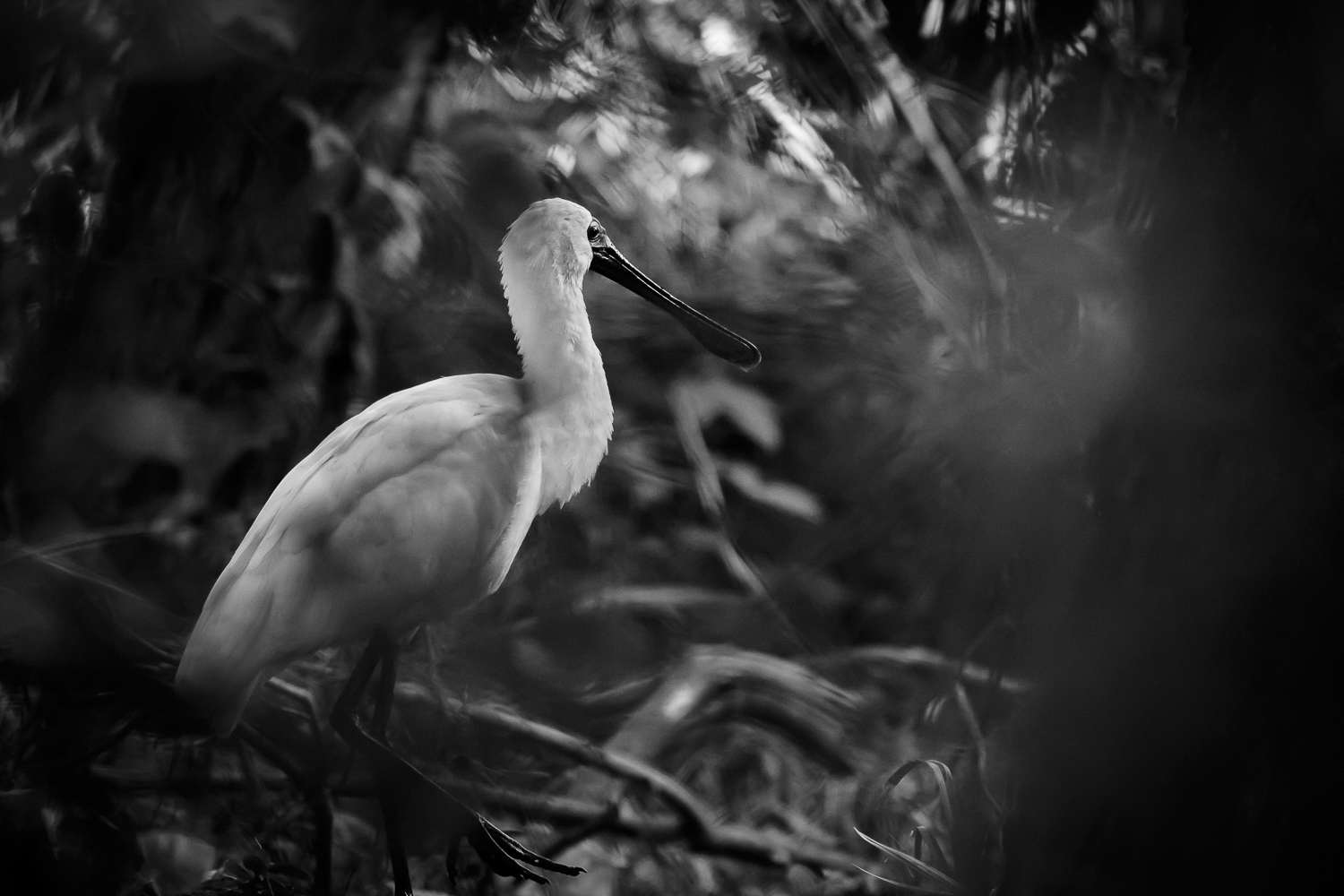
Royalty in the wetlands A Royal Spoonbill elegantly stalks through the undergrowth between ponds in a wetland in Sydney's south. The light creeps through cracks in the tree's foliage, illuminating the brilliant white feathers, contrasting against the shadows of tangled vegetation. Swamp grasses, shrubs and dense trees create and support this habitat that these enchanting birds call home.

Melissa Drummond
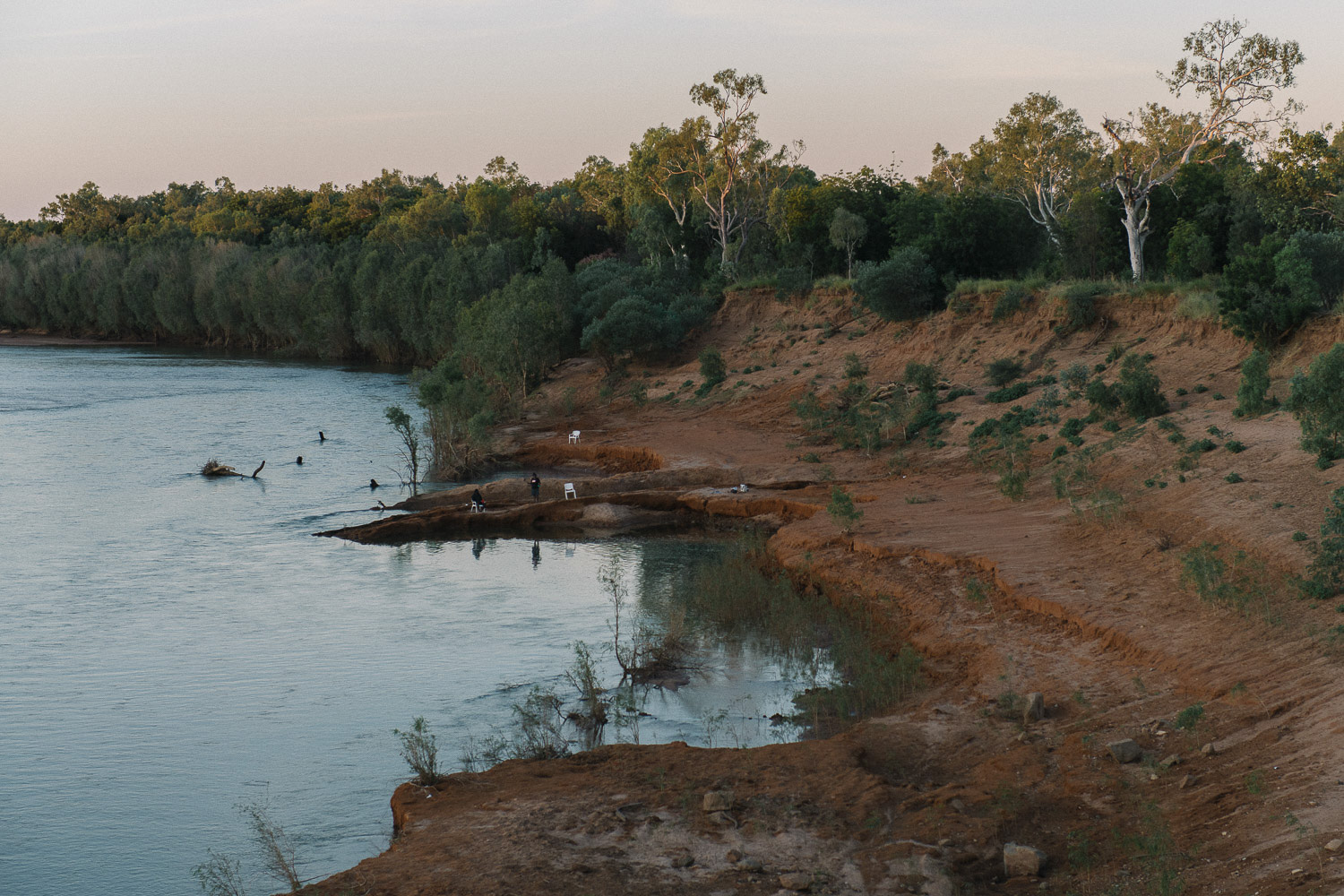
Fishing On The Martuwarra (2026) Late one afternoon at the beginning of the dry season, two people fish on the banks of the Martuwarra Fitzroy River in the West Kimberley. Martuwarra stretches 700-odd kilometres from the Wunaamin Miliwundi Ranges to King Sound near Derby and is a National Heritage-listed, free-flowing river. This photograph was made near Fitzroy Crossing as water levels receded and the region transitioned to the dry season.

Mert Berdilek
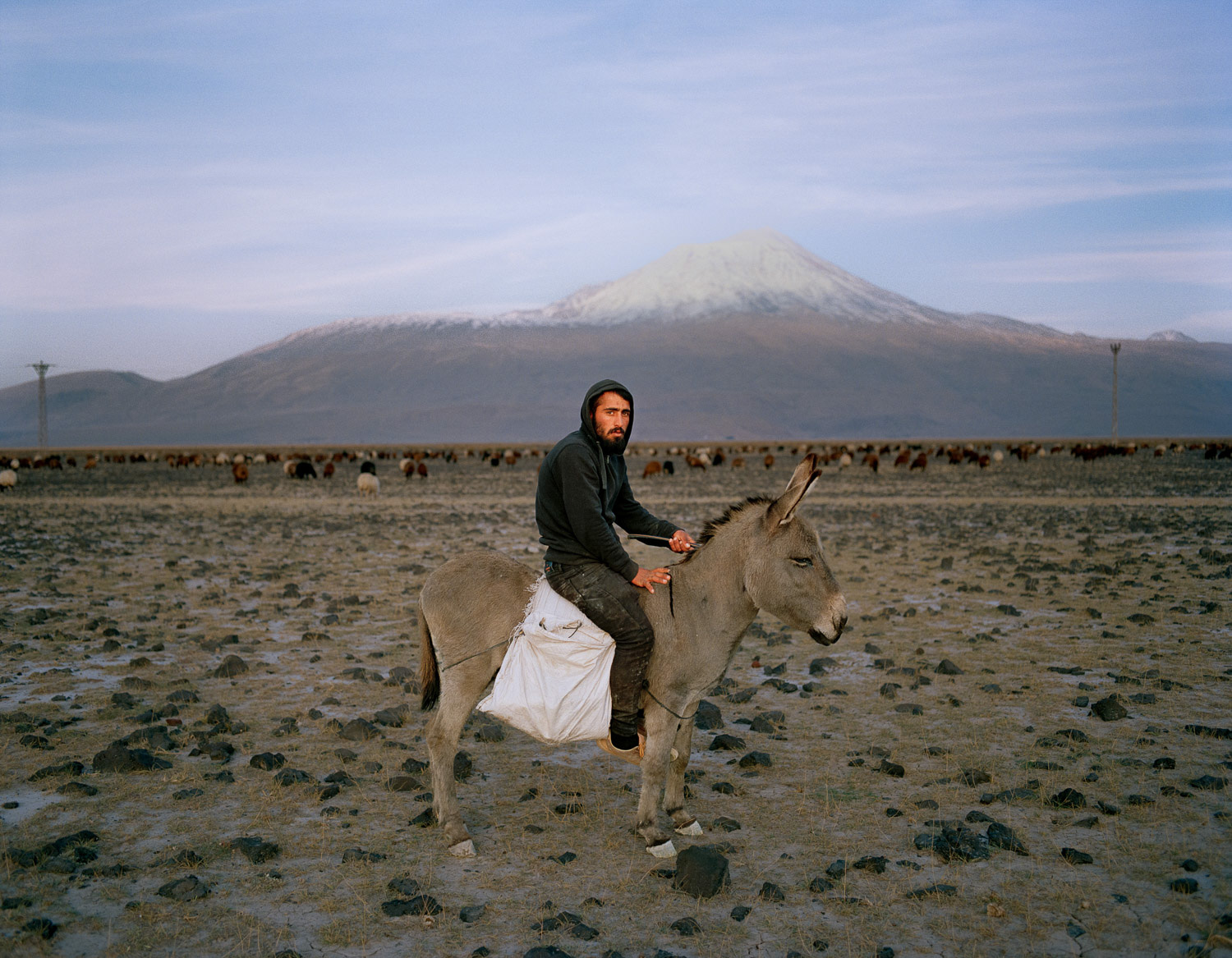
My Only Friend It was twilight, I was driving down a remote road from Doğubeyazıt to Iğdır, in far-eastern Turkey. Next to me, the snow-capped Ağrı Dağ / Mount Ararat. It is said that the mountain is the final resting place of Noah’s Ark, and the rebirth point of civilisation. At the foot of the mountain, a lone shepherd and his donkey, accompanied by hundreds if not thousands of sheep caught my eye. So I stopped on the side of the road and began walking to this speck of a figure. He was surprised to see me, he told me I was the first person he had seen in a few days. “How old are you?” “Eighteen, abi” - this took me by surprise. I focused on the donkey. “What’s his name?” there was a pause. “He doesn’t have a name.” I looked at the donkey again, noticing dried tears on the fur surrounding the eyes. “How old is he?” “He’s 9 years old” “You’ve been together for 9 years?” “Yes” “But he doesn’t have a name?” he shook his head. There was a long pause, I finally asked “Is he your friend?”. He took a moment to reply. When he finally did, his voice dropped, and he muttered almost under his breath “He’s my only friend”. Those words cut right through me. “Shouldn’t he have a name then?” “Yes.. he should” “Let’s name him then”. After some back and forth of who should name him, he insisted for me to name his donkey. My mind immediately went to my childhood pet dog, who we had lost and I still think about. When leaving, I heard him calling his only friend, by his new name while riding together toward the distant sheep. I had unshed tears in my eyes not knowing why I felt the way I did, but I was moved in a way I couldn’t really explain. I recounted this story to a close friend, in which he said “You know, your interaction probably changed his life”. I never thought of that, I don’t know if it changed his life but I know it definitely changed mine. It crystallised to me why we do what we do

Miyarrka Media
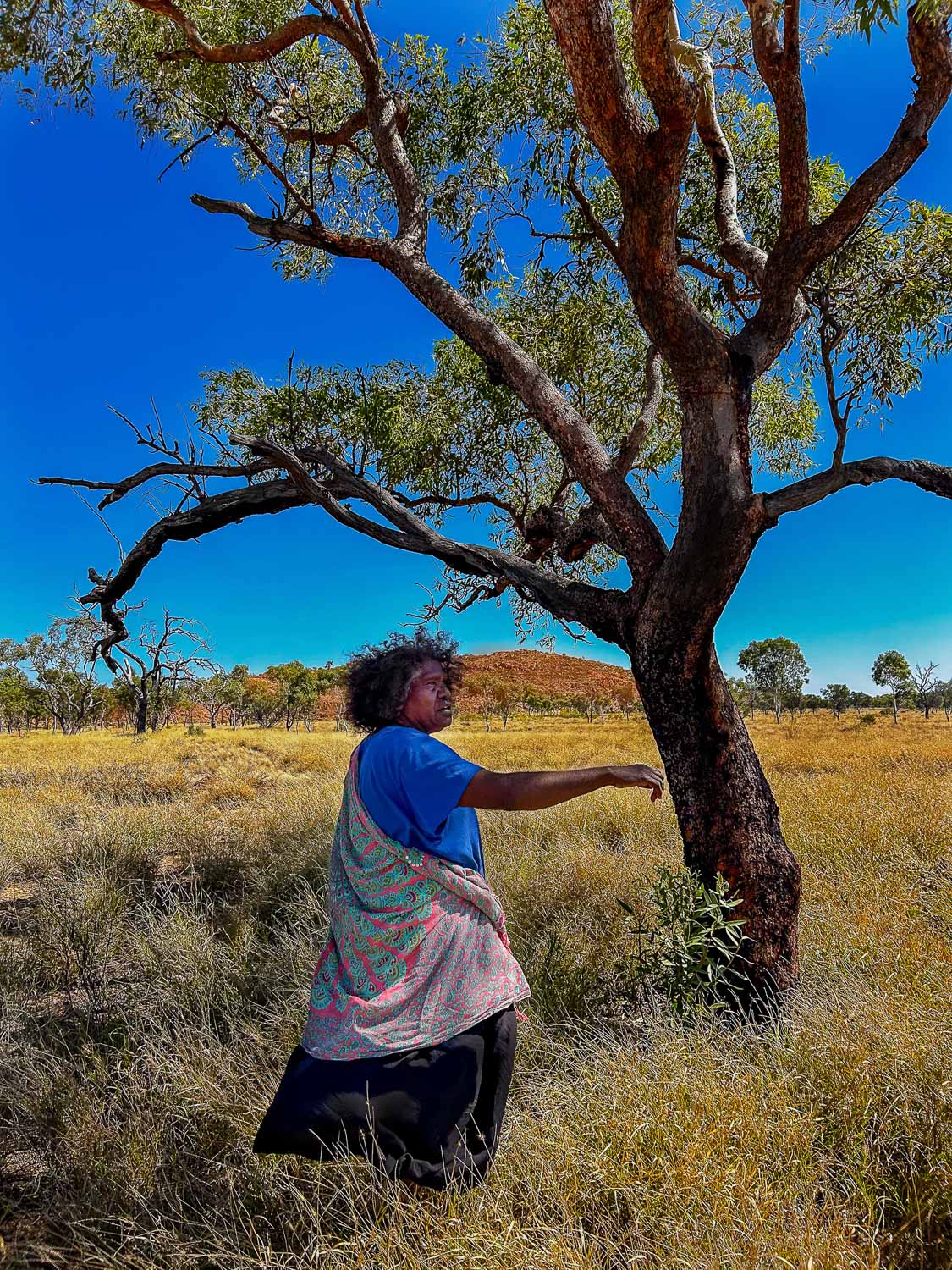
We Bring Our Djäl Together This image comes from Miyarrka Media’s Yolŋu-led co-creative practice with Sea Country at Yalakun. When djäl rises up, you really want something. You need it. It’s a force that draws one life toward another. Country has djäl. Yolŋu have djäl. Gapu has djäl. Here, Enid Gurunulmiwuy brings her djäl together with gapu, the saltwater she calls sister. Victoria Baskin Coffey wades with her as waku, daughter, camera in hand. From the beach, Enid’s father, senior custodian for this homeland, looks on, drinking tea. This is shared photography. Not a singular artist making an image. A moment where many forces come together. The photograph happens through relationship. It reaches beyond the frame, beyond what the camera can show. For Yolŋu, photography can bring the old people closer. It can bring wäŋa, the land itself, closer. Djäl becomes wangany. Everything is connected. Everything is held.

Natalie Finney
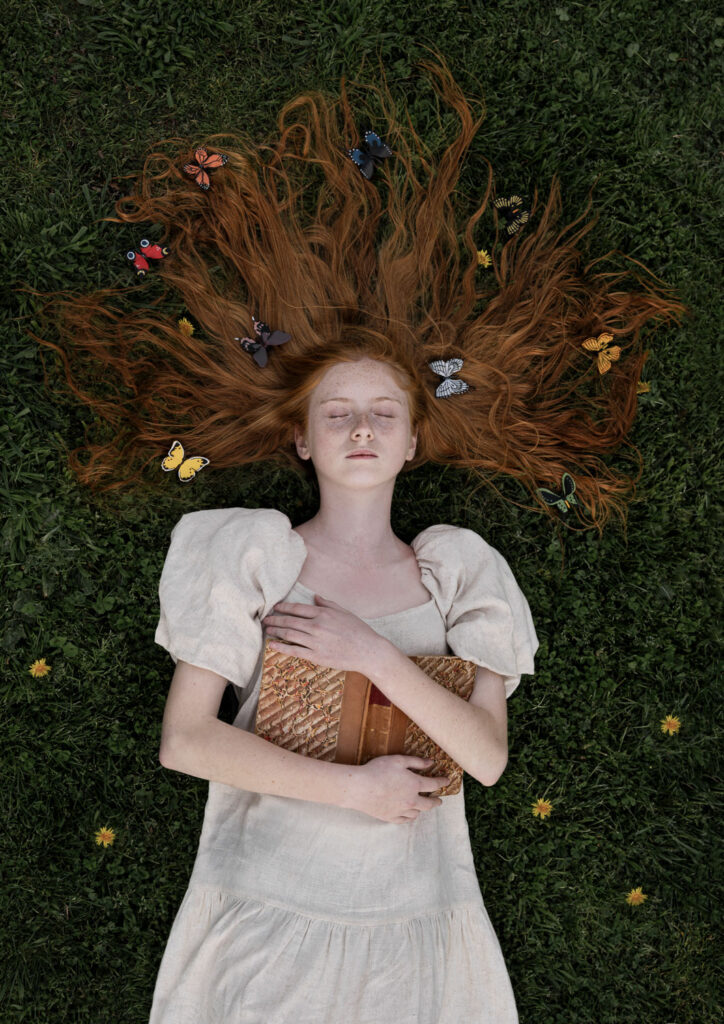
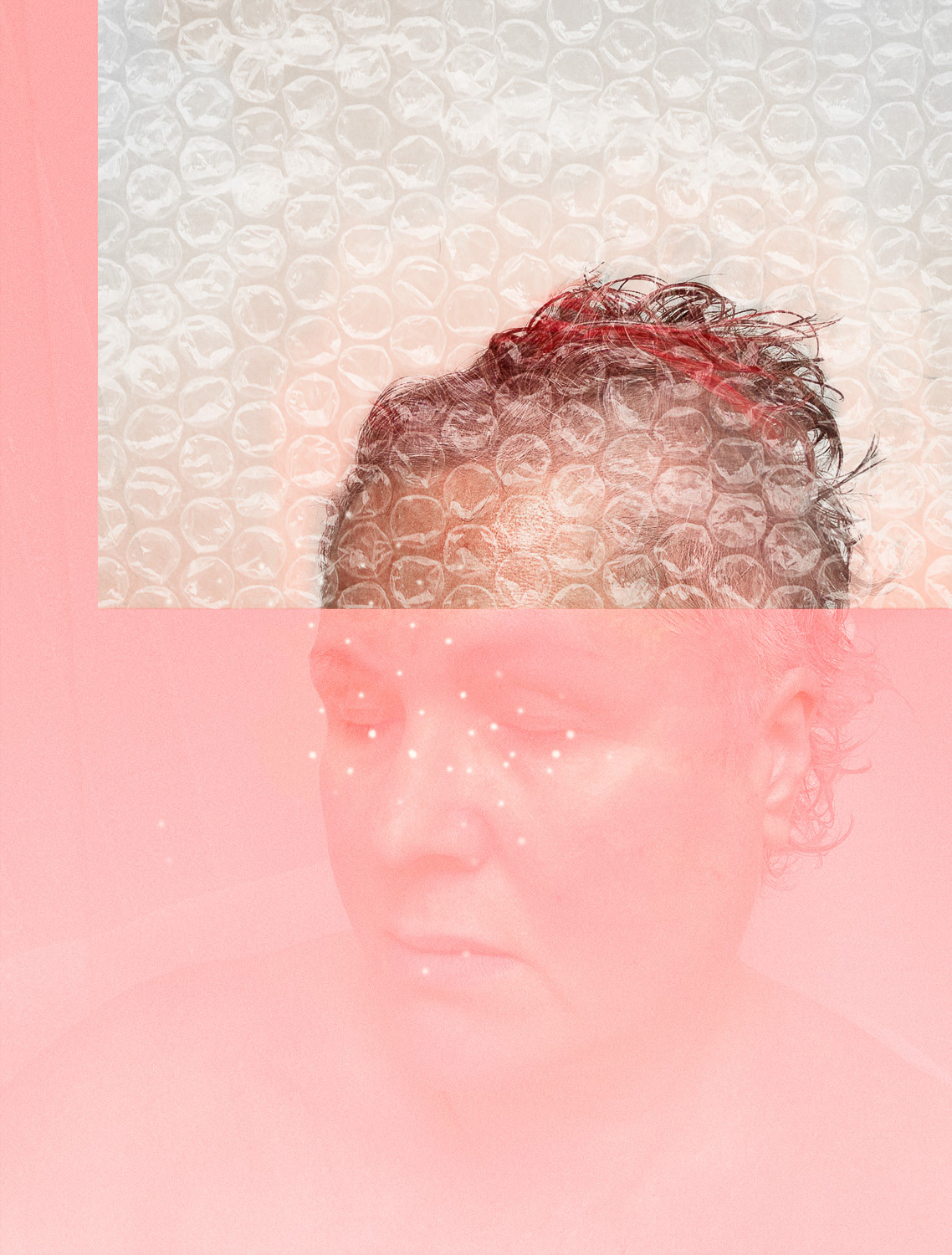
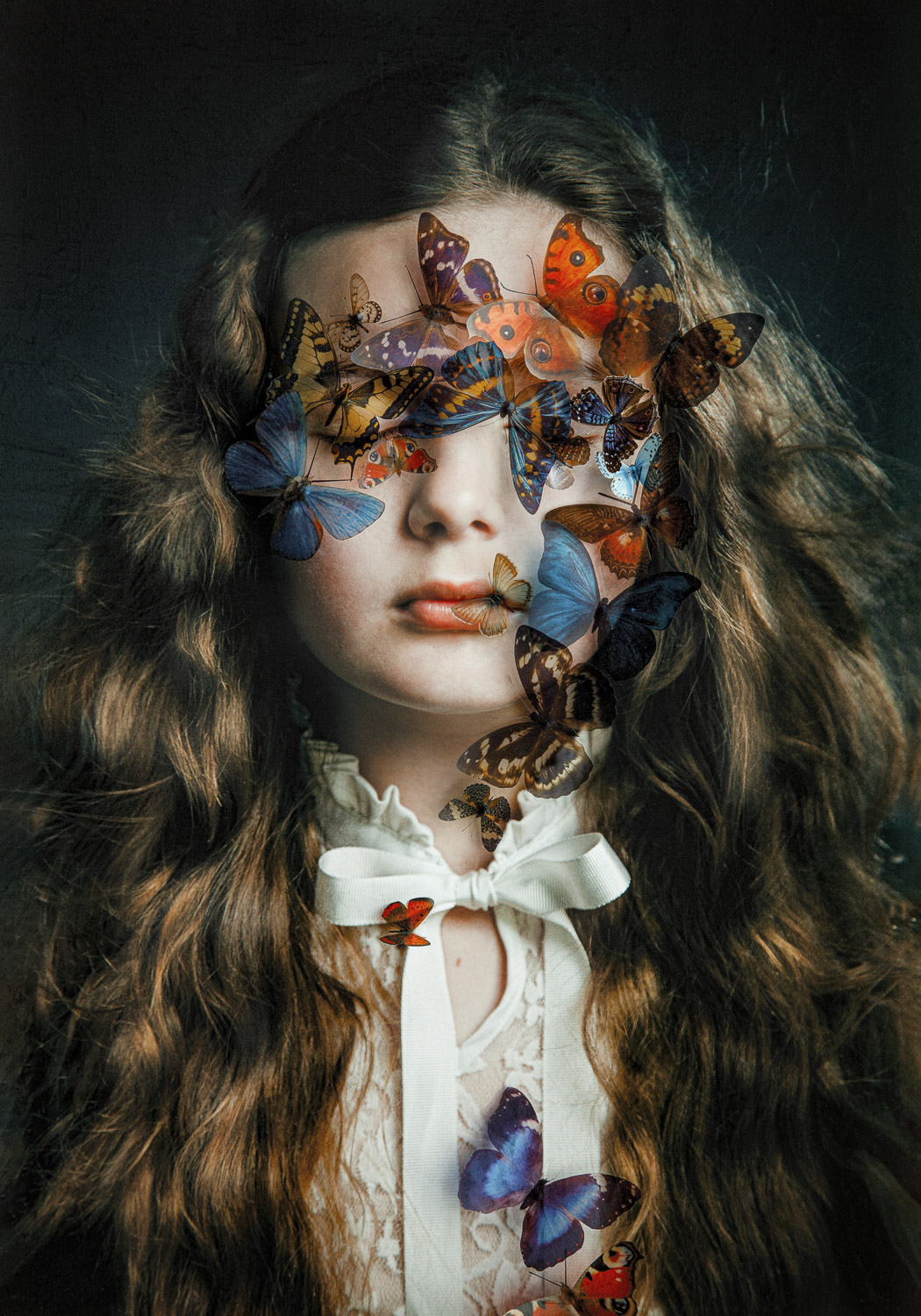
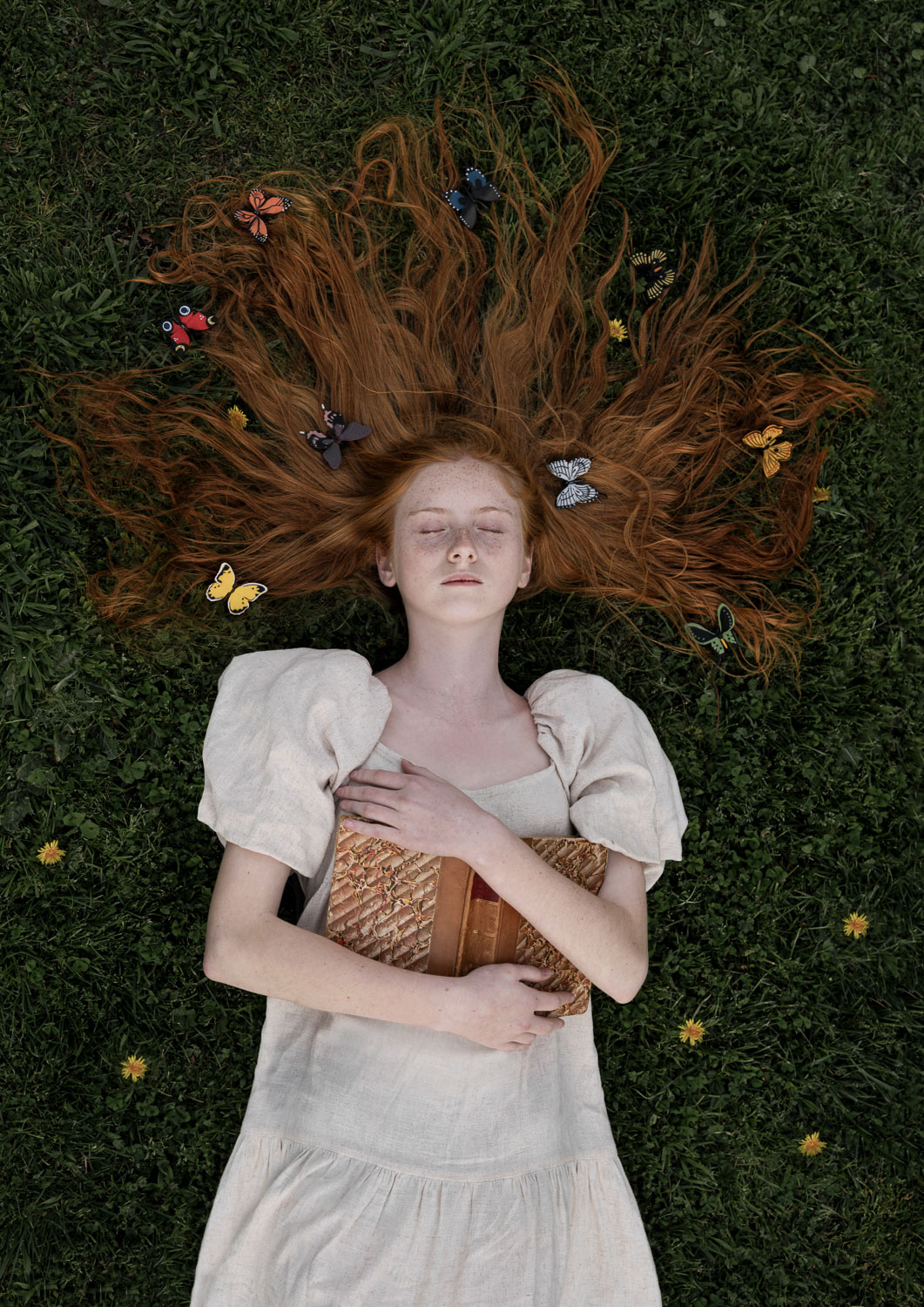
Obstruction In Obstruction, a single real butterfly is concealed among a gathering of artificial replicas. Together they partially obscure the subject's face, interrupting the features we instinctively search for when reading a portrait. As the boundary between genuine and imitation becomes increasingly difficult to discern, the work questions how we determine authenticity and how much we rely on appearances to construct meaning. What begins as a portrait becomes an exercise in uncertainty, inviting the viewer to look closely while never being entirely sure what they are seeing.

Natasha Curato
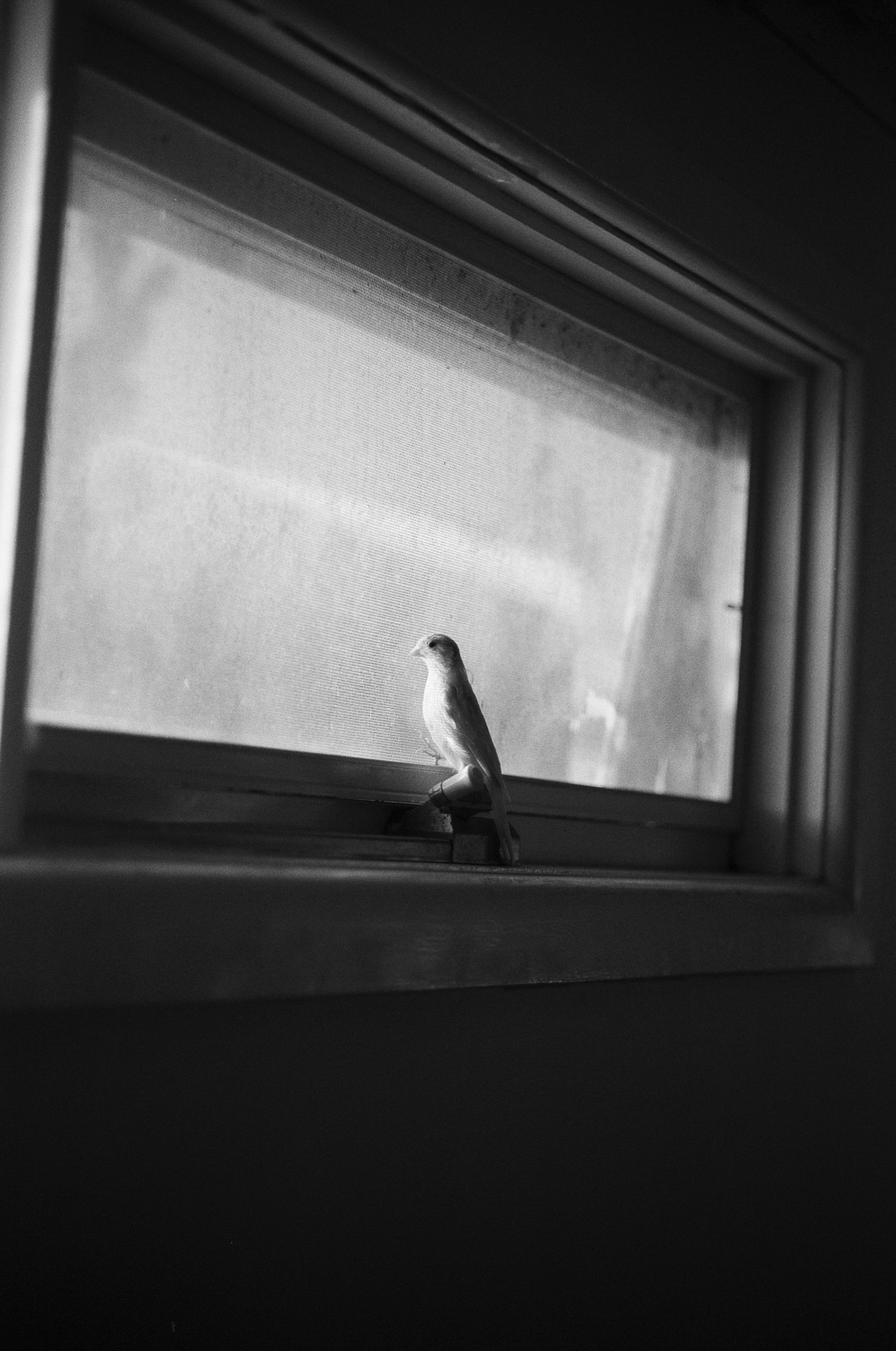
Pigeon 'Pigeon' is a photograph which I took in 2025 as part of an ongoing series that essentially, explores the idea of memory making and keeping, alongside the relationship between person, place and object over time. Birds have been a persistent symbol in my life, and are especially prevalent in my memories of childhood. Every time I see one, I think of my old home in the eastern suburbs of Victoria, I think of summer mornings and warm, late afternoons, and I think of the freedom of being 11 on school holidays. It is this connection between a present moment and the past that I hoped to capture.


Paul McDonald
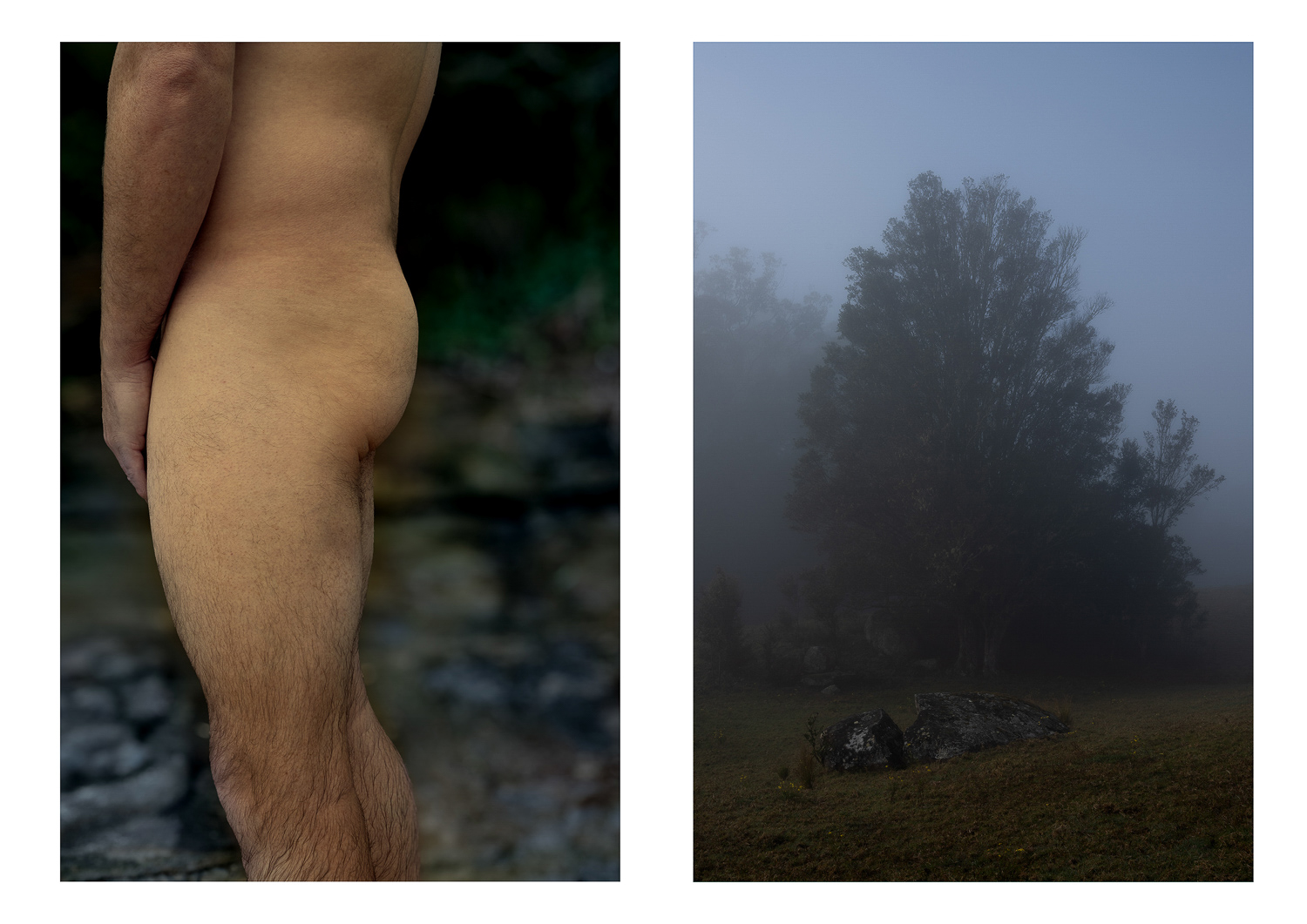
The Secret Taken from the series - Things I Wanted to Say - but Never Did The catalyst for this series emerged from encounters with private photographs of men in love, taken between 1850 and 1950. Once hidden and unpublished, these images have only recently surfaced through archival publications and exhibitions. They document moments of intimacy that existed in a time when male partnerships were often criminalised—when love itself had to remain unseen. In response, I have reinterpreted and reimagined the compositions of these images, situating them within both natural environments and constructed, interior spaces. Large windows and open, empty rooms become sites of quiet exposure—spaces that invite observation while still holding a sense of concealment. They reflect a tension that persists today: that acts of love, though more visible, are still subject to judgment, and in some parts of the world remain illegal or punishable by death. More than a century on, secrecy continues to function as protection. The works incorporate spaces inhabited by plants that have decayed over the duration of the project, alongside landscapes drawn from the harsh yet striking environments of Australia and New Zealand. These elements speak to cycles of memory and loss. The land—marked by both beauty and violence—becomes a parallel to human experience: it weathers, it transforms, it regenerates.

Peter Hutchpj
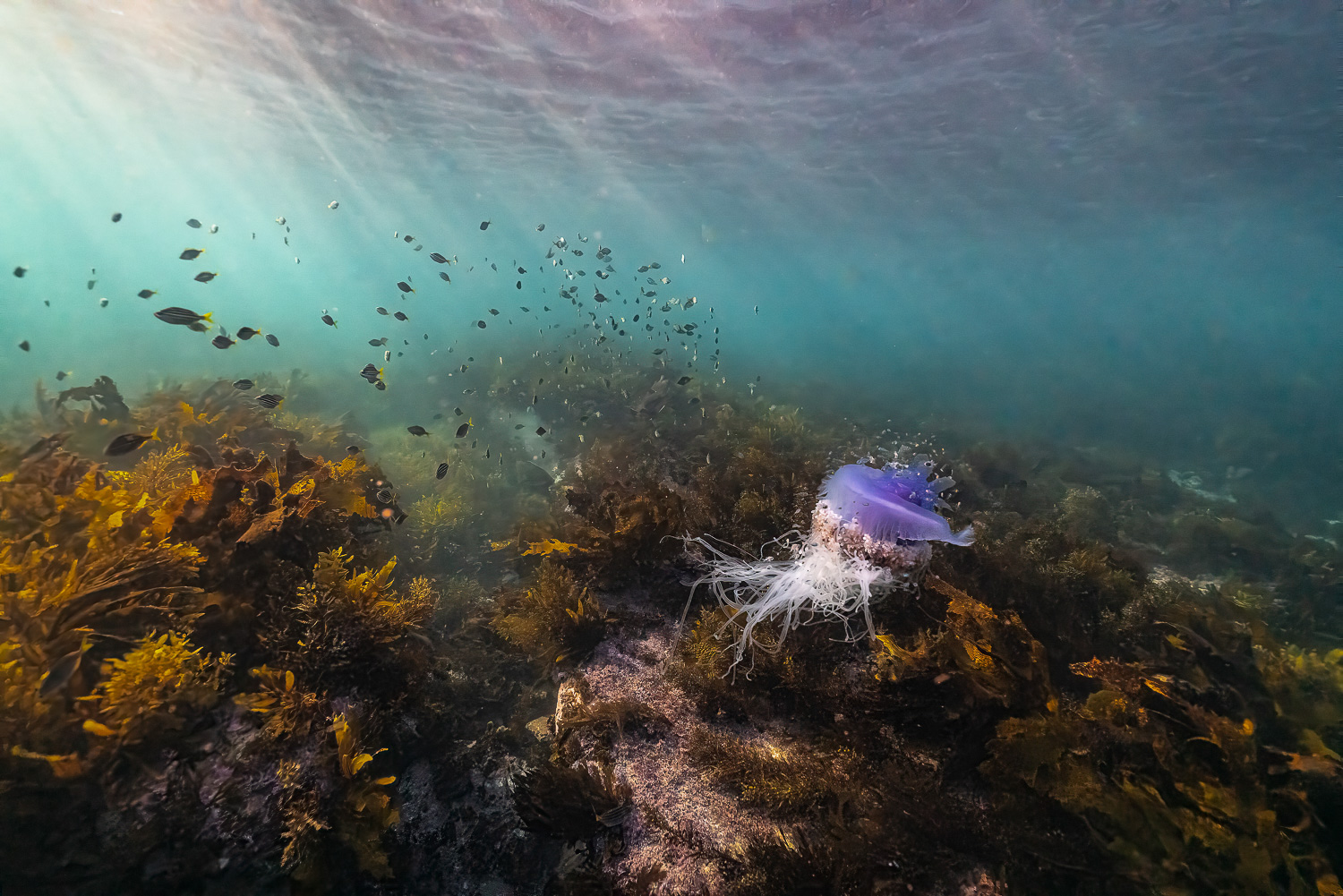
Lightfall A Crown Jellyfish drifts through a temperate kelp forest in Sydney's Cabbage Tree Bay as shafts of sunlight penetrate the water column. Surrounded by reef fish and illuminated by natural light, the image captures a fleeting moment within one of Australia's most accessible marine sanctuaries.


Raquel Trejo
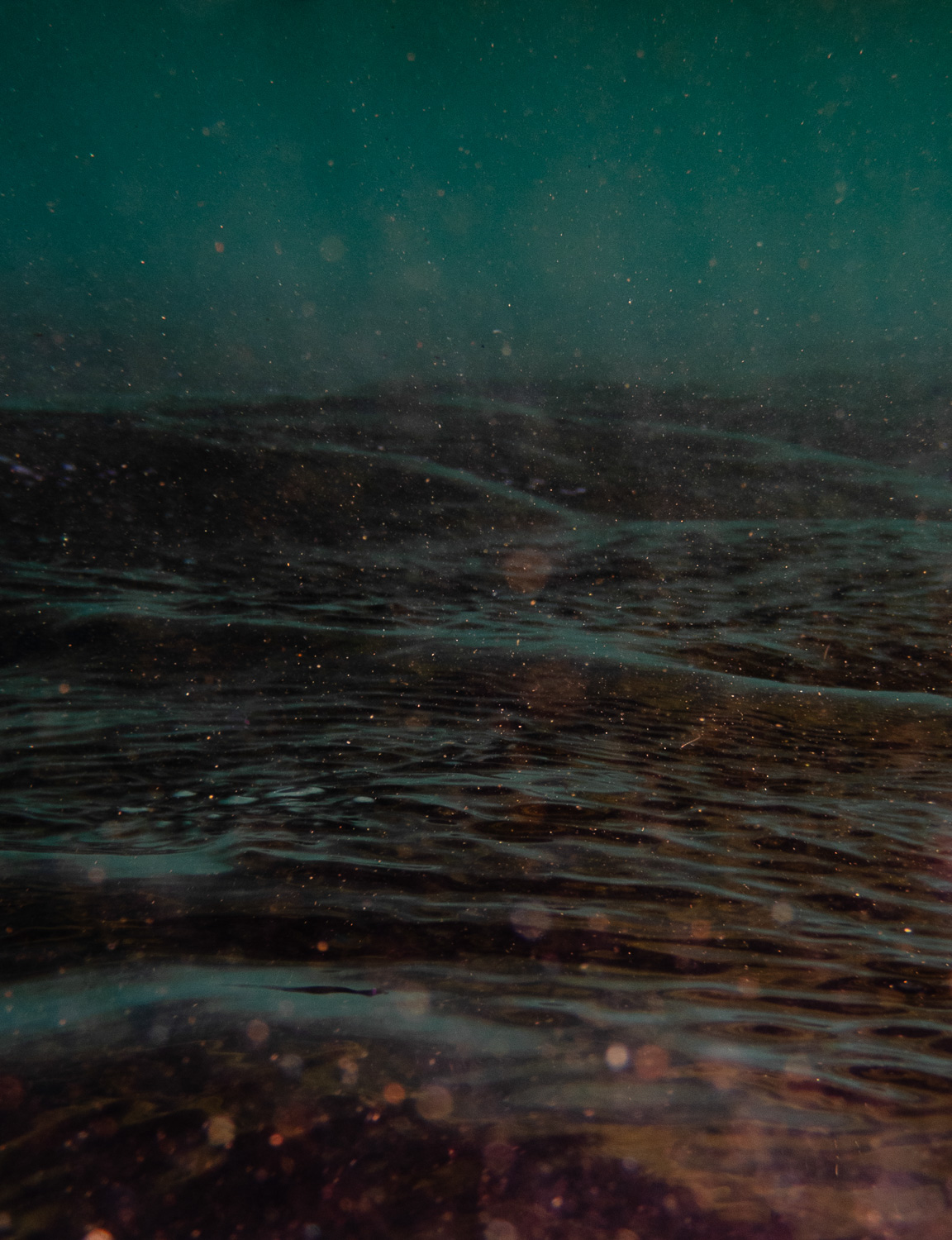
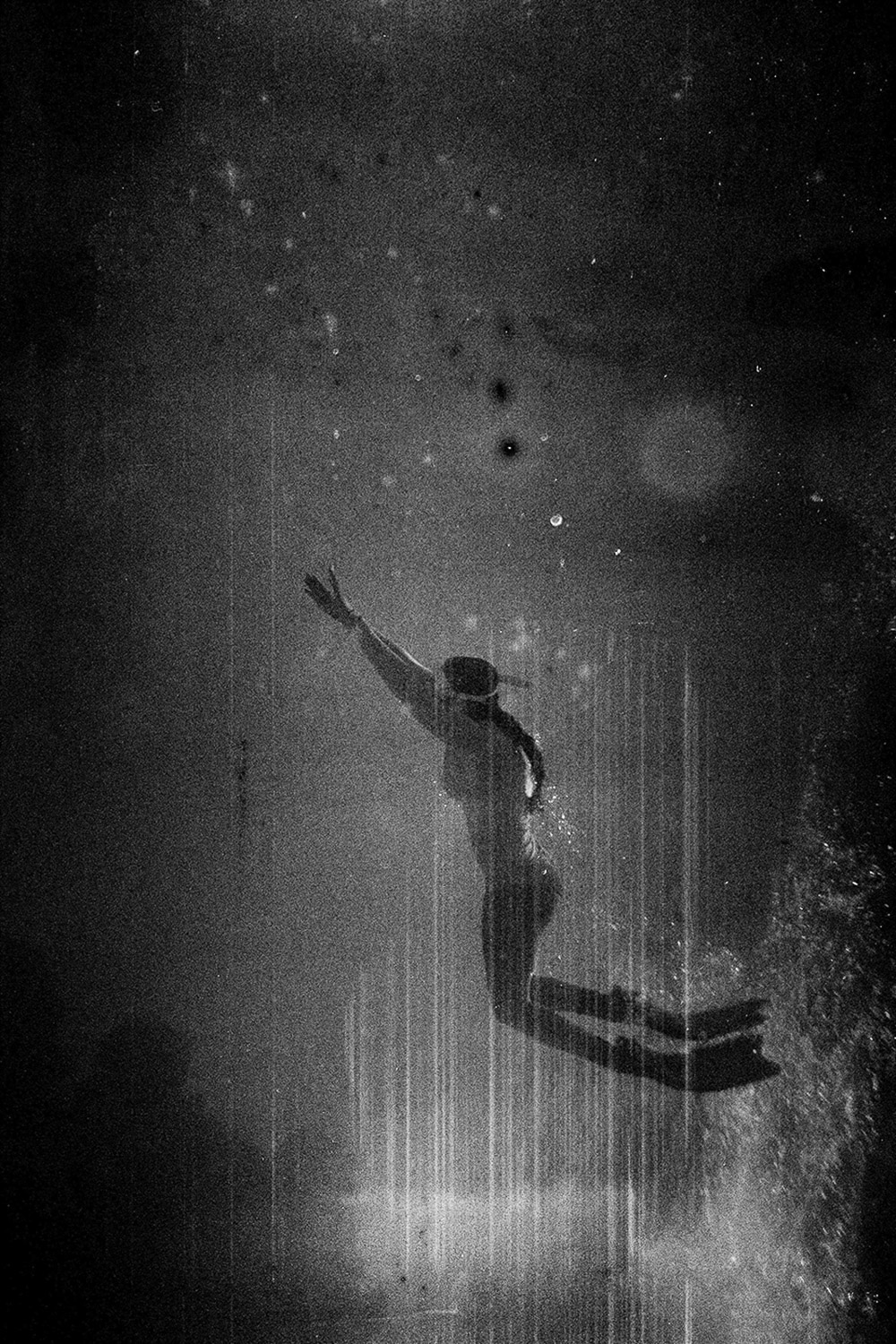
To the Moon Made underwater with a malfunctioning Nikonos camera, To the Moon allows seawater, light leaks, and film damage to shape the final image. The photograph comes from my series Mother, where the ocean participates in the image-making process, leaving physical marks across the negative. SERIES DESCRIPTION Mother is an underwater analogue series made with my daughter using a malfunctioning Nikonos camera. By allowing seawater to enter the camera, I let the ocean physically alter the negatives through chemical scars, light leaks, and emulsion damage. The work explores collaboration, motherhood, and how the natural world can participate in image-making.


Rebecca Murray
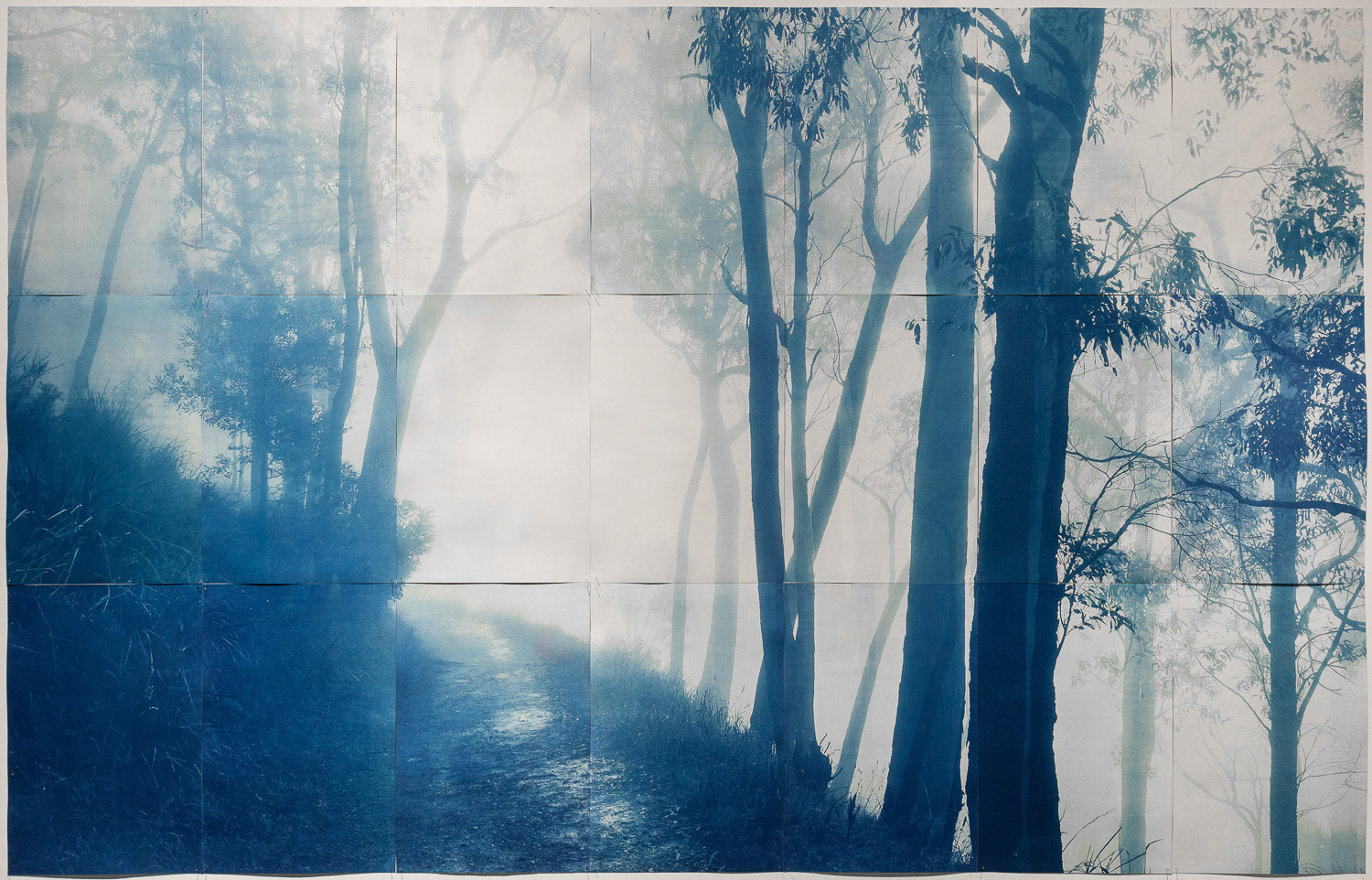
Echoes Prominent on the skyline east of Naarm (Melbourne), the Dandenong Ranges (Corhanwarrabul) are the remains of an extinct volcano. Their fertile soils are home to a rich diversity of life. In the understory, echoes carry through the landscape across space and time. Ongoing narratives, embedded memories, spirits, and scars. How much do we perceive or know of any given place, even the ones we feel closest to? A complete picture is always obscured, made up of many interconnected parts. Using cyanotype, a nineteenth-century sun-printing technique, a single digital image was converted into a negative, fragmented, transformed into individual prints, and reassembled into a larger whole.

Renae Saxby
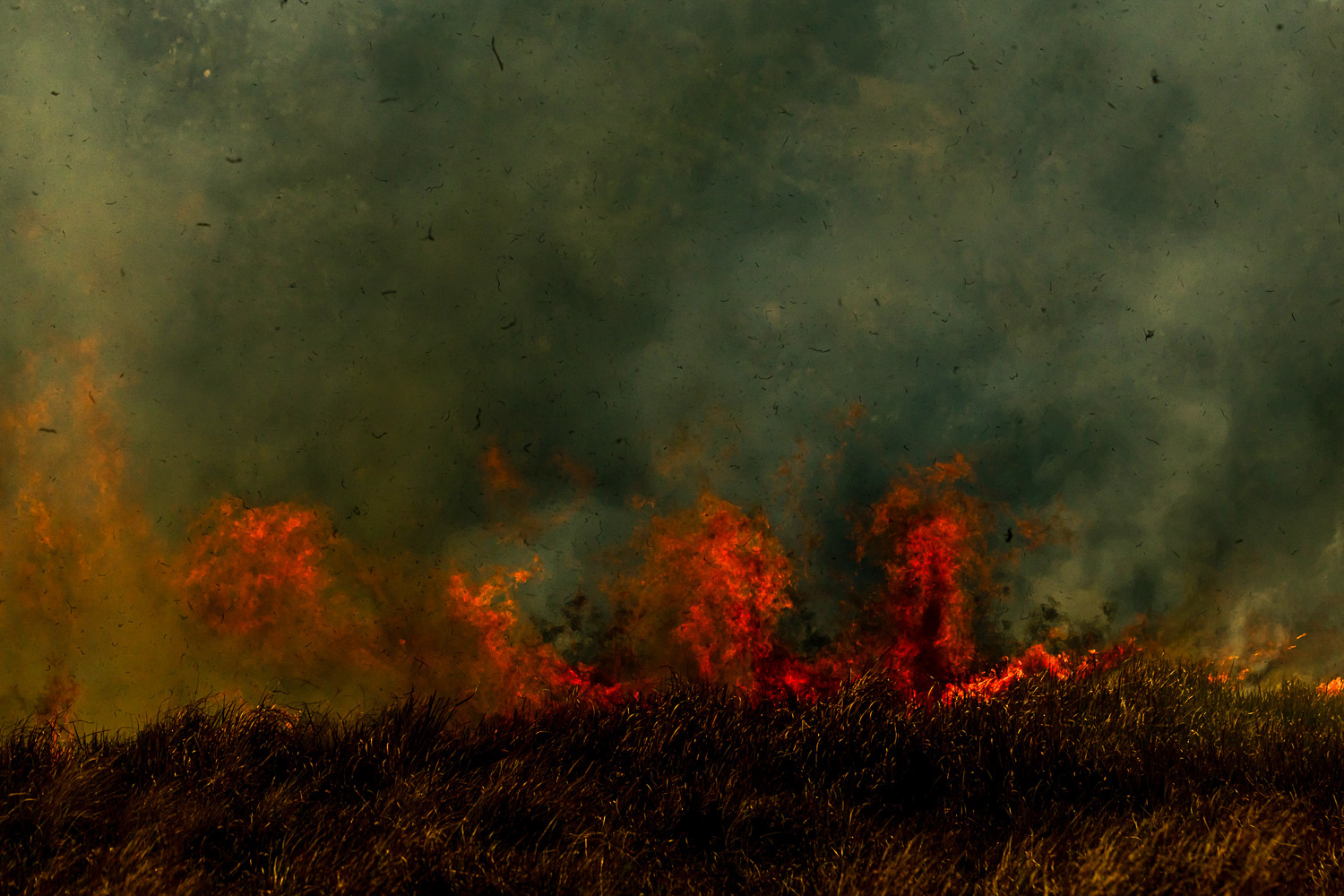
Fire Scars - A Grounding Force Emerging from a period of deep grief and illness, Fire Scars moves between outer landscape and inner terrain, held by the healing presence of fire. A Grounding Force captures a slow burn across our family farm, where fire moves steadily through the land, reshaping it without the violence of a sudden blaze. It reflects a moment of ongoing change, where transformation is present but not yet complete. Rather than seeking to explain or document, this work offers a space to feel. To sit with flame, with loss, with transformation. To recognise that fire, like grief, leaves marks, and that sometimes those marks become maps for healing.


Sally Mayman
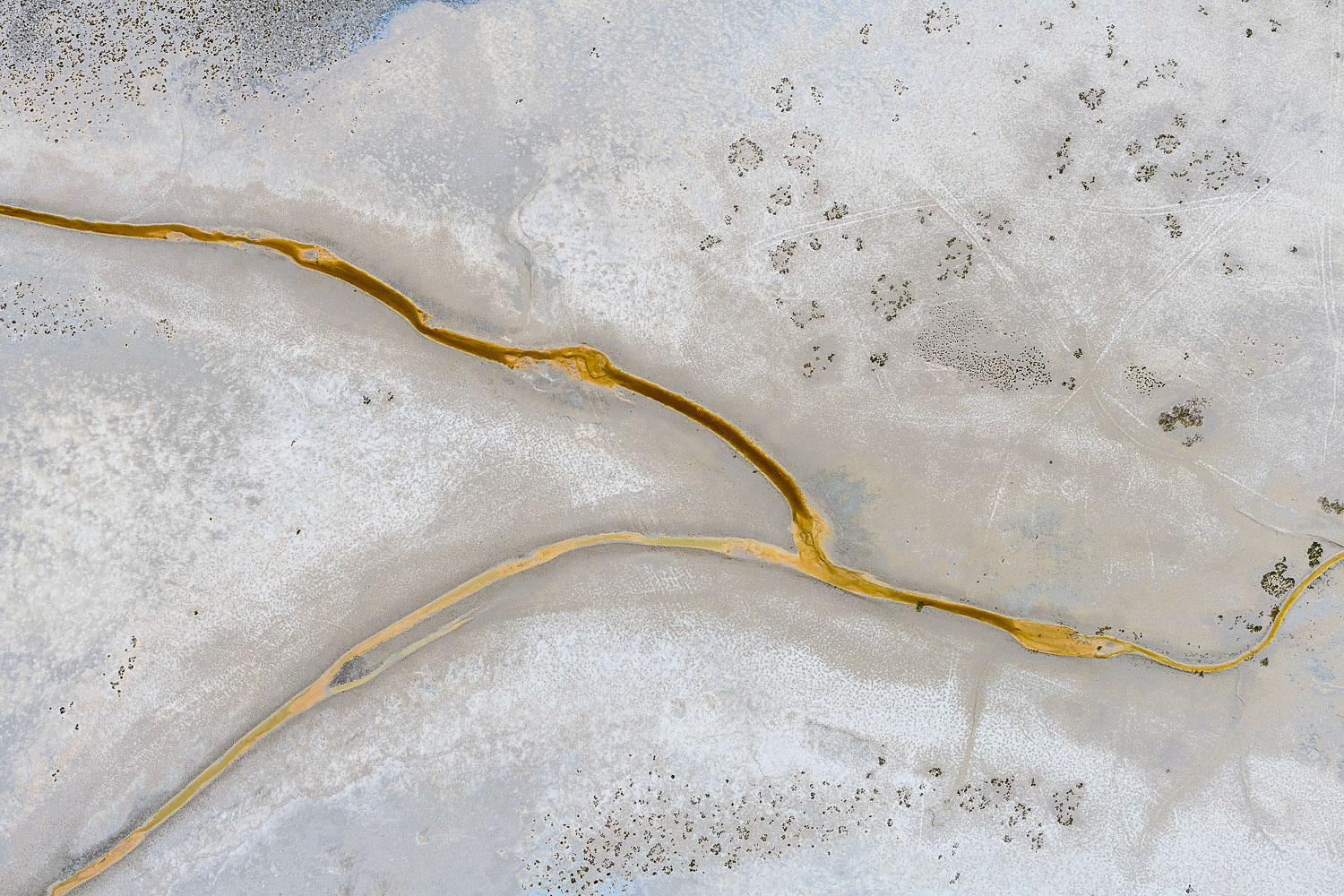
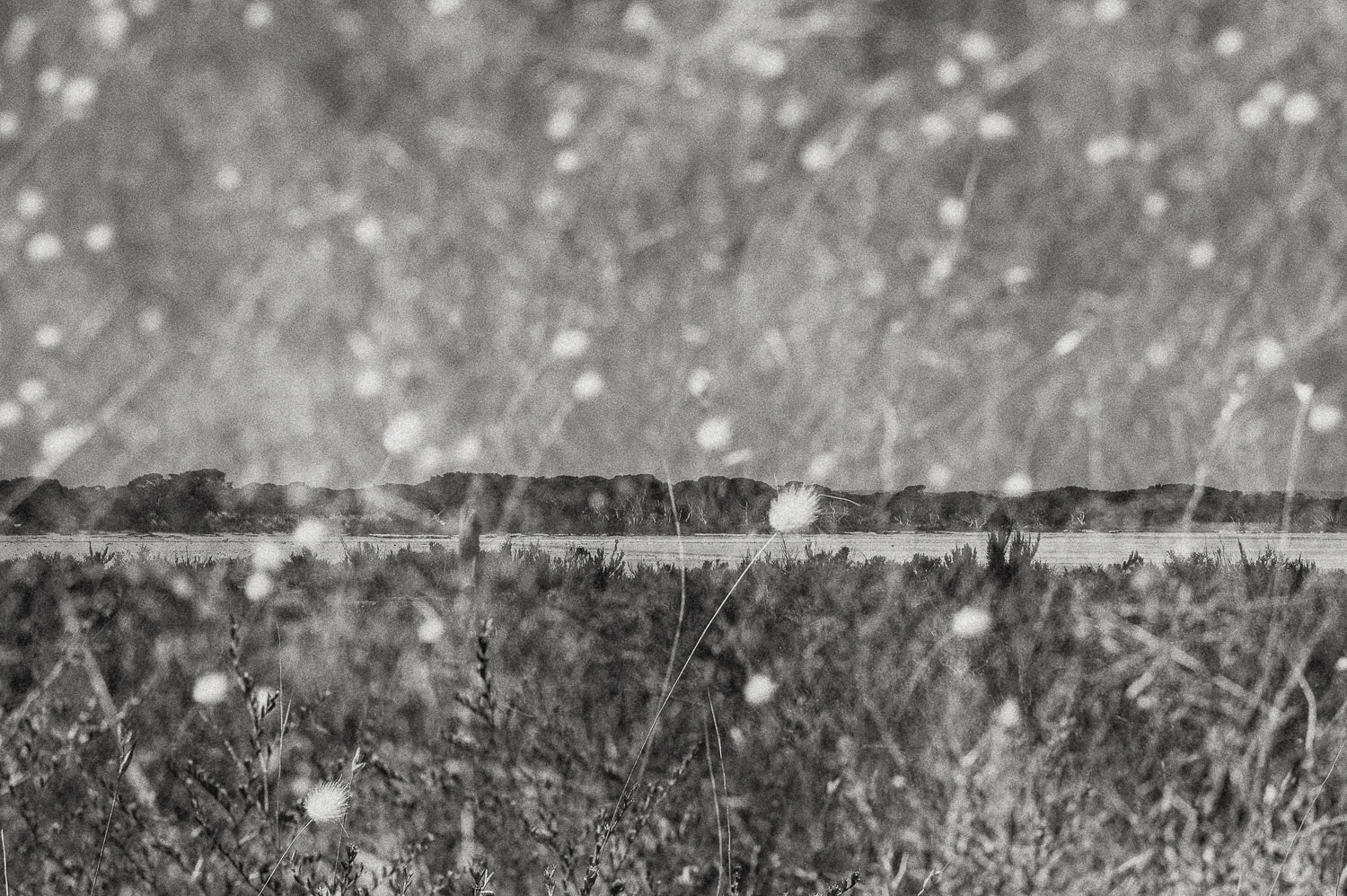
Liminal Zone Wontanella “Liminal Zone Wontanella” is one in a series, studying areas where water bodies meet land. These in between or transformative zones tell the stories of man’s impact on the natural rhythms and cycles of the environment. The images embrace the diversity, beauty and sometimes shocking reality of our shared impact. We are one, not seperate from these ecosystems. Though awareness there is hope for everyone to consider their collective responsibility.

Sally Mayman
Sublime “ Sublime ” celebrates our connections to the sea and our community which is shaped by it. These timeless connections are physical but also deeply emotional & spiritual. They are intimately woven with our sense of belonging and well being. The oceans like our land environments are being drastically effected by climate change. “Sublime” encourages refection on our collective responsibility in maintaining the delicate balance of nature so future generations can enjoy what we have so loved. ”


Sarah Black
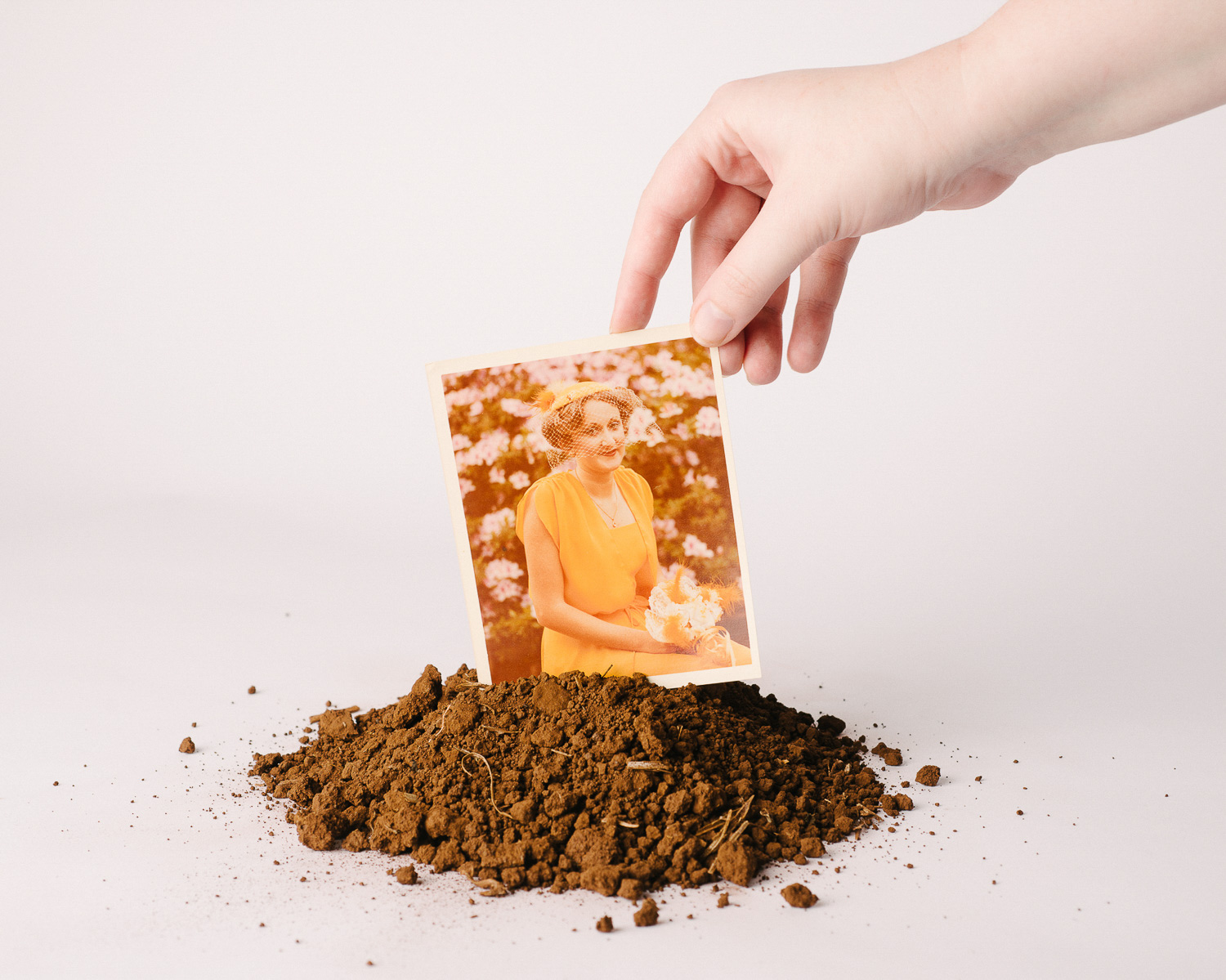
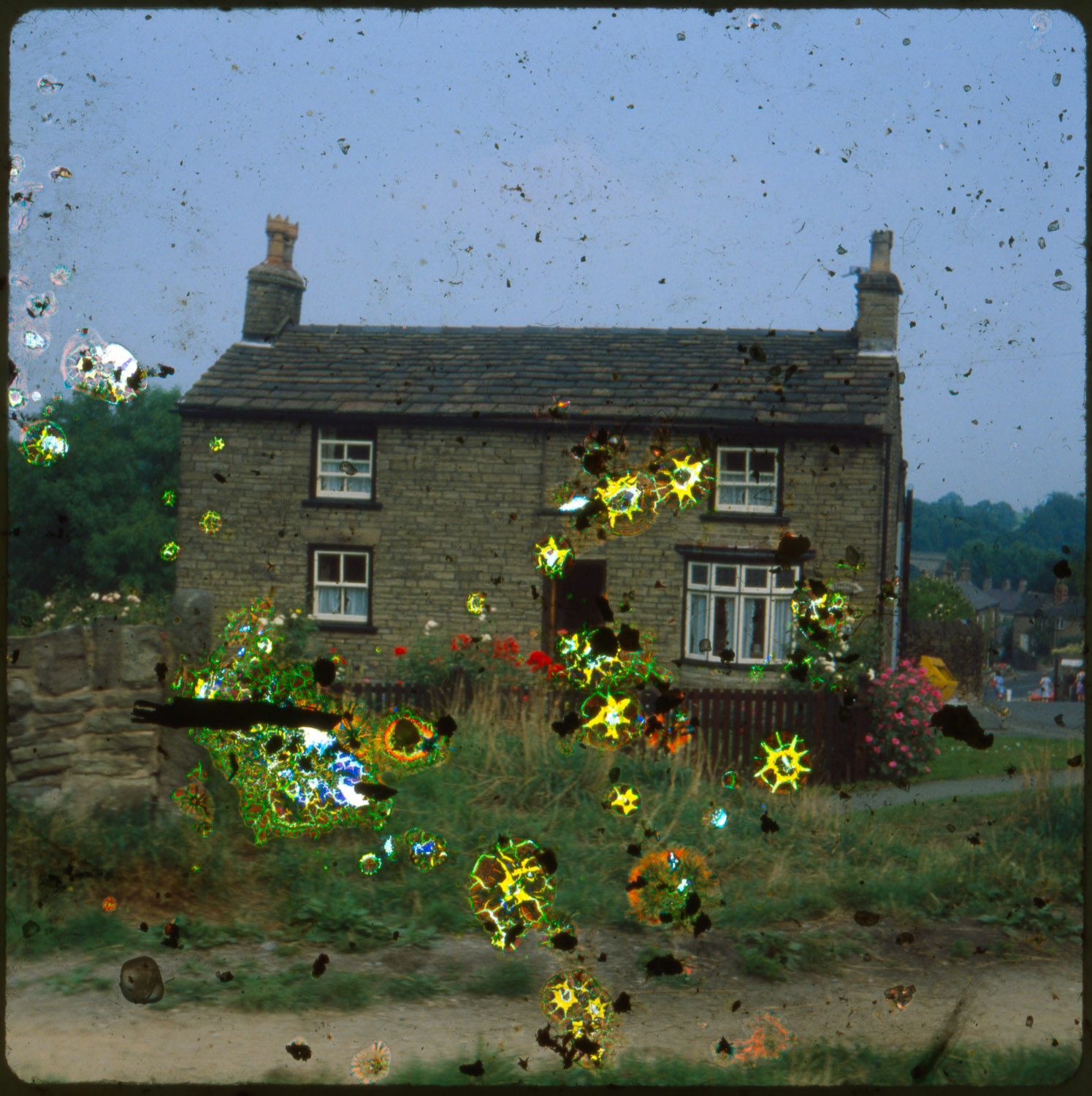
Future Garden for Past Lives Future Garden for Past Lives is an analogue process photograph which emerges from an ongoing series inviting living collaborations between found slides and the dynamic biome of a domestic compost environment. The series, entitled Positive Groundwork, invites the earth to participate in the imagining of new visions of multi-species being and thriving. The found slides, sourced via a not-for-profit facebook community sharing resource, are decades old, however all compost interventions, and all scanning and digital editing, date from March 2026 onwards.


Sarah Pannell
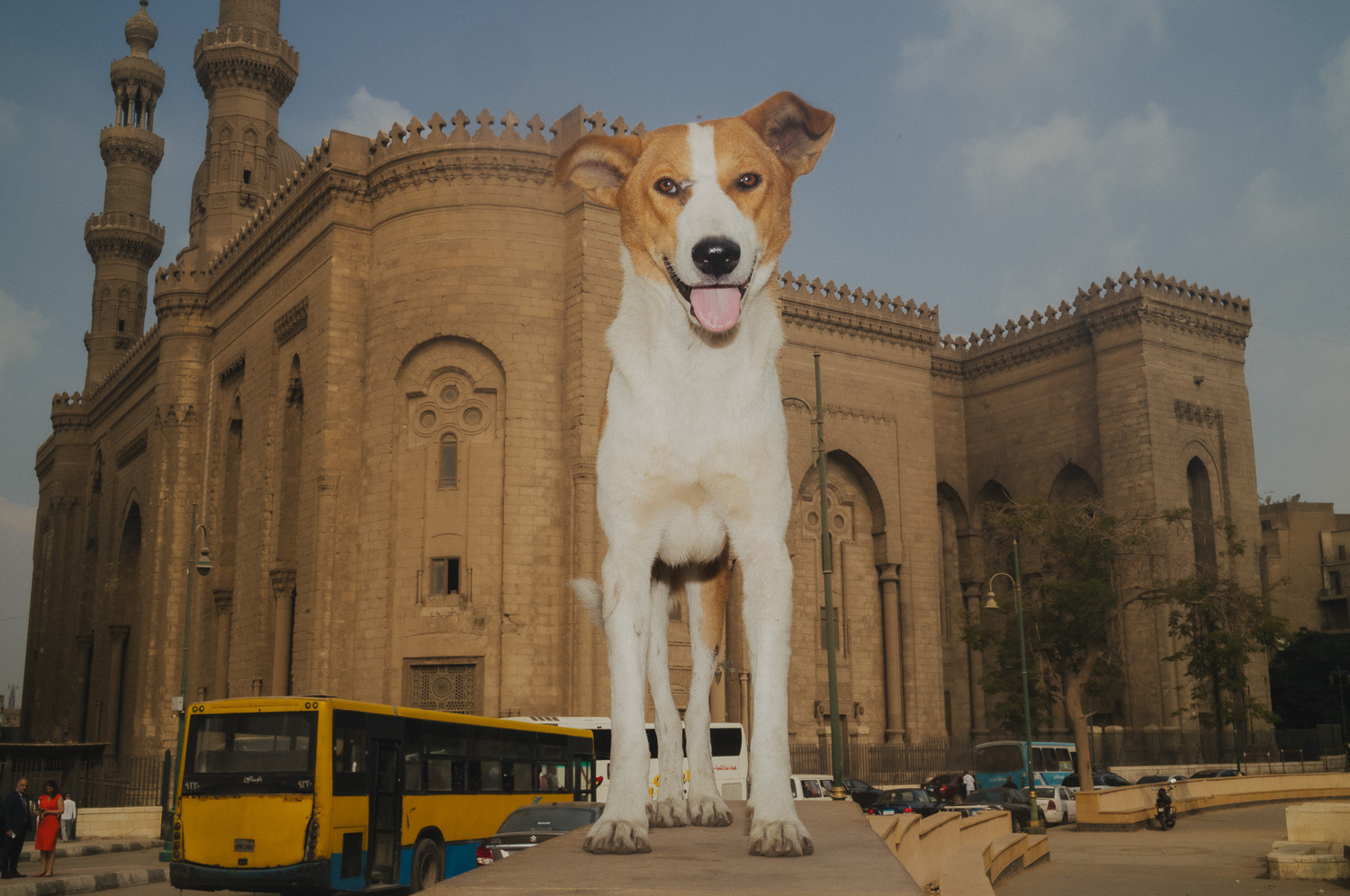
Sunday in Al-Darb Al-Ahmar Timepiece (2025). The city is incomparable. It grows and expands, bends and then folds inwards, all at the same time. There is a new capital being constructed, west of the city, off in the desert. The new capital’s ‘City of Arts and Culture’ is complete. But how do you even try to move or replicate a city like this? I zigzag my way across Cairo using the green line; the latest addition to the metro.I take my airpods out when i get to the platform so i can listen to the daily soundtrack that keeps you company while you wait for the train. Each time I emerge from the subterranean depths of a station, I experience a sudden lurch in time, both forward and back. I emerge into the Sunday morning heat following my return to the salient Al-Rifai Mosque, 7 years after my first visit. I find some shade across the road and sit next to a lonesome dog, who is prowling around, perhaps looking for something to eat. The dog seems happy enough, given its situation and begins playfully walking circles around me as I raise my camera. We smile at one another.

Silvi Glattauer
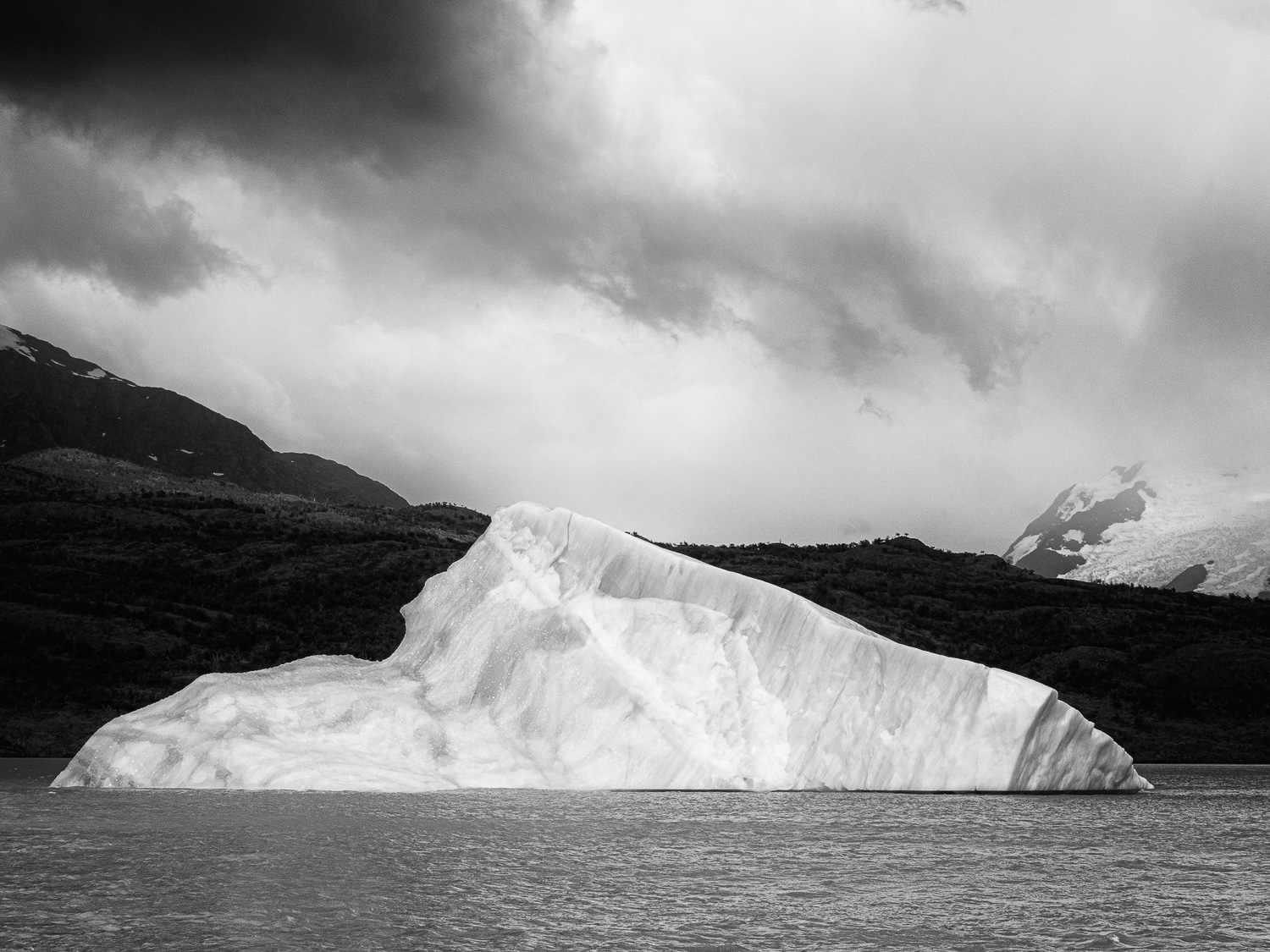
'Adrift On Notice' A calved fragment, adrift. What was once part of something immovable now floats, slowly diminishing. Monochrome, because this isn't scenery — it's evidence. Made shortly before Argentina amended its 2026 Glacier Law to allow mining exploration in the Patagonia Ice Fields of Argentina.


Stef King
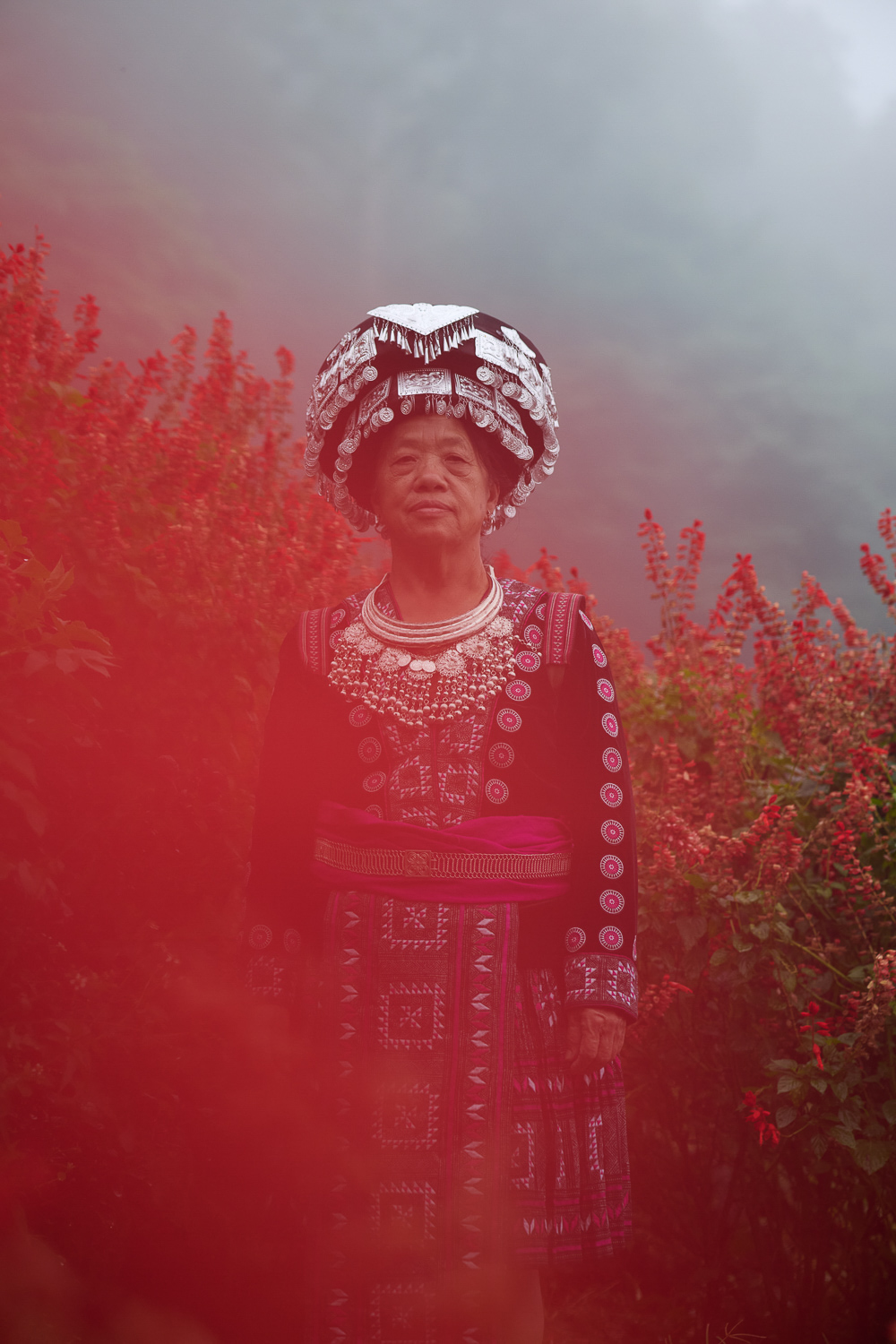
Daughters of Opium Daughters of Opium is a visual meditation on women in transition. Set among Chiang Mai’s highland flower communities, where land once associated with opium now blooms with colour, the series follows women across generations, grandmothers, mothers and daughters as living symbols of adaptation, memory, ageing, resilience and renewal. From remote hill tribe villages to farm lands to flower markets on city streets, the work traces what is carried forward, what is left behind, and how change moves quietly through women’s lives.


Trent Mitchell
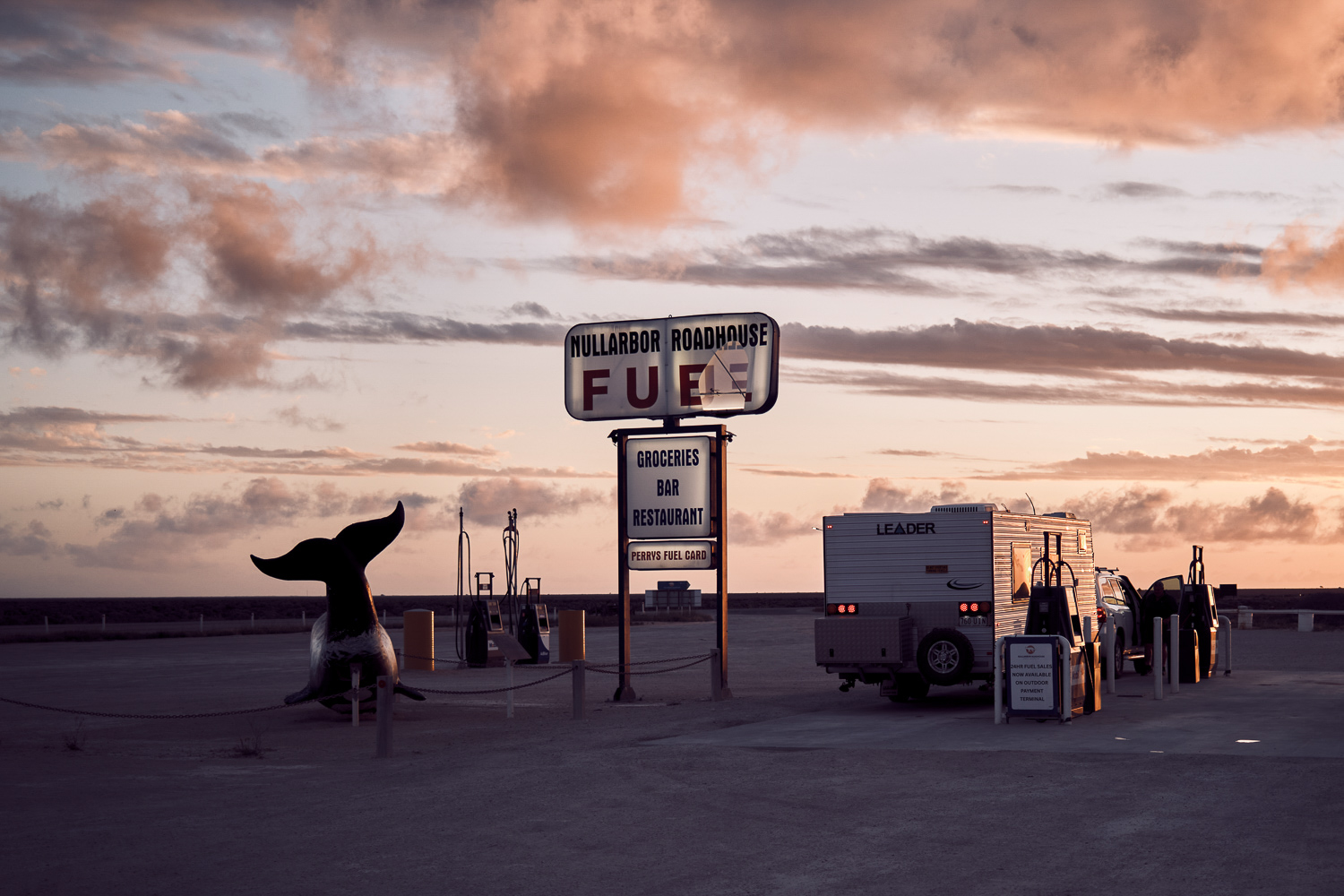
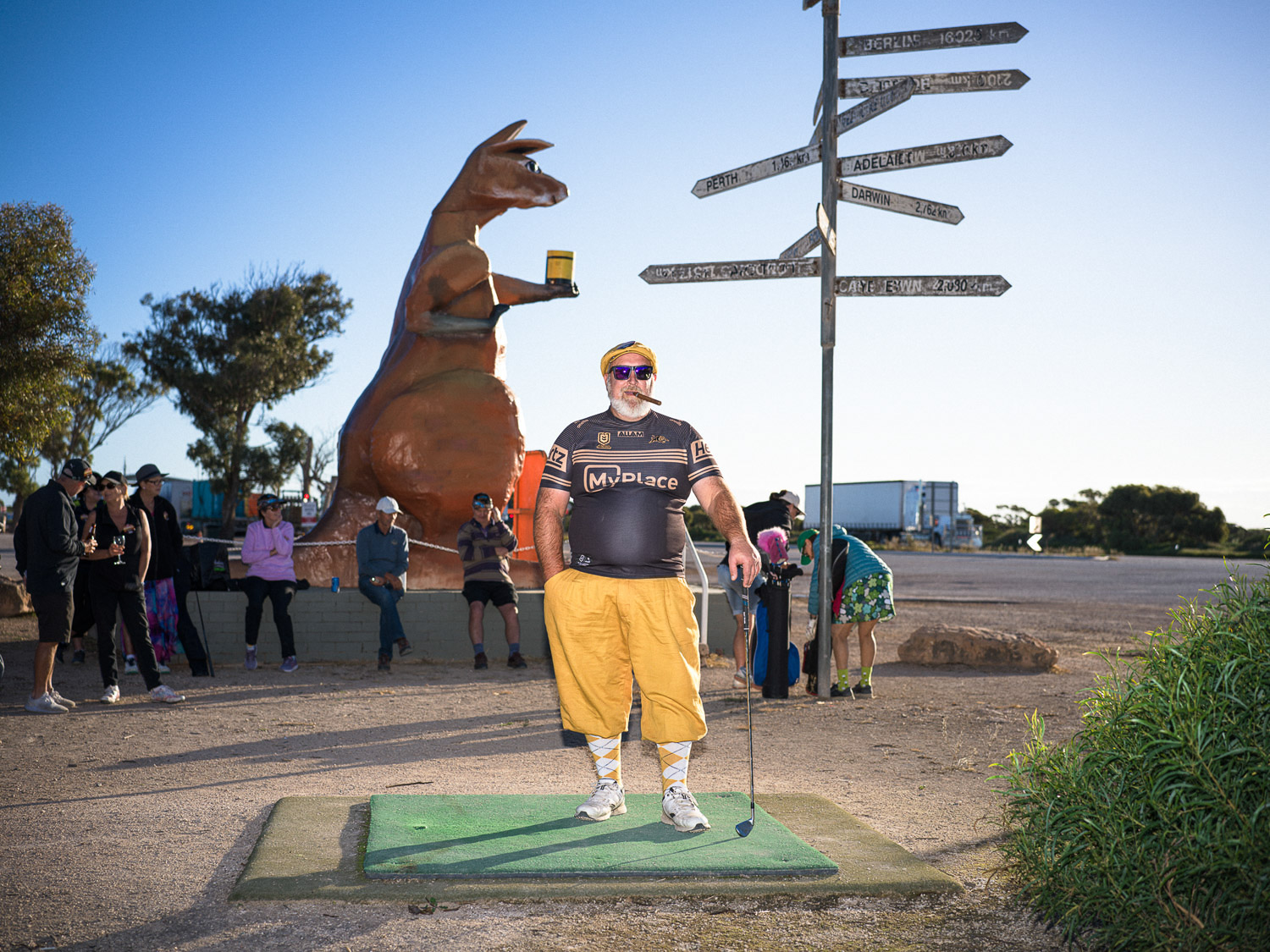
Paul Windle. Border Village, 2026. Claimed to be the longest golf course in the world, the Nullarbor Links is a truly unique concept. This 18-hole, par-72 course stretches across 1,365 kilometres, with one hole located in each participating town or roadhouse along the Eyre Highway, from Kalgoorlie in Western Australia to Ceduna in South Australia. Paul Windle, winner of the Men’s Net competition, did not expect such a strong result in the 2026 Chasing the Sun tournament. “I played so badly on the front nine,” he said. Paul also took home the Sharpest Dresser Award. He is pictured at the Border Village tee during the Nearest the Pin challenge.

Tristin Florence Sheen
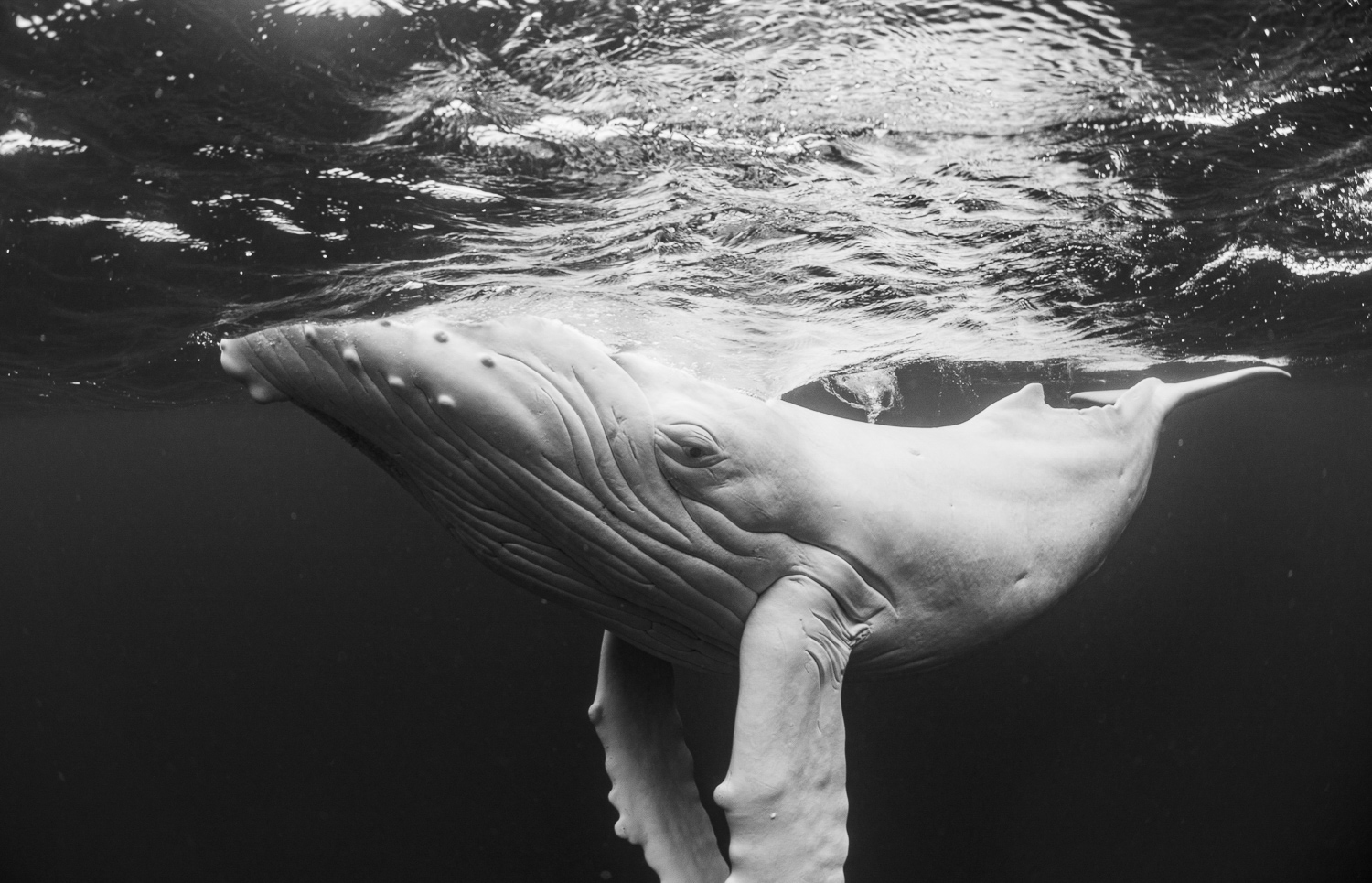
Siale, the rare white beauty. Siale born in Tonga 2024. A true albino Humpback calf. I was able to capture this rare image whilst at work as whale swim guide in Tonga. I swam with Siale with my daughter and then my husband. Just us in the vast ocean and this immaculate white treasure and her big dark mama.


Wilhelm Philipp
A Quiet Cry With its wings upright, forming a spiritual shield of protection from the spirits wishing to harm you, fighting until its last breath, this Tawny Frogmouth lies lifeless in my front yard. For years, I have grown a profound love for these beautiful creatures, they have frequently appeared in times of love, loss, hardship and solitude. Silently watching over me, a reminder that I am not alone, that the world is looking out for me. In a moment like this, quiet tears pass down my cheek as the shutter fires. An isolating grief that no one else truly understands.

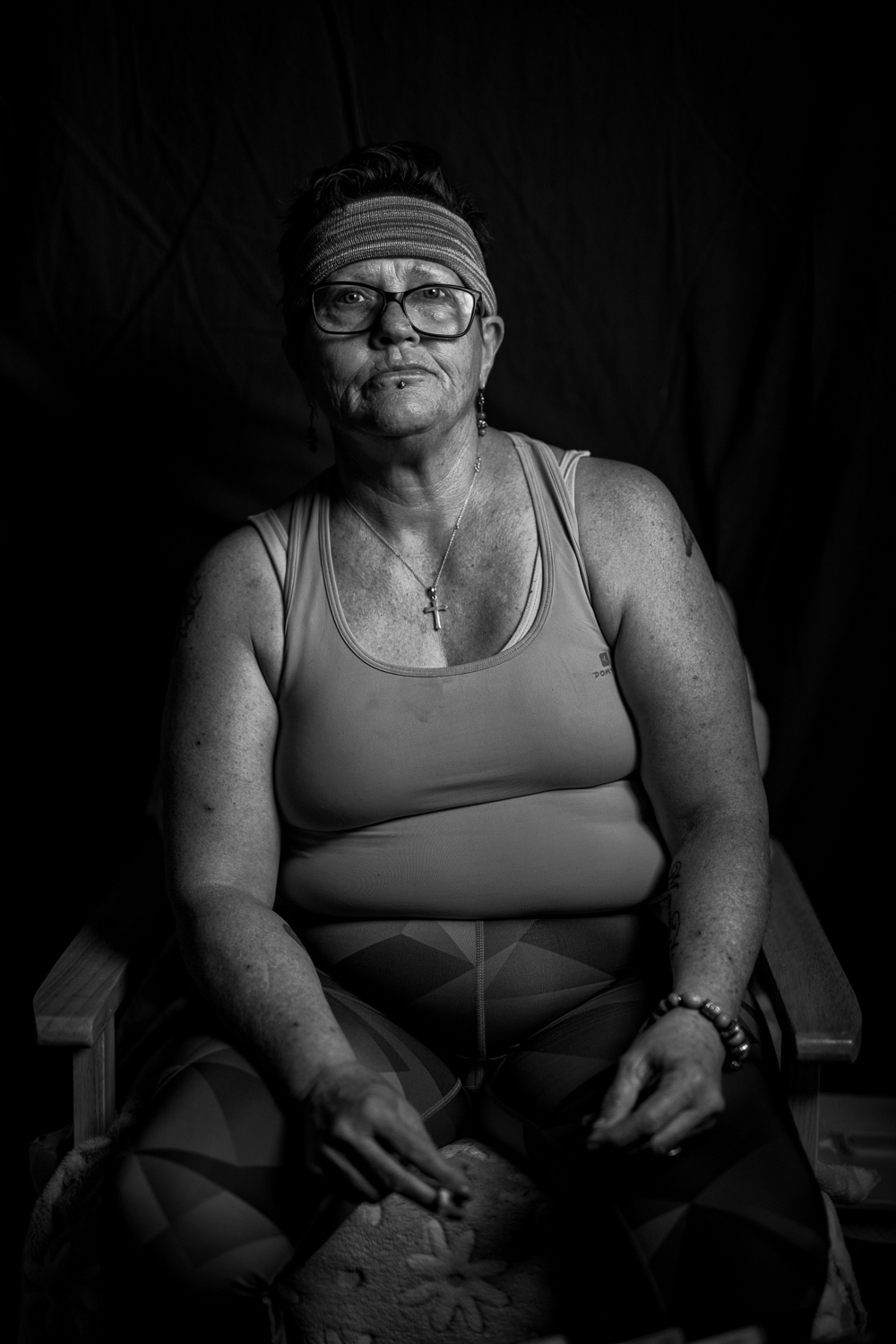
Student Winners
Jessica Tormey
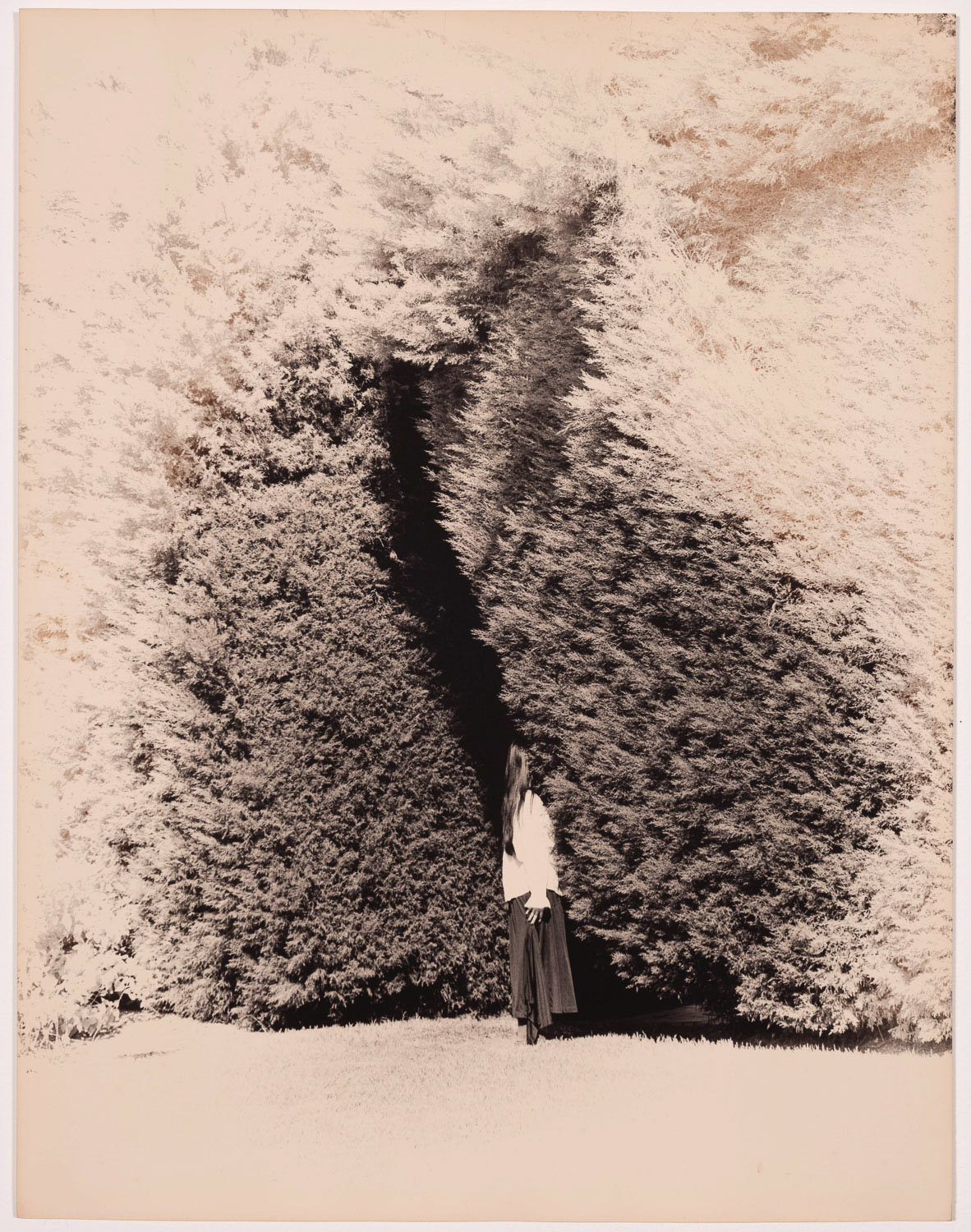
Xinshuo Zhuo
Student Shortlist
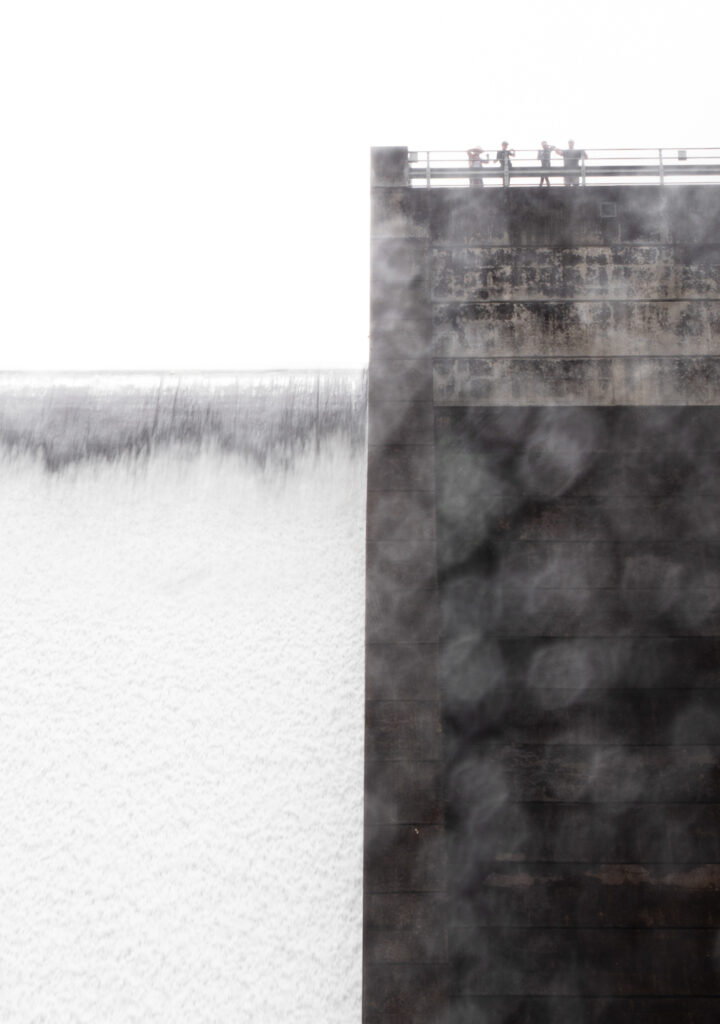
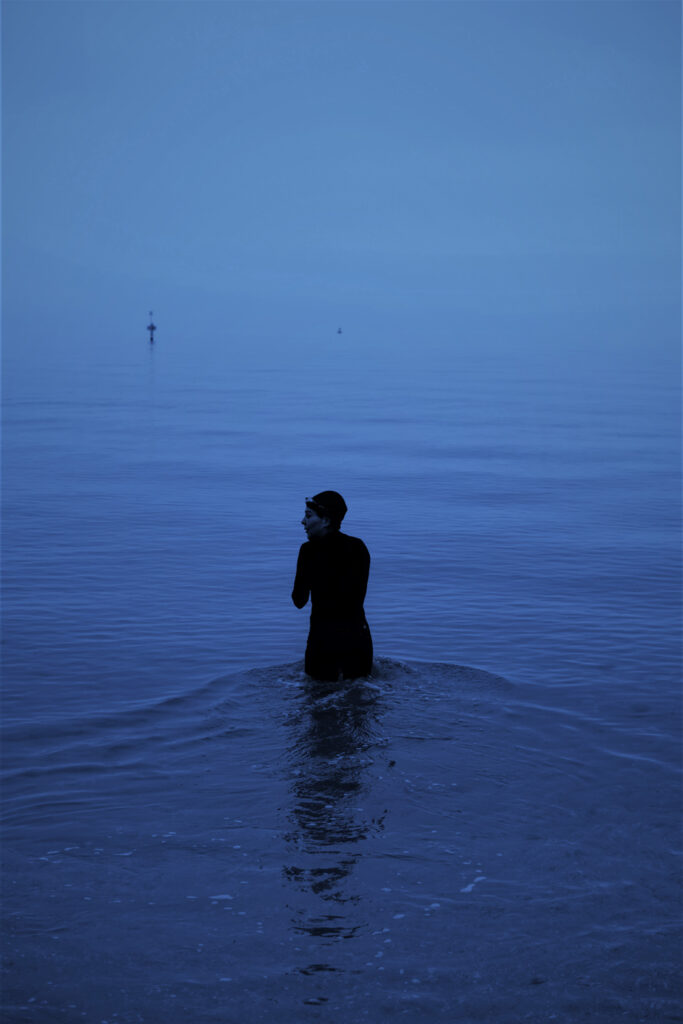
Benny K Rotich
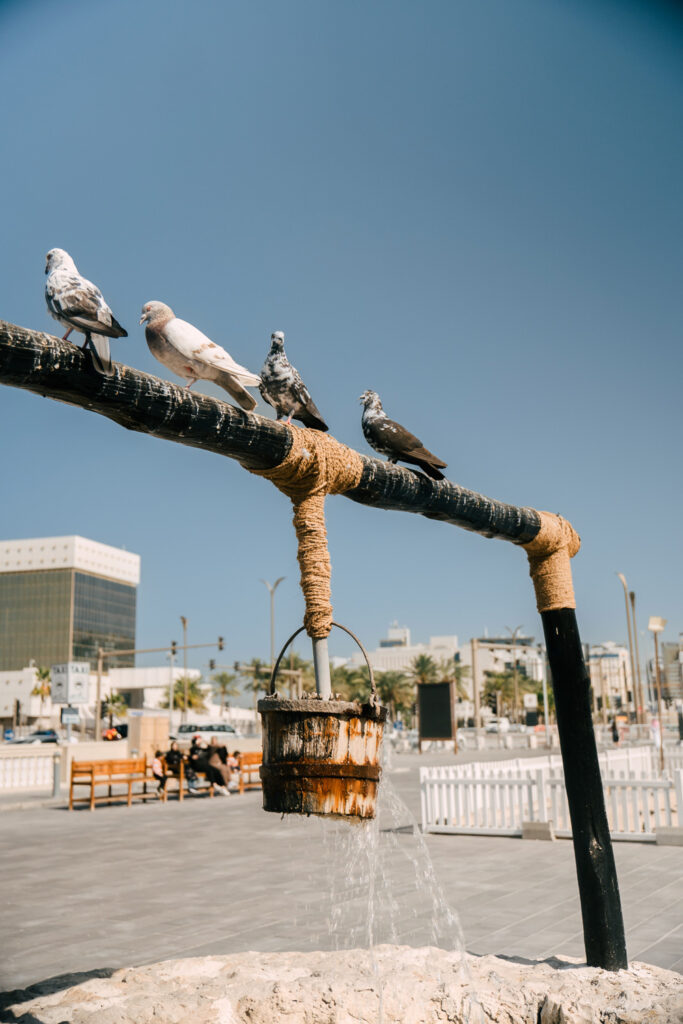
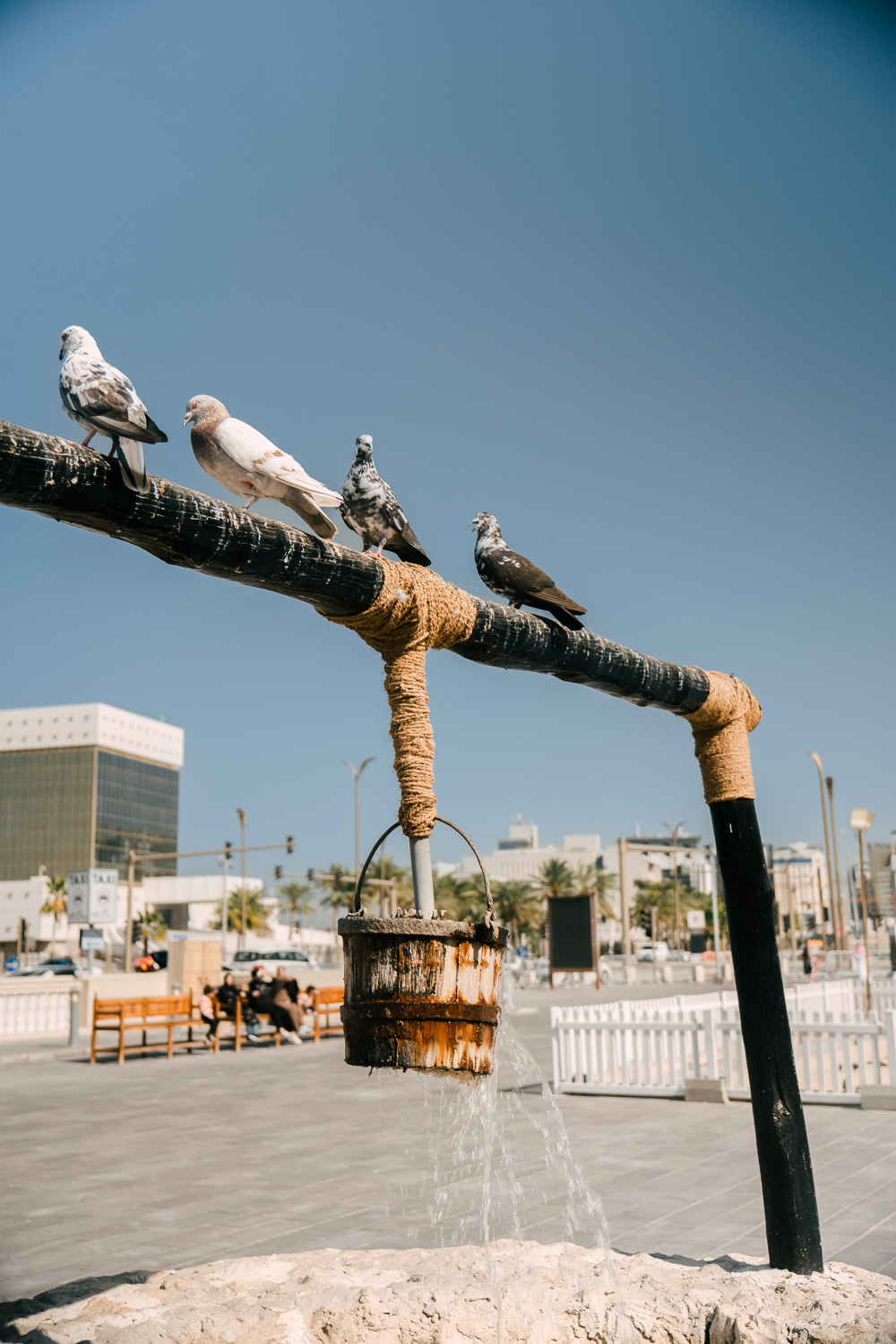
The Uninvited Residents Four pigeons gather on a weathered public fountain, momentarily transforming an ordinary urban fixture into a place of pause and presence. Against the vast blue sky and softened cityscape, the image reflects on the quiet coexistence between wildlife and the built environment. Though often overlooked, these birds become the uninvited residents of the city, adapting, occupying, and belonging in spaces never intentionally made for them.
Danielle Fisher
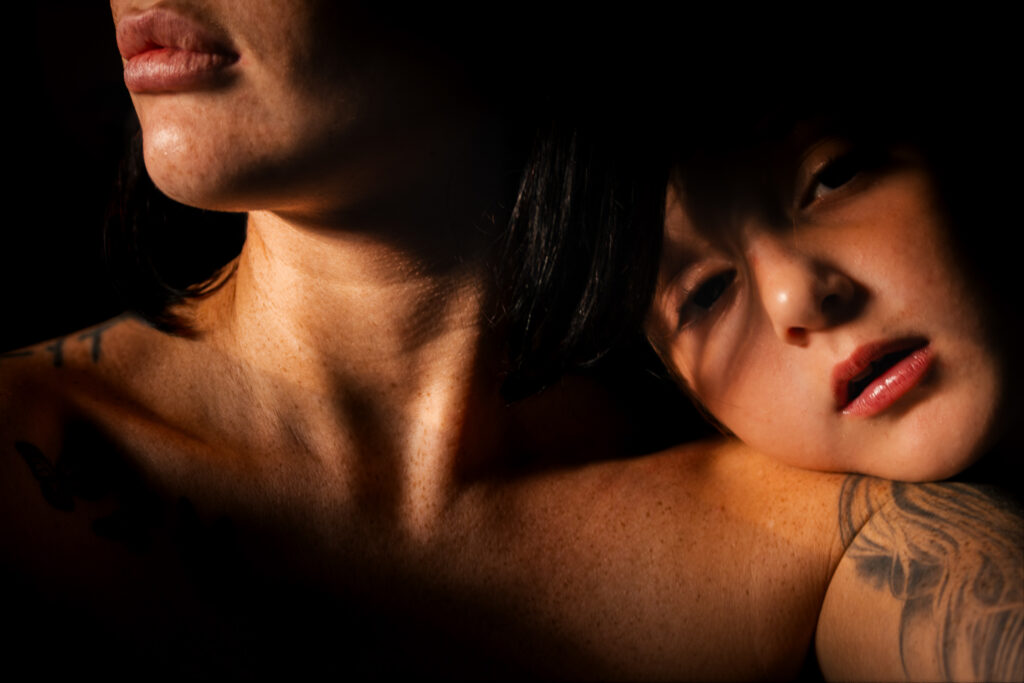
Held, Not Seen A moment of closeness unfolds in shadow, where touch becomes language. The child rests against the body not just for comfort, but for grounding — a quiet search for safety in a world that often feels overwhelming. The framing removes identity and context, focusing instead on texture, proximity, and breath. Skin becomes landscape, and connection becomes the subject. This image explores dependence, trust, and the unspoken role of being someone’s anchor — even when unseen, even when exhausted.
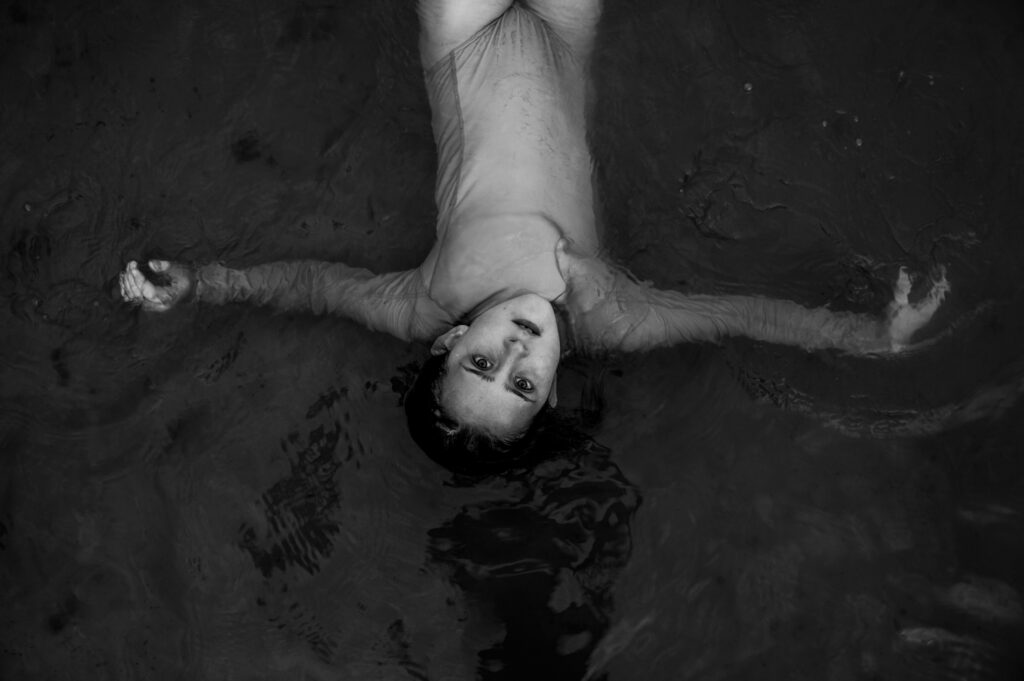
Jessica Tormey
Floating sink under the weight of things I didn't choose. Not dramatic, not loud just deep and heavy, the kind of sinking that feels like it might be final. But survival taught me that floating isn't the opposite of sinking it's what happens when you keep breathing long enough for the tide to change.
Joel Parkinson
Star Created in collaboration with my close friend Star, this portrait draws on the Sky Woman creation story, a figure who falls through the sky into water's embrace in the stillness before the world begins. We photographed at the Disappearing Tarn on Kunanyi/Mount Wellington, a rare pool that forms only after heavy rain and drains away within days. In this fleeting body of water, Star drifts in shadow yet bathes in light, her body absorbing its glow as if returning to the first moment of becoming. Her braids extend like roots seeking ground, echoing both Sky Woman's search for land and the Tarn's own transient existence. Here, water becomes womb and cosmos, origin and vanishing point, a space where Star affirms her connection to the Sky Woman story she carried into this collaboration, claiming it as a beginning of strength, identity, and selfhood.
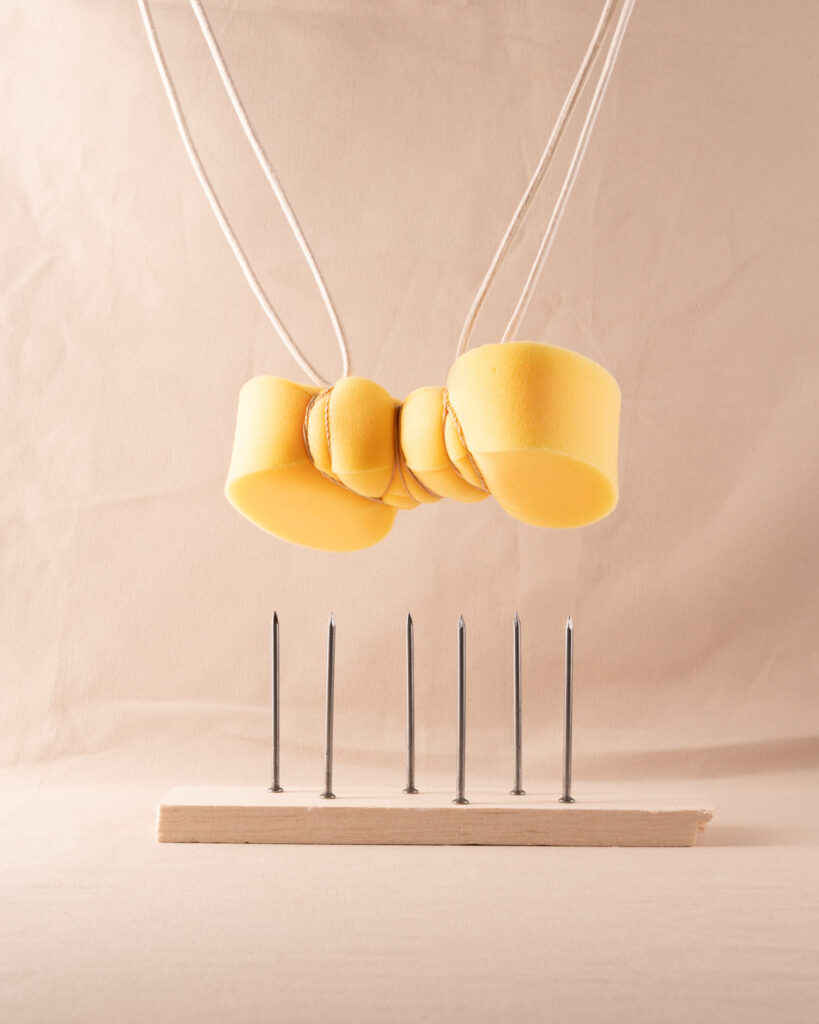
Julia Howe
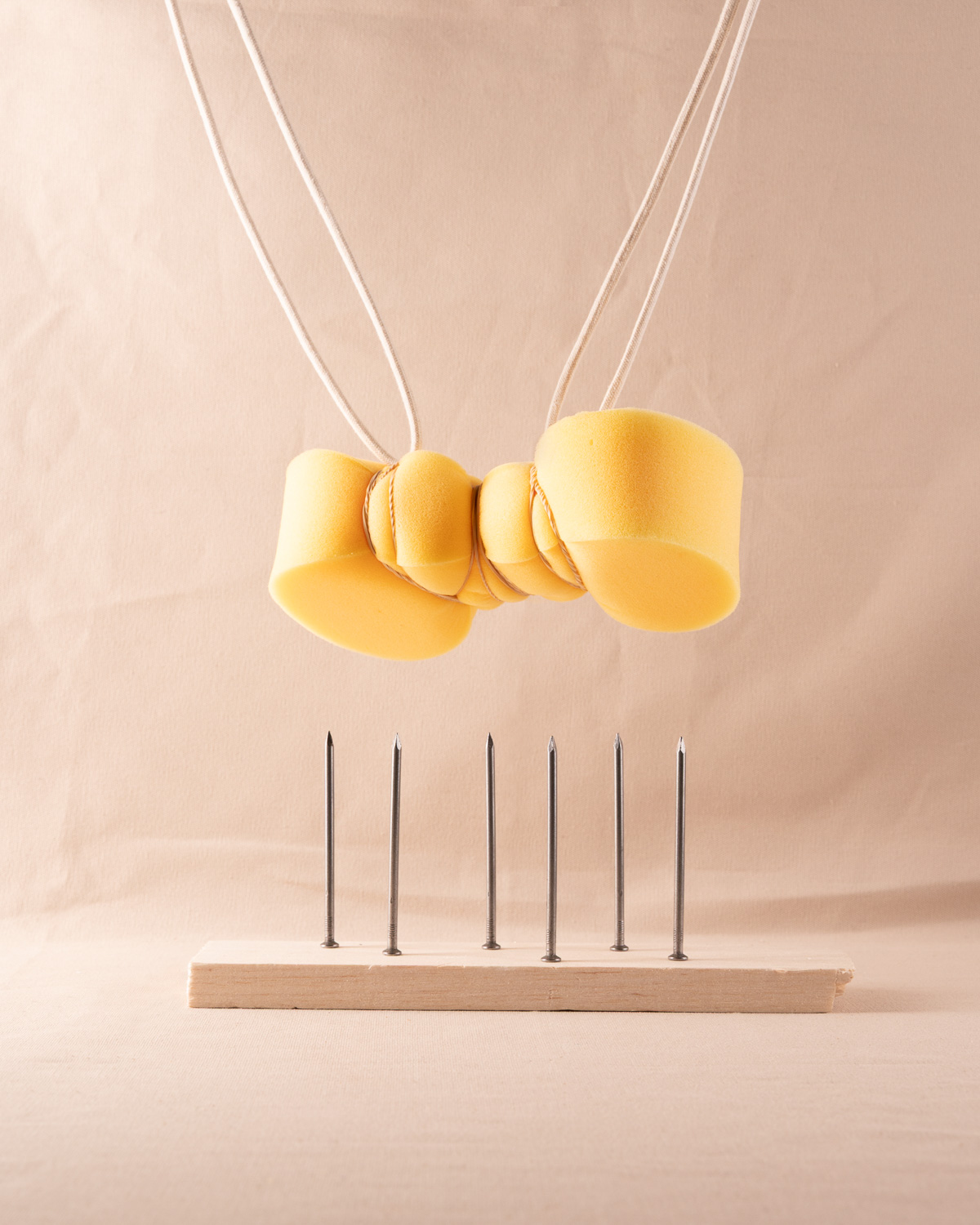
Walking the margins Talking about my feelings makes me uncomfortable, in fact it makes my skin crawl just thinking about it. With this project I allow myself to play like a kid with blocks in a therapist’s office. A quiet, deliberate process of acknowledging and expressing. An exercise in creating order in a chaotic life. I take the time to pull from my surroundings, finding meaning in the mundane. Using materiality, form and function to create a conversation with the objects, myself and the parts of me I am not ready to put words to. This is how I give shape to things I can’t say. To the things I can’t explain. To the symptoms I need to represent.
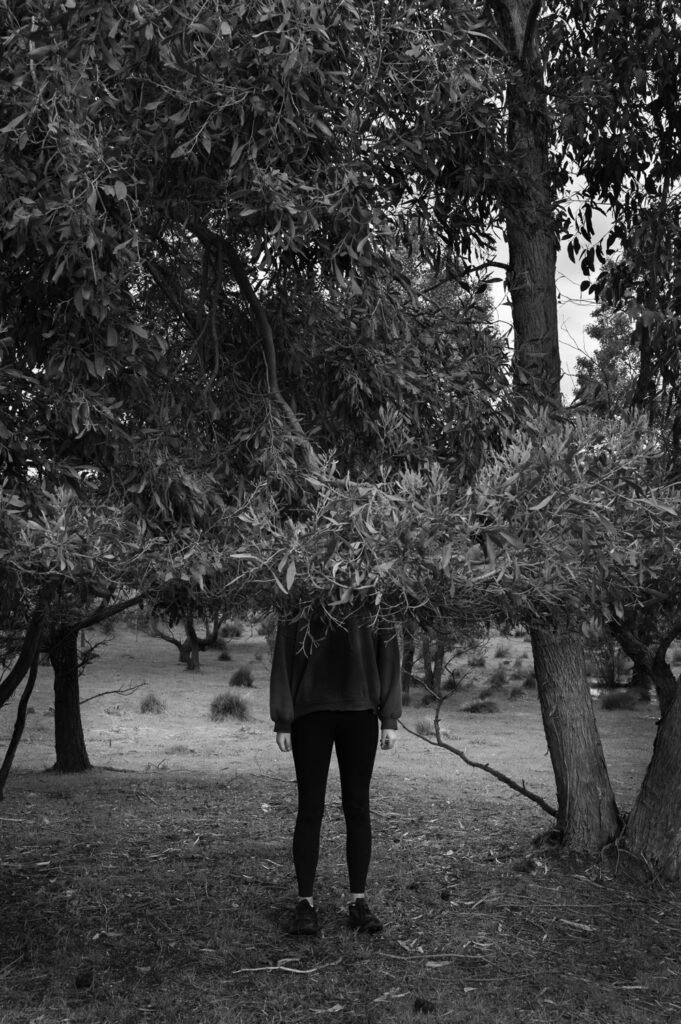
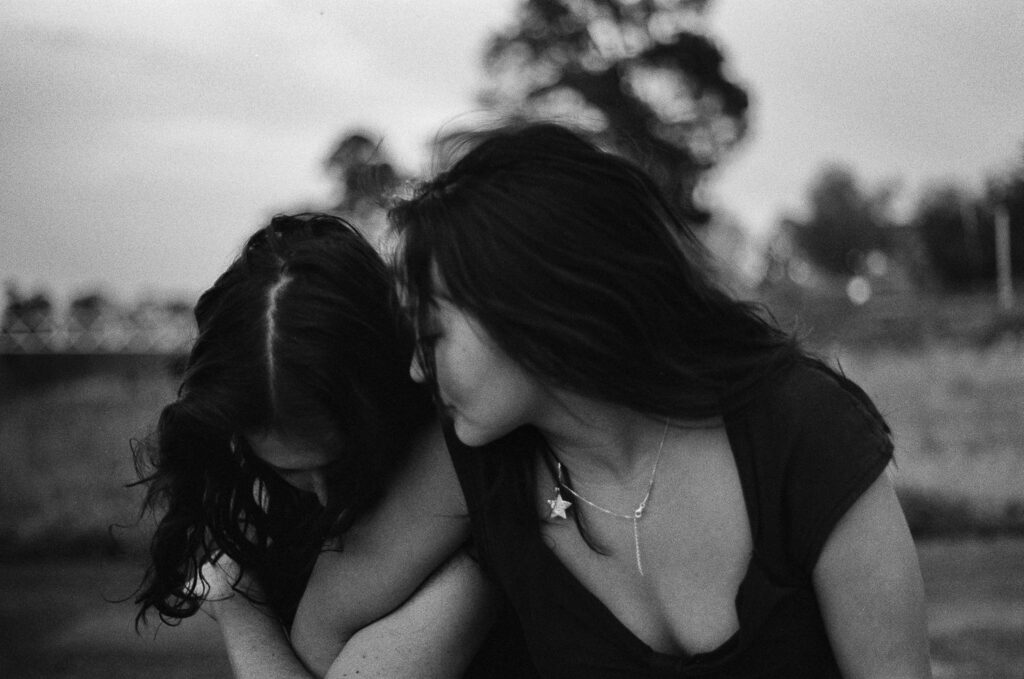
Leila Edelstein
Wings I return to the same sites and people compulsively. Over and over, driven by a curiosity with the mechanisms of memory, genetics and connection, I revisit and recall. This repetition is not an attempt to preserve, rather to agitate and reveal the ways memory slips, fractures, piles and re-forms. Personal, collective and inherited trauma settles in the body and the image. I recurringly photograph Mietta, here she is pictured with Prue. They are like sisters.
Margaret Alexander
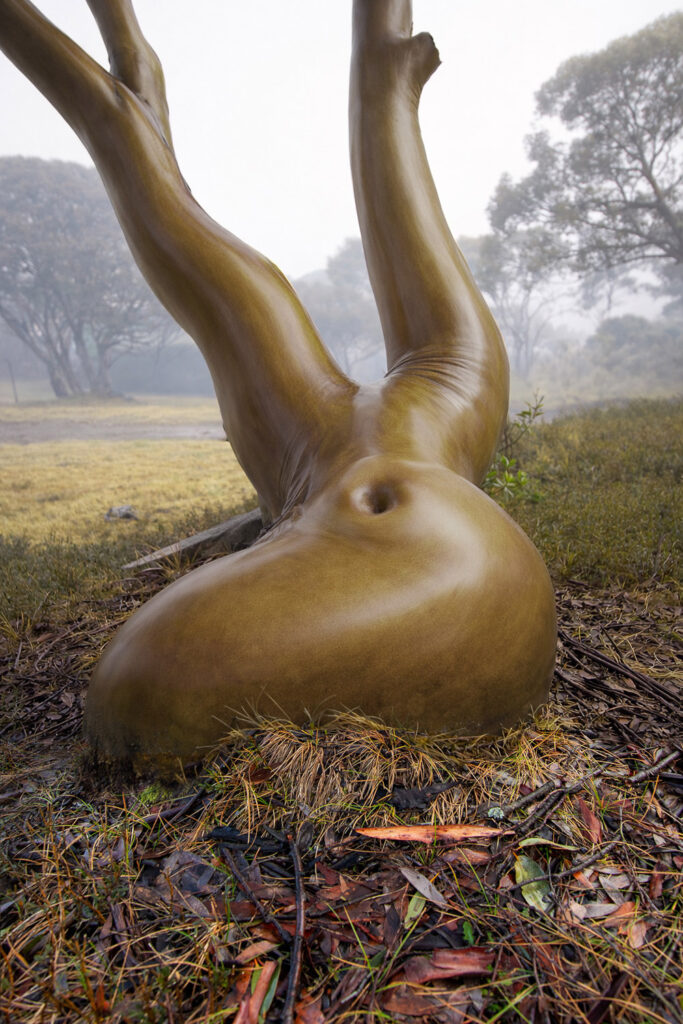
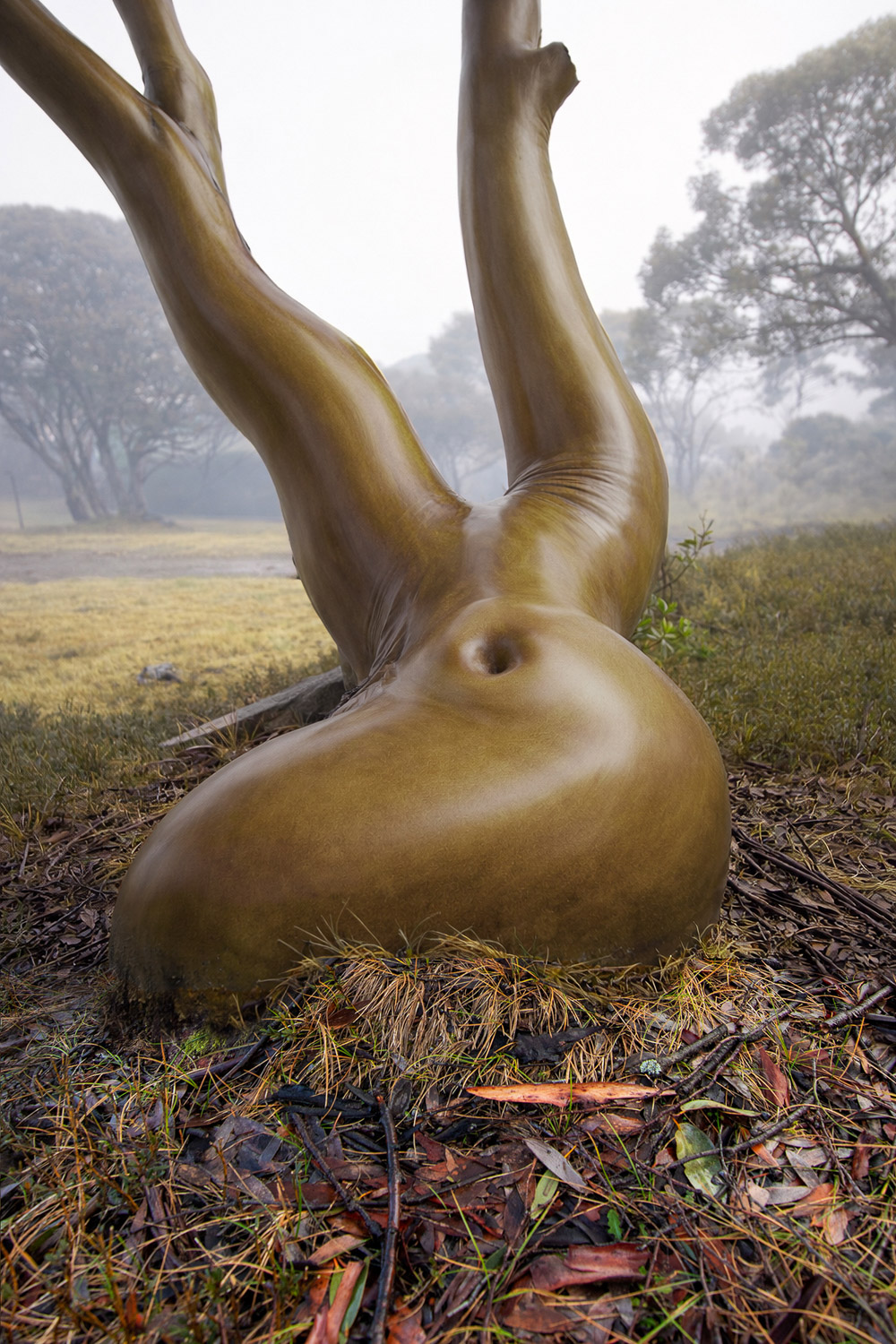
Mature Snow Gum Drawing on the visual language of commercial beauty imagery, this Snow Gum has been digitally altered to echo ideals of smoothness and refinement, while questioning why visible signs of ageing are celebrated in nature yet so often softened, corrected, or concealed in women.
Marylou Verberne
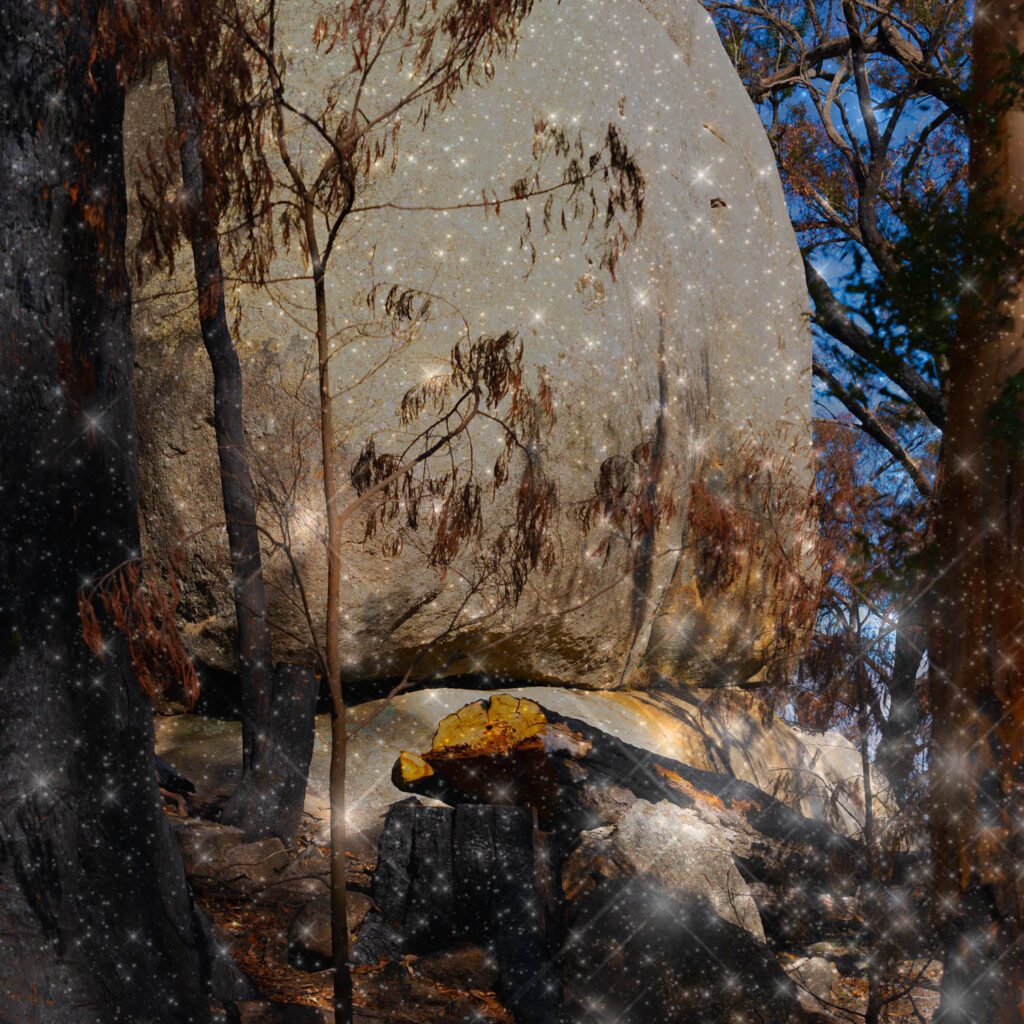
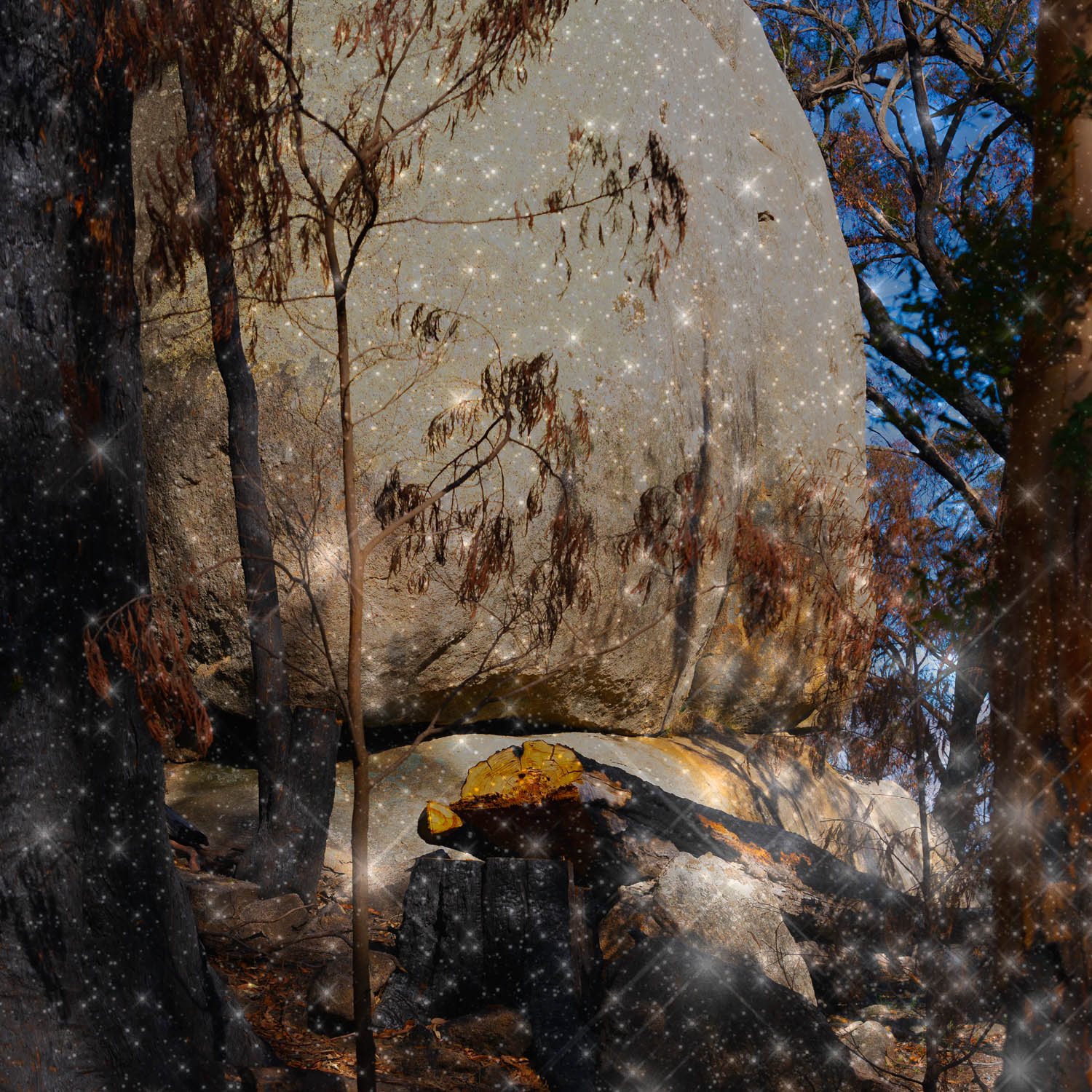
Remains to be Seen - Leanganook Created following the January 2026 bushfires at Leanganook (Mt Alexander) on Dja Dja Wurrung Country, this work brings together photographs made in the fire-affected landscape with imagery sourced from the Hubble Space Telescope. The connection is material: the carbon released through burning trees was forged in dying stars billions of years ago. Ancient granite, scorched vegetation and celestial matter are layered into a single image in which distinctions between ash and starlight, landscape and cosmos, become uncertain. By collapsing ecological, geological and cosmic timescales, the work considers landscape not as a passive backdrop to human experience, but as an active site of continual transformation and renewal.
Poppy Steer
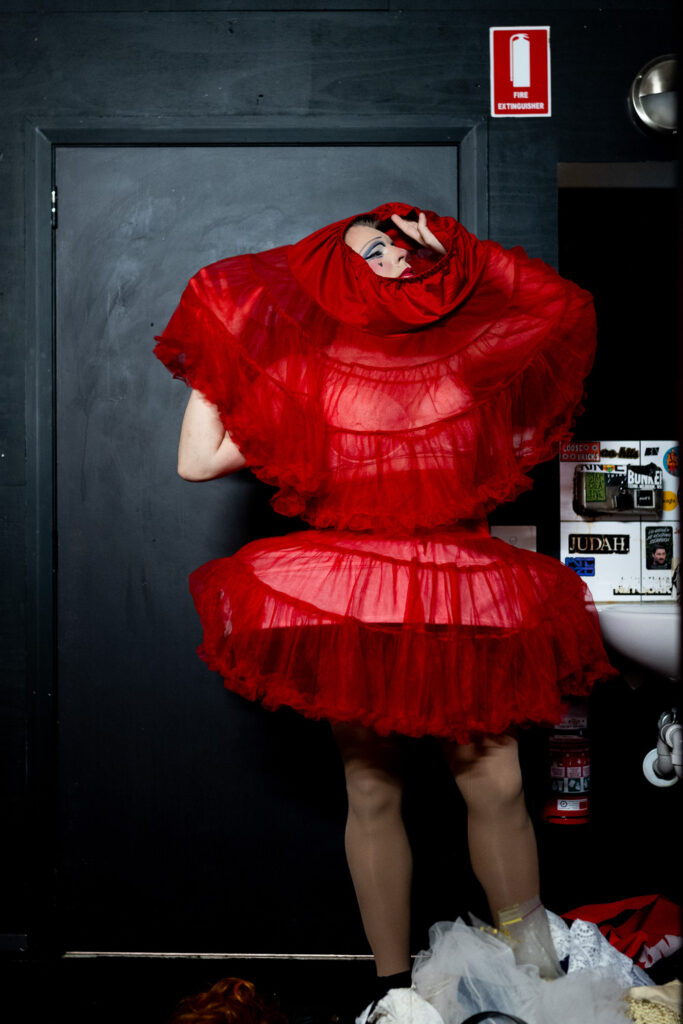
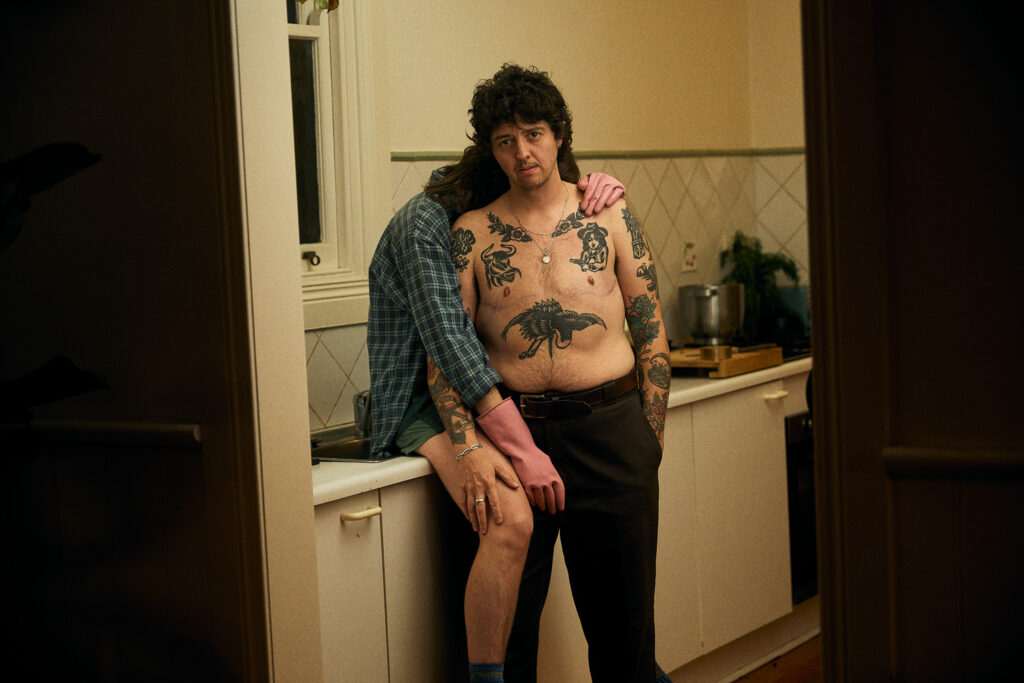
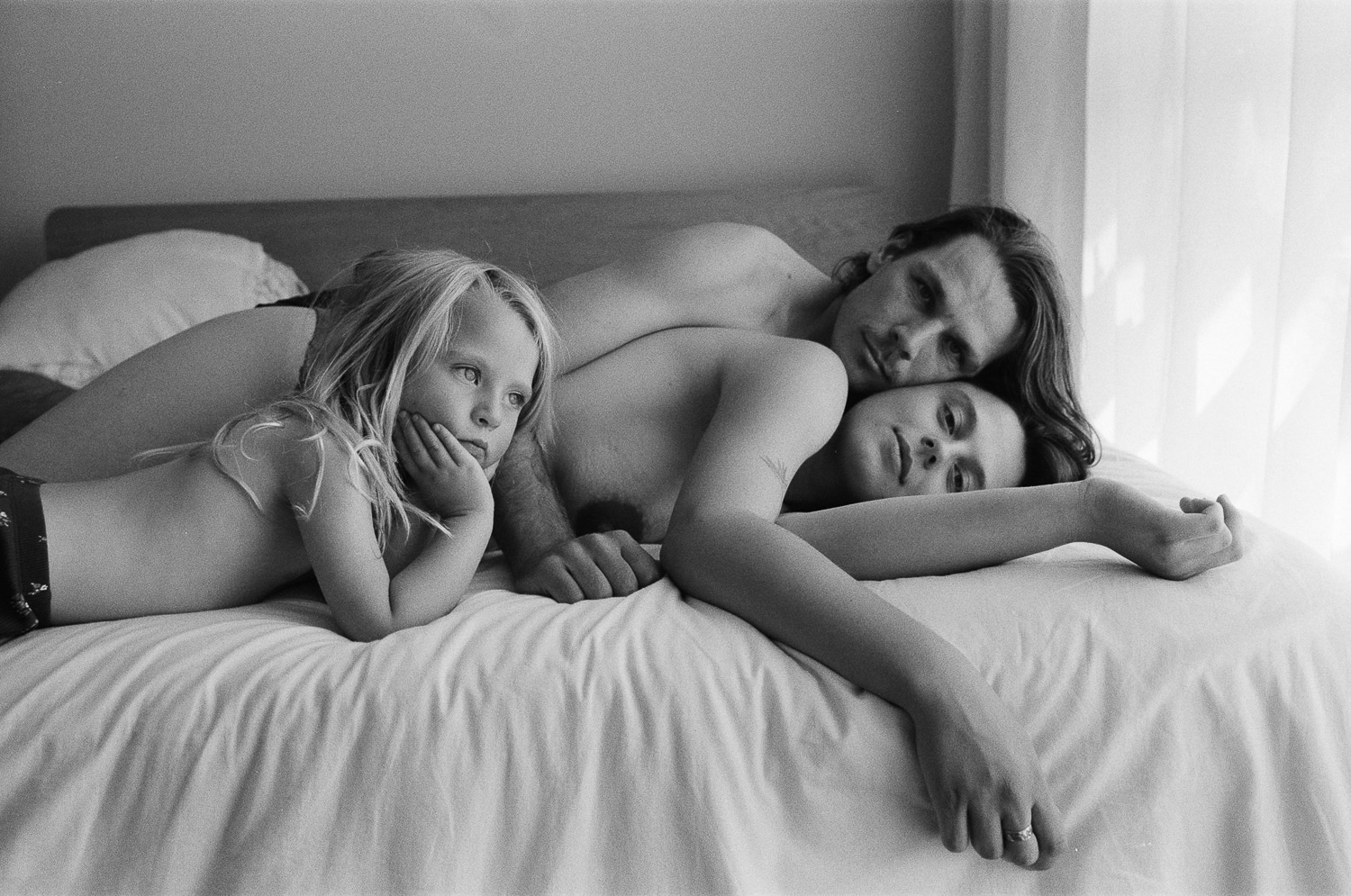
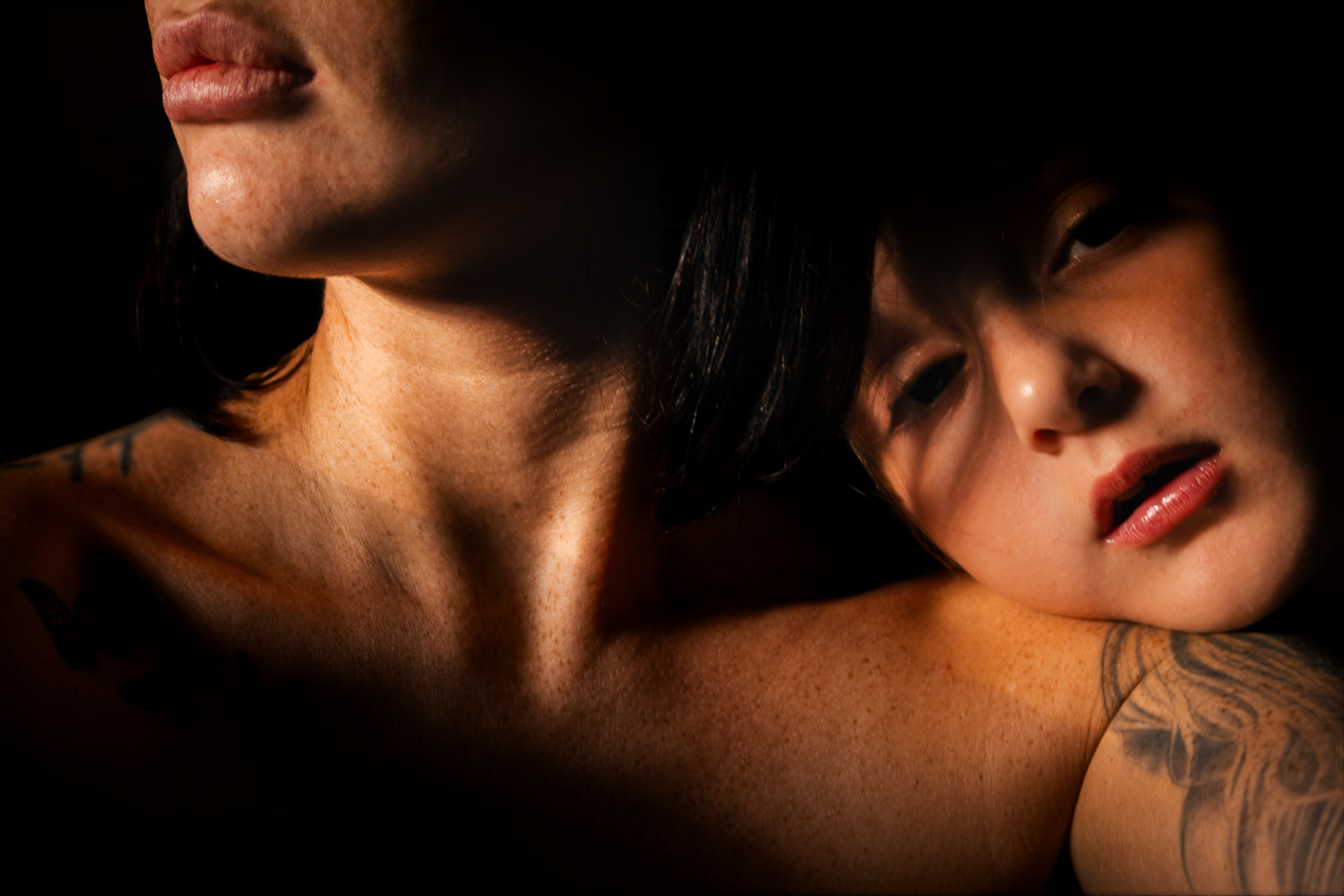
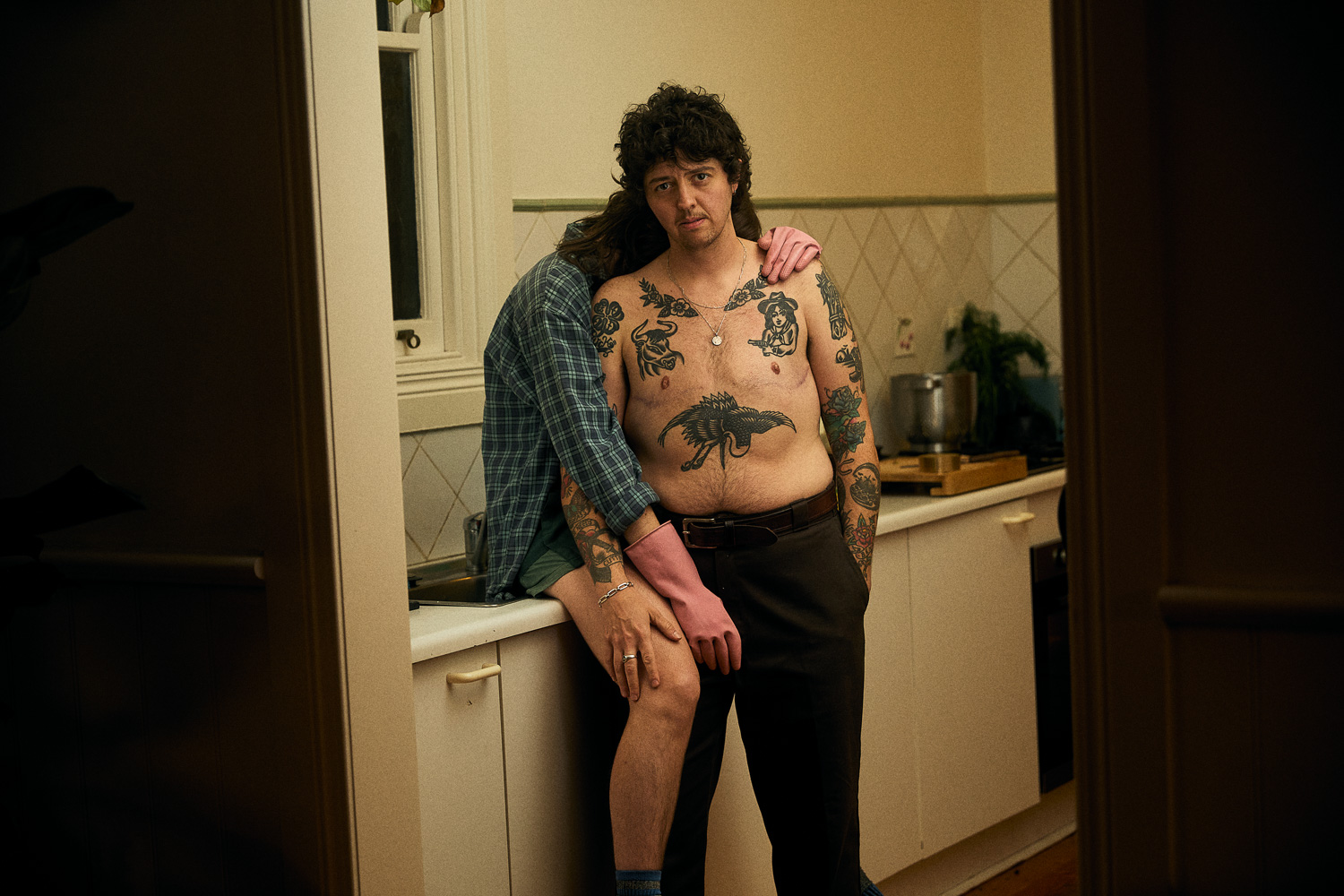
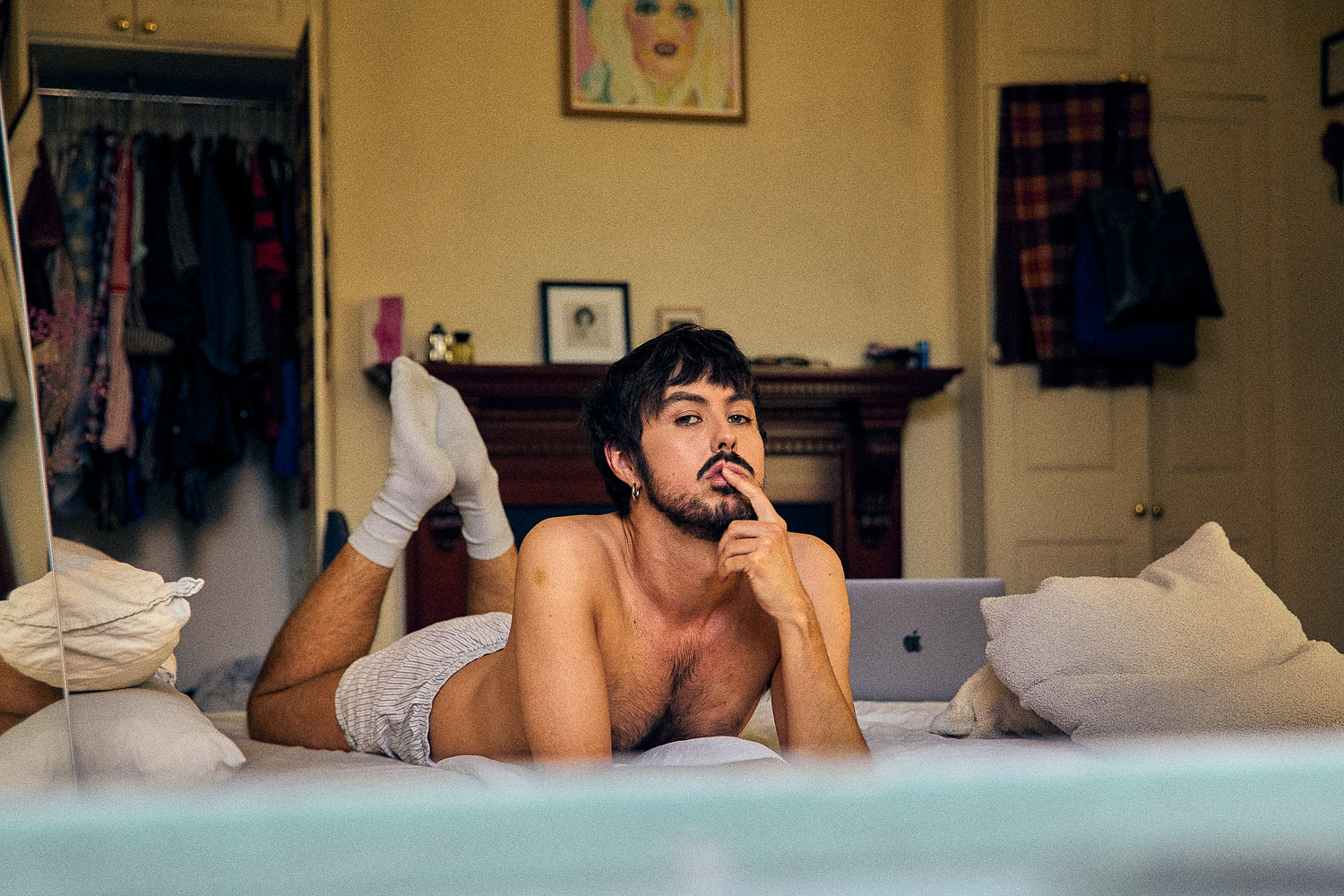
Homebody Homebody is an open door portrait series, documenting trans and queer people within the spaces where they are most themselves: home. As a trans person, I am interested in photographing my community beyond the stereotypes often attached to queer identity. Without spectacle, these images bring the audience into the inner sanctum of raw and real queer life. The home has always carried strong narratives of gender. Who cooks, who cleans, who holds power. Through these portraits, the subjects reimagine those expectations with their bodies. In a world where it is not always safe to exist authentically in public, the home has been our testing ground for identity and self expression. With queer people stereotypically being viewed through a sexual lens, often by others and rarely on our own terms. This series reclaims sexuality and shares a fuller honest picture of our intimate lives. These images are complete vulnerability. The gaze of each subject holds out a contract of trust, intimacy and shared humanity.
Poppy Steer
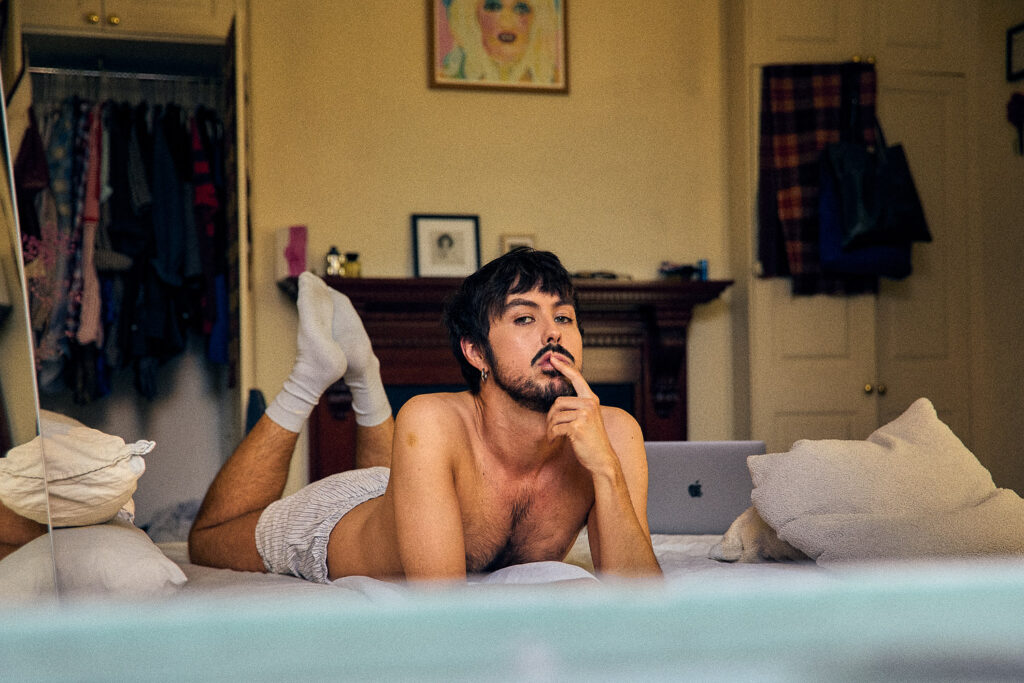
Homebody Homebody is an open door portrait series, documenting trans and queer people within the spaces where they are most themselves: home. As a trans person, I am interested in photographing my community beyond the stereotypes often attached to queer identity. Without spectacle, these images bring the audience into the inner sanctum of raw and real queer life. The home has always carried strong narratives of gender. Who cooks, who cleans, who holds power. Through these portraits, the subjects reimagine those expectations with their bodies. In a world where it is not always safe to exist authentically in public, the home has been our testing ground for identity and self expression. With queer people stereotypically being viewed through a sexual lens, often by others and rarely on our own terms. This series reclaims sexuality and shares a fuller honest picture of our intimate lives. These images are complete vulnerability. The gaze of each subject holds out a contract of trust, intimacy and shared humanity.
Rebecca Polonski-2
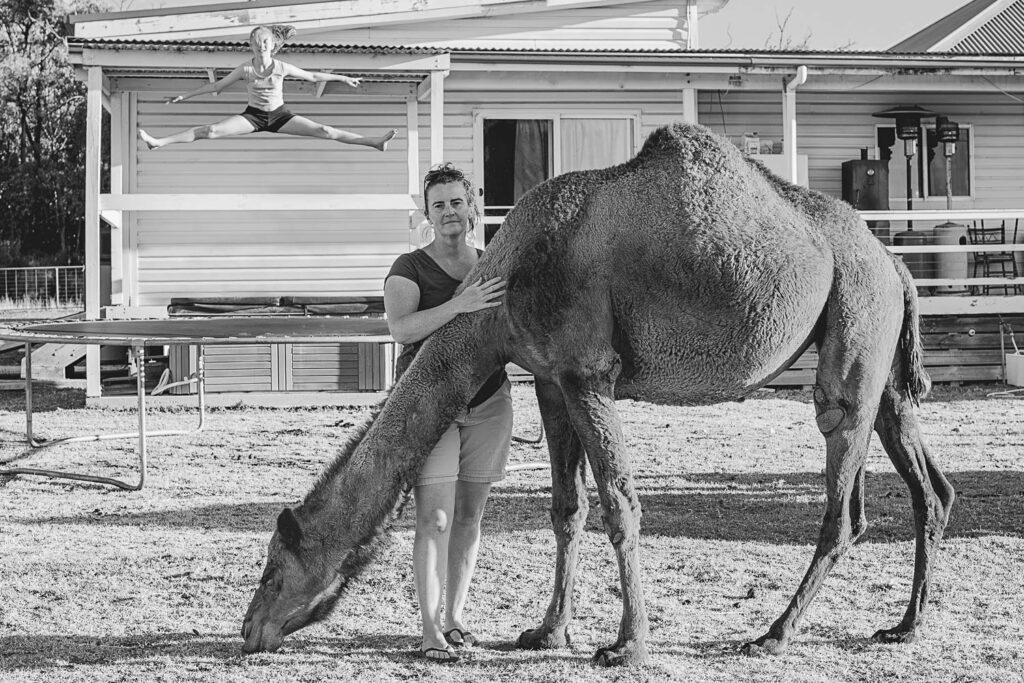
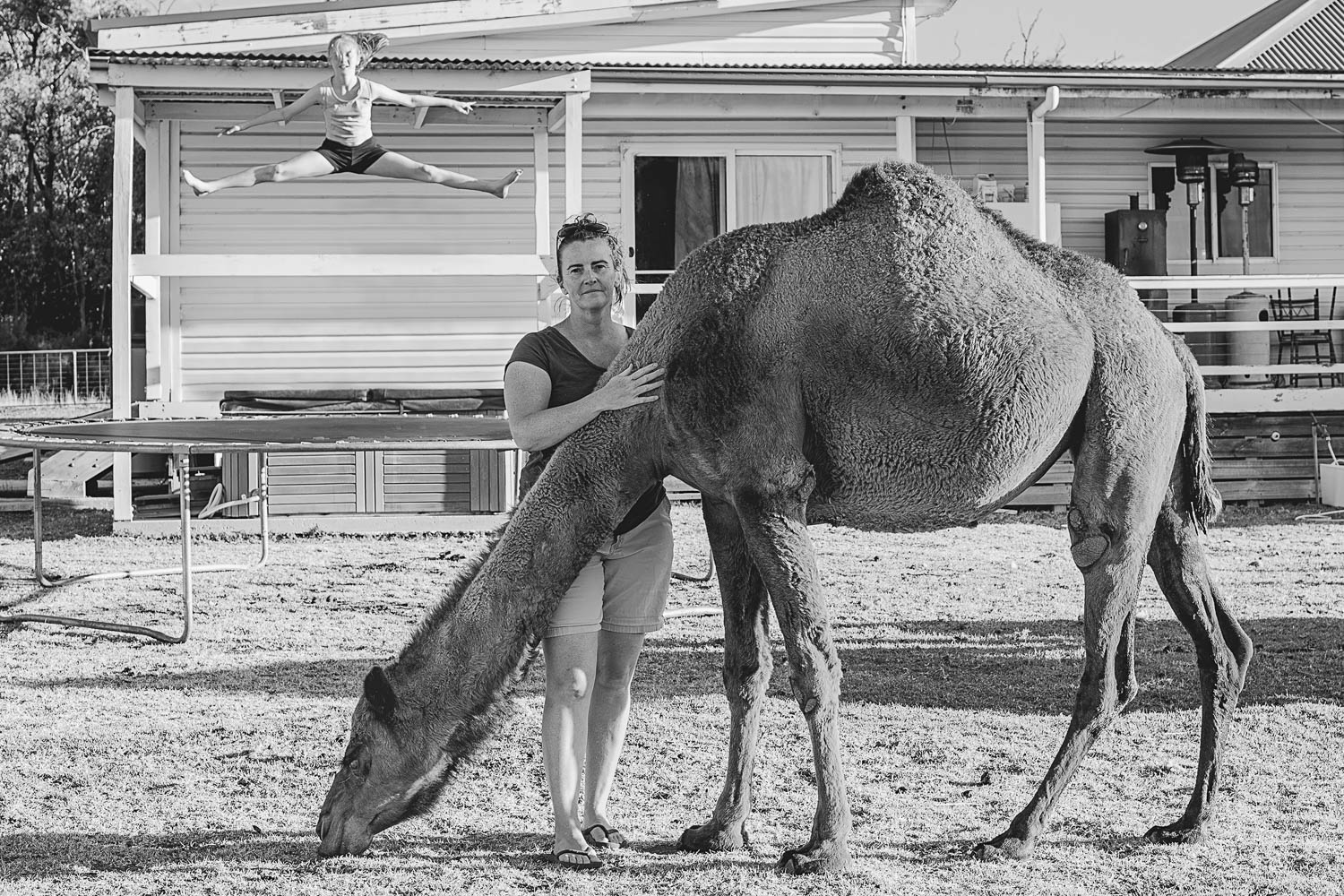
Megan's Place Megan is my friend and neighbour. Her life blends the ordinary with the extraordinary. Against the backdrop of her traditional Australian weatherboard house, Megan stoically stands with one of her rescue camels while her daughter energetically bounces on the trampoline. I wanted to capture this moment and preserve the elements of both domesticity and adventure which encapsulate her life.
Rosemary Scott
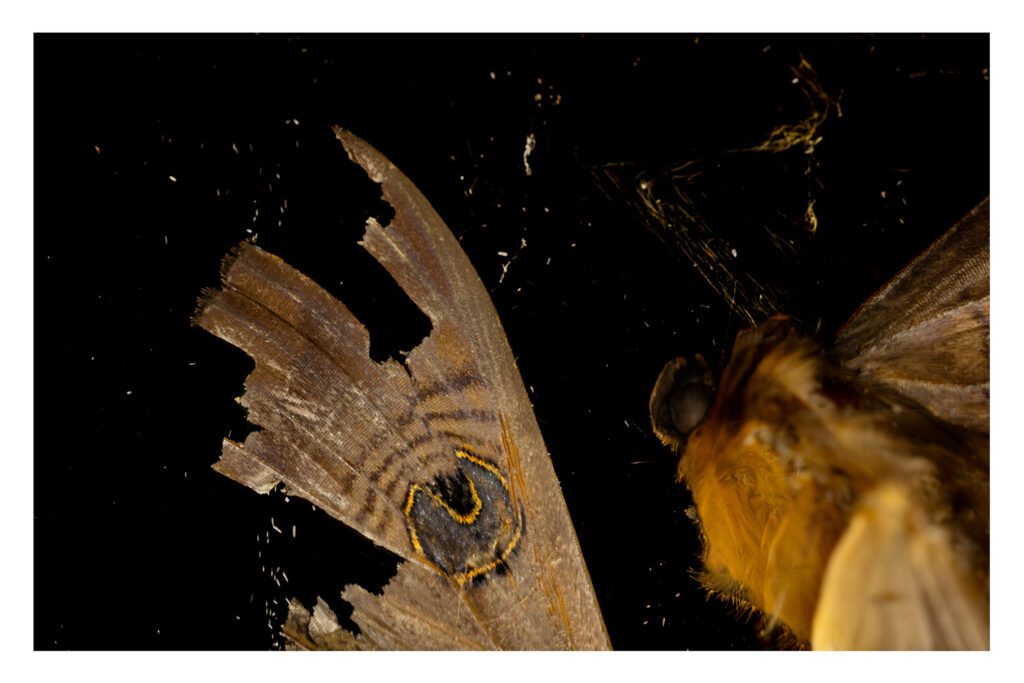
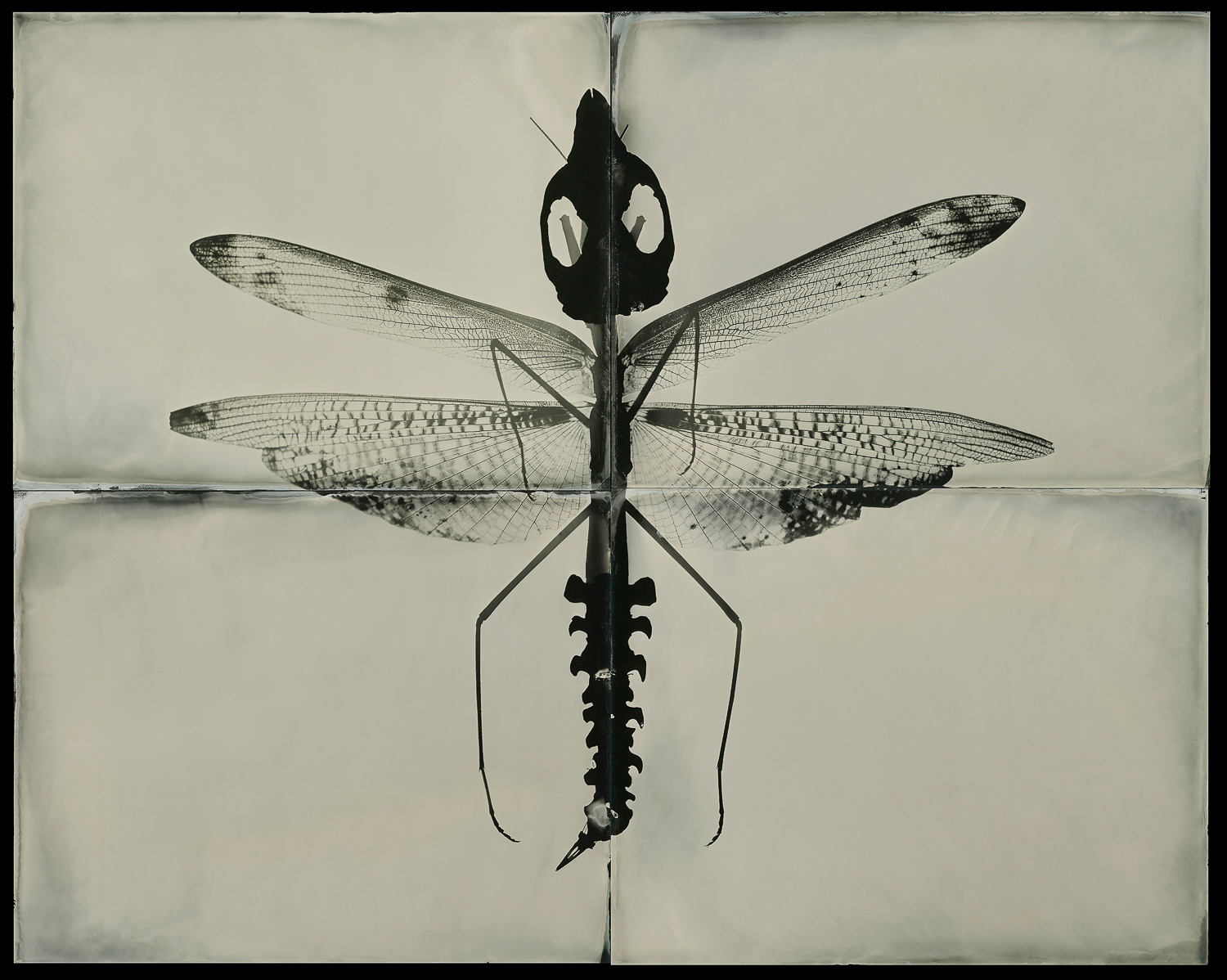
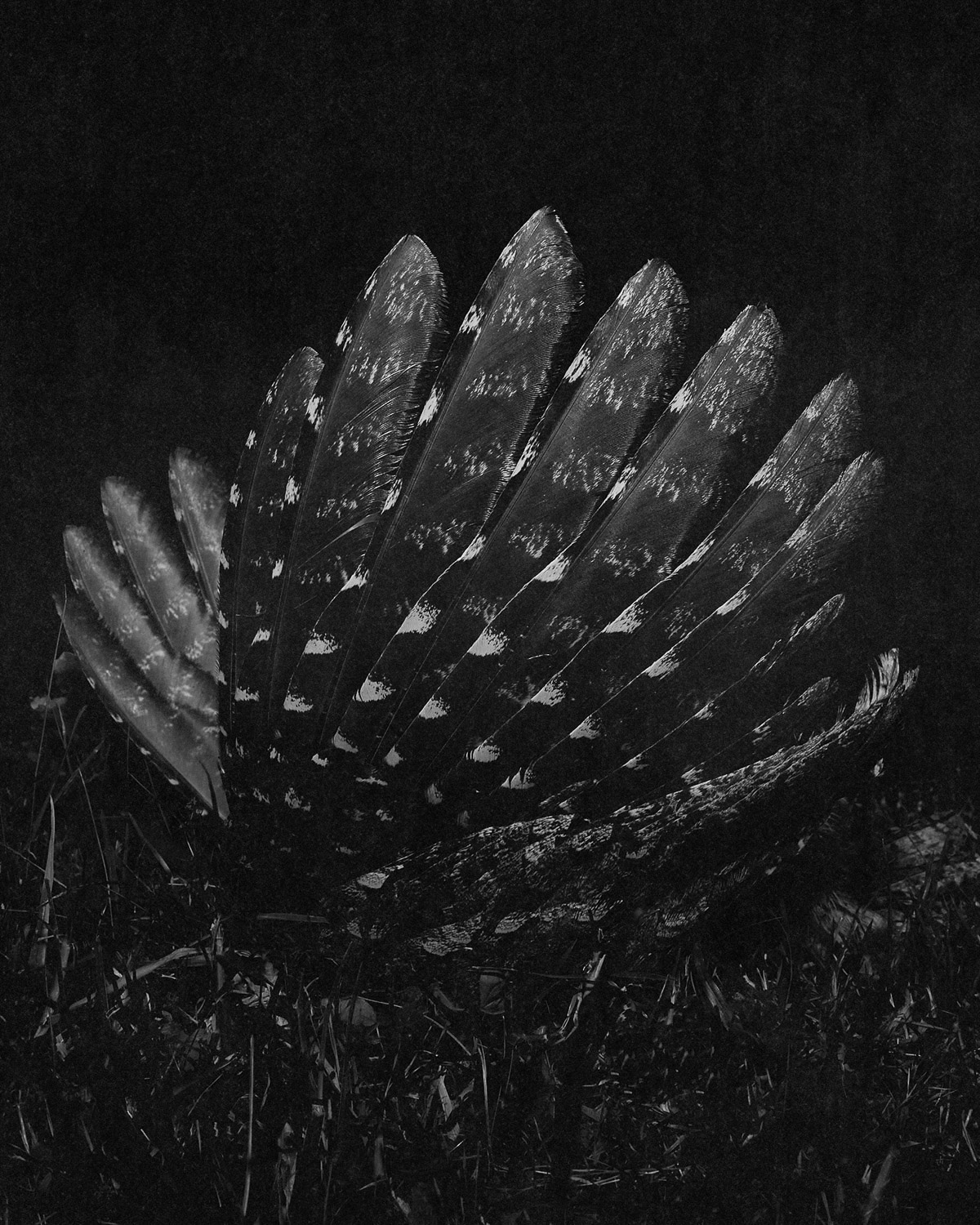
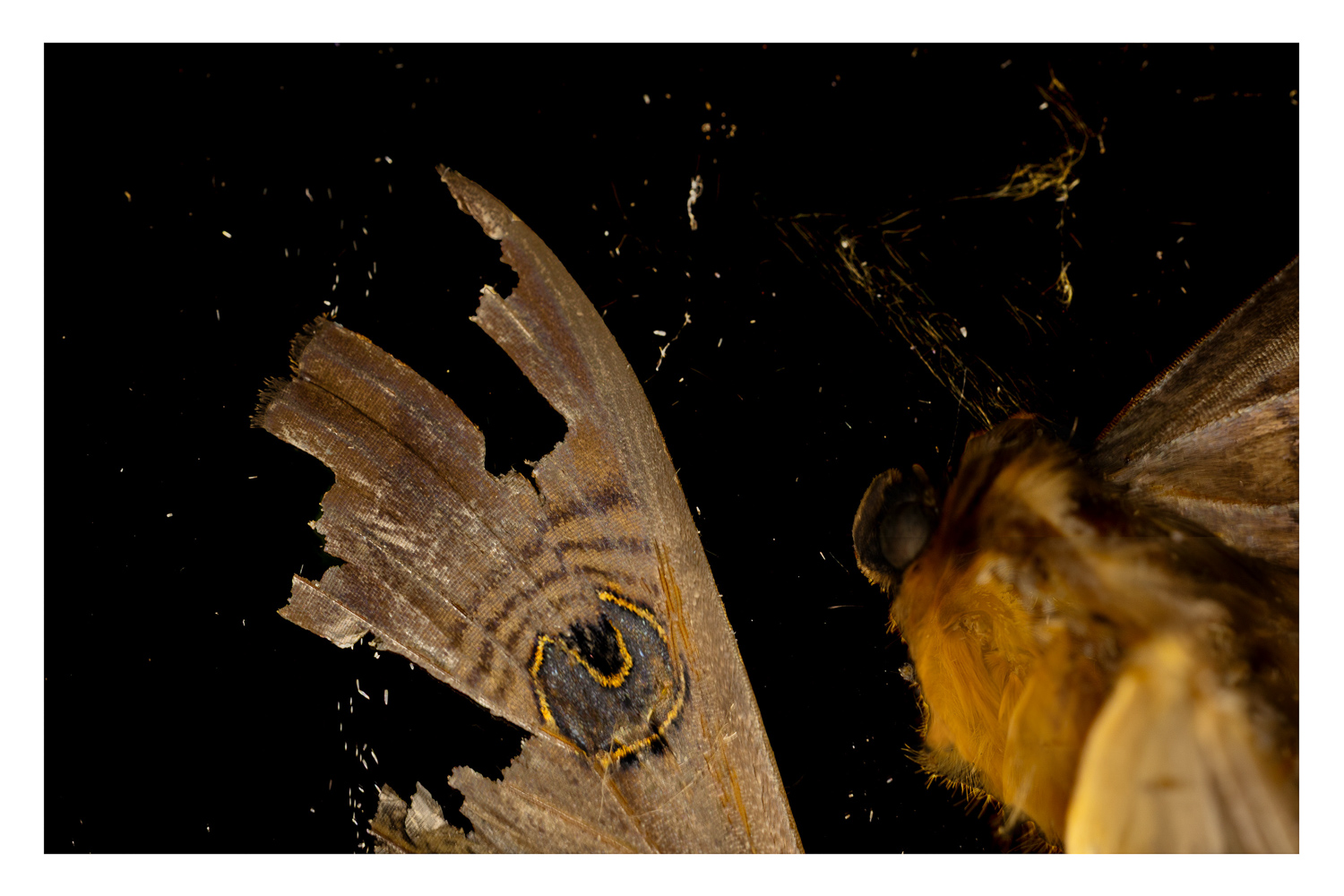
moth(er) moth(er) was the last photograph taken in un(becoming), a series reclaiming stories of Feminine Archetypes whose beauty and power have been subverted over time by a Patriarchal narrative of fear. Commonly known as Old Lady Moth, her body and wings were reclaimed from the remnants of an owl’s meal and pieced together for the image, a focus stack of eight. moth(er) reflects the pull of the Divine Feminine, guided by the Goddess Hecate, who offers safe passage through the crossroads of our darkest thoughts and wildest dreams, unlocking a powerful metamorphosis. In balancing light and dark and reclaiming long-lost parts of our inner self, the mystery guide emerges, flying free in the sky and having the time of her life.
Rosemary Scott
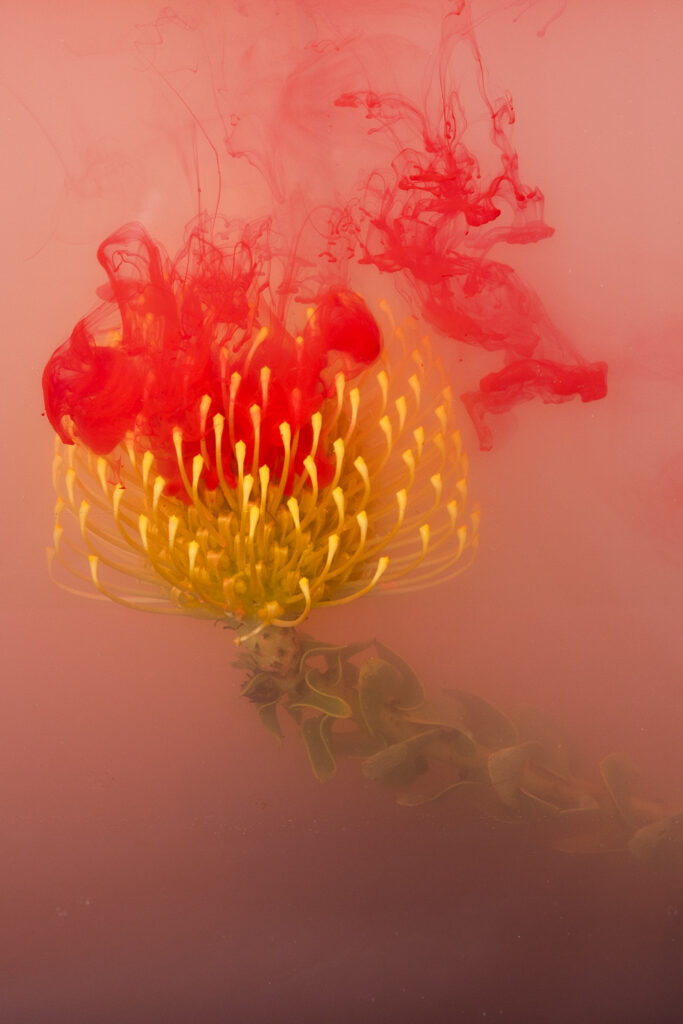
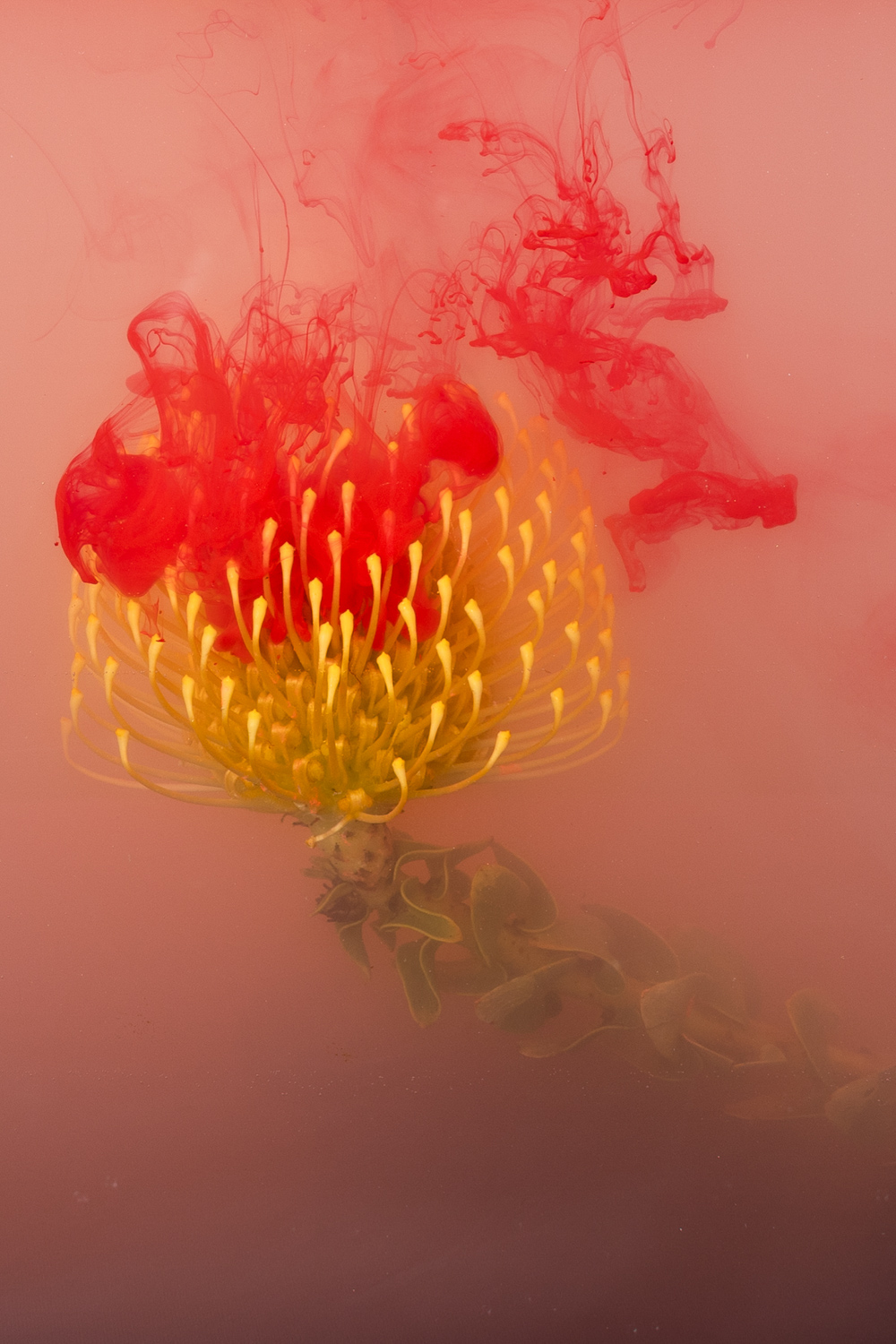
Cupid's Bow Cupid’s Bow is part of the Submerged series, in which Pincushion flowers (Leucospermum) are suspended in water infused with shifting colour. Across the series, forms emerge, dissolve and reappear as the pigment moves through the water, creating abstract worlds that exist momentarily. Layers of colour obscure and reveal, echoing the history of women whose lives and contributions to art and science have been overlooked, forgotten or lost to time. A dancing figure emerges briefly from the flower’s edge before it fades back to the shifting water world around it. The image speaks to lives and contributions that have drifted from view, just like the women whose creative ambitions have been erased from history and whose stories are only now beginning to resurface.
Tristan Lyth
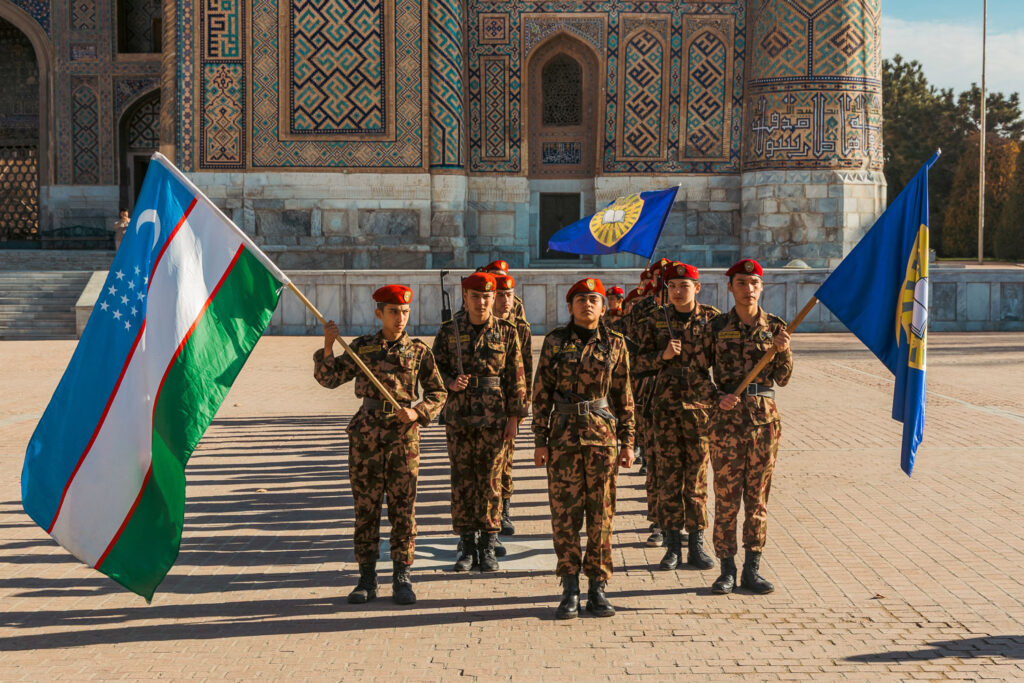
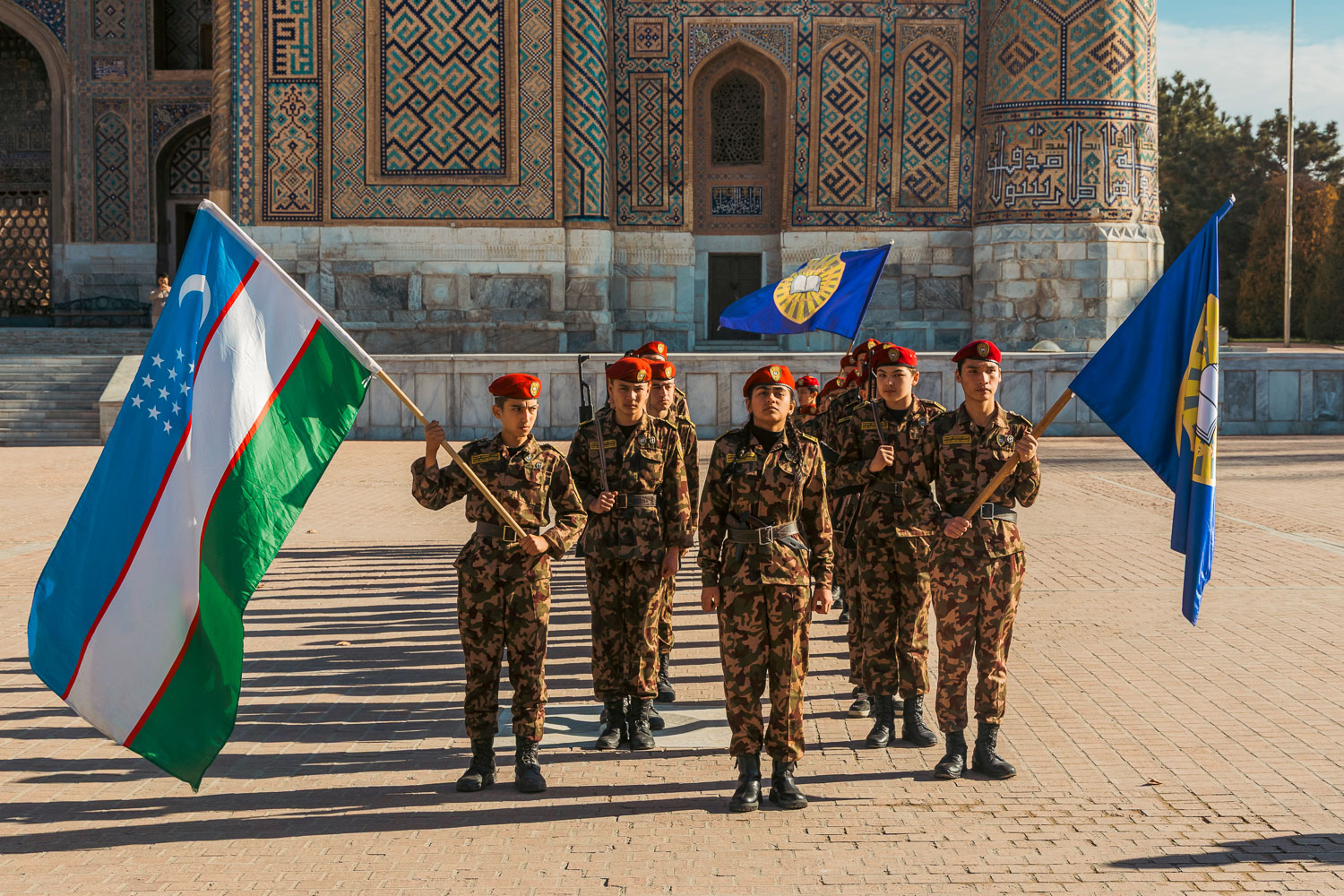
Day of Defenders of the Motherland Photographed in Samarkand’s Registan Square during the Day of Defenders of the Motherland, this image juxtaposes the ambitions of a young nation against one of Central Asia’s most enduring symbols of history. The inclusion of both young men and women in the formation speaks to a generation helping shape Uzbekistan’s future while standing in the shadow of its past.
Tristan Lyth
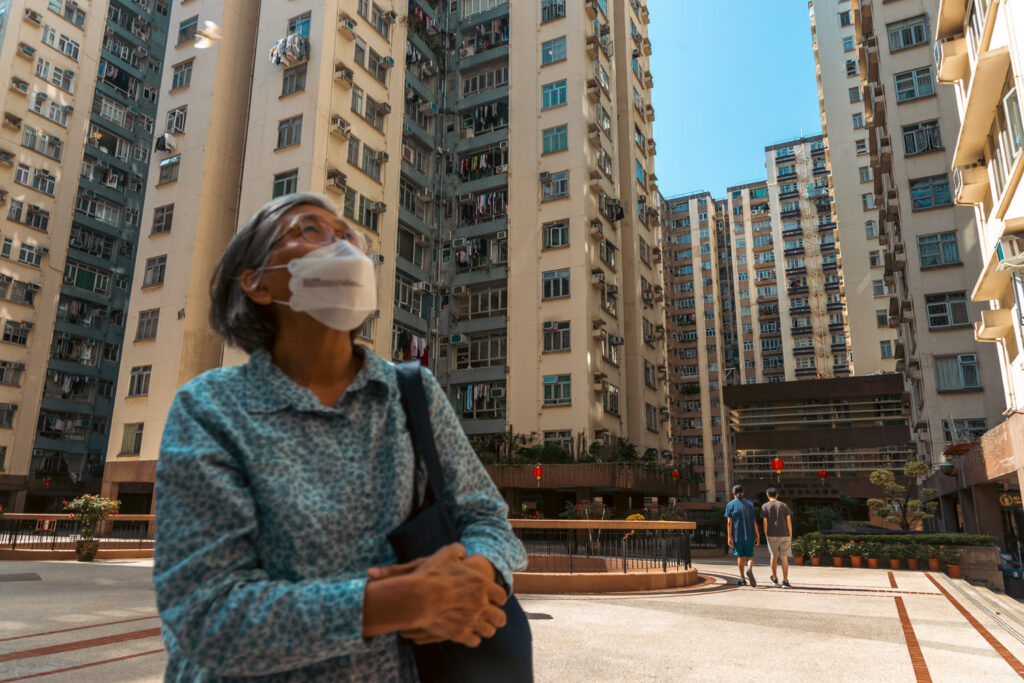
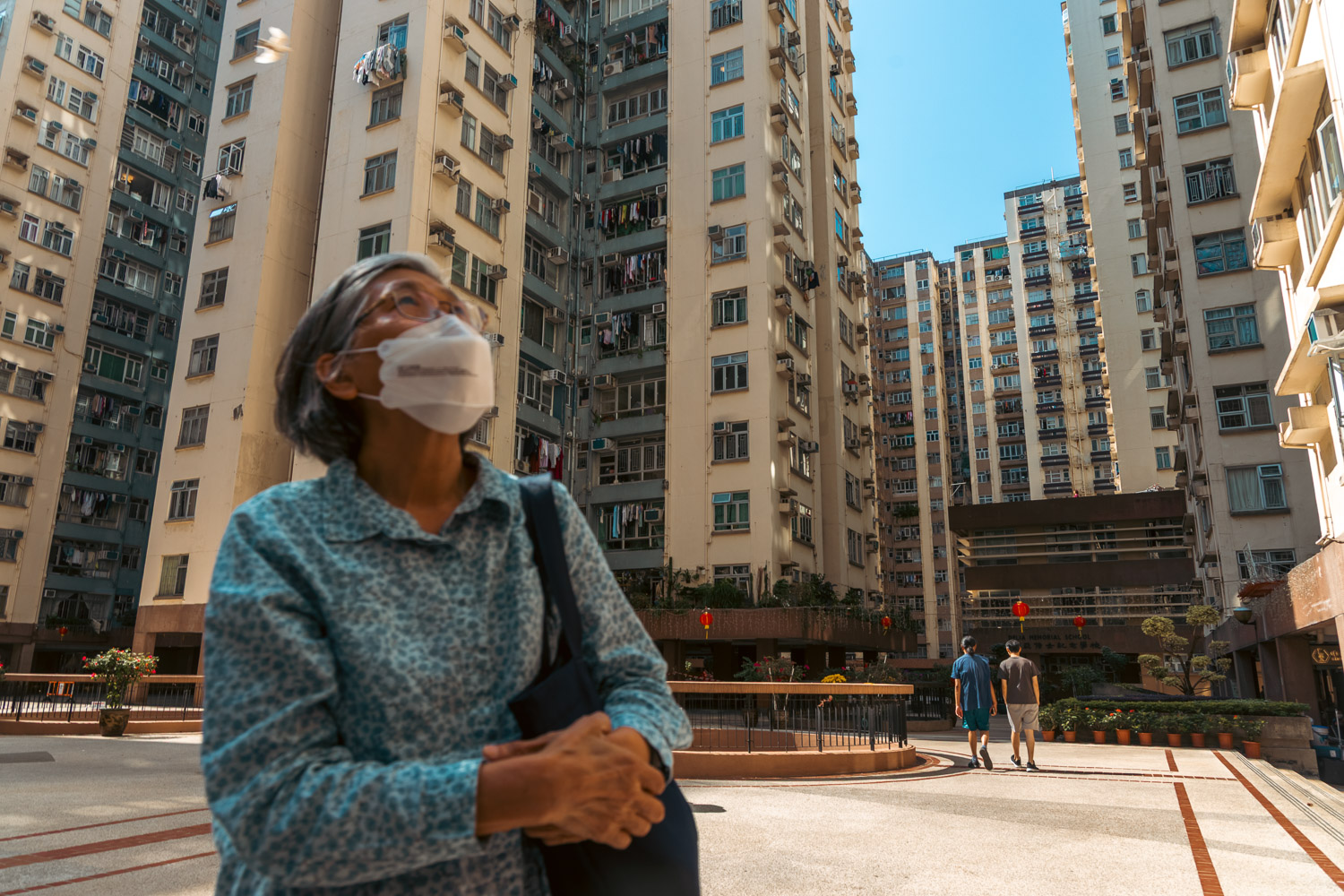
Mei Foo After I finished year 12 in 2024, my Popo (grandmother) asked what present i'd like. At first I had no idea what i'd choose - I didn't want anything from her. That summer, I worked hard saving up money before my first ever semester at uni began. Then the idea clicked. I asked Popo to take me to Hong Kong so I could learn about the origins of my mother's side of the family. I even paid for most of the trip. This photo captures the moment my Popo found her old apartment building where she and my grandfather raised my Mum and Aunt whilst working as a nurse. She has not seen this place since they moved to Sydney 30+ years ago. What was meant to be a graduation gift of historical knowledge to myself, ended up being a gift back to my Popo. This photograph captures the moment she rediscovered the apartment building where she raised my mother and aunt more than 40 years ago. Standing in the courtyard of a city transformed by time, she looked up at a place filled with memories that had remained untouched in her mind. For me, the trip became more than a journey into my family's history. It became a rare opportunity to witness my grandmother reconnect with her own.
Tristan Lyth
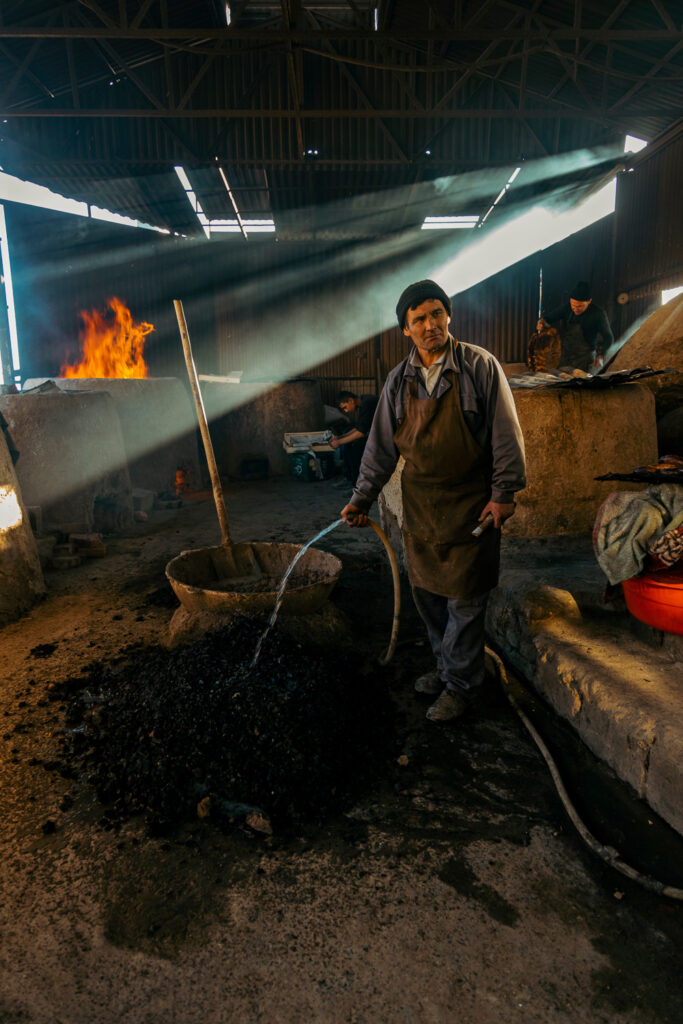
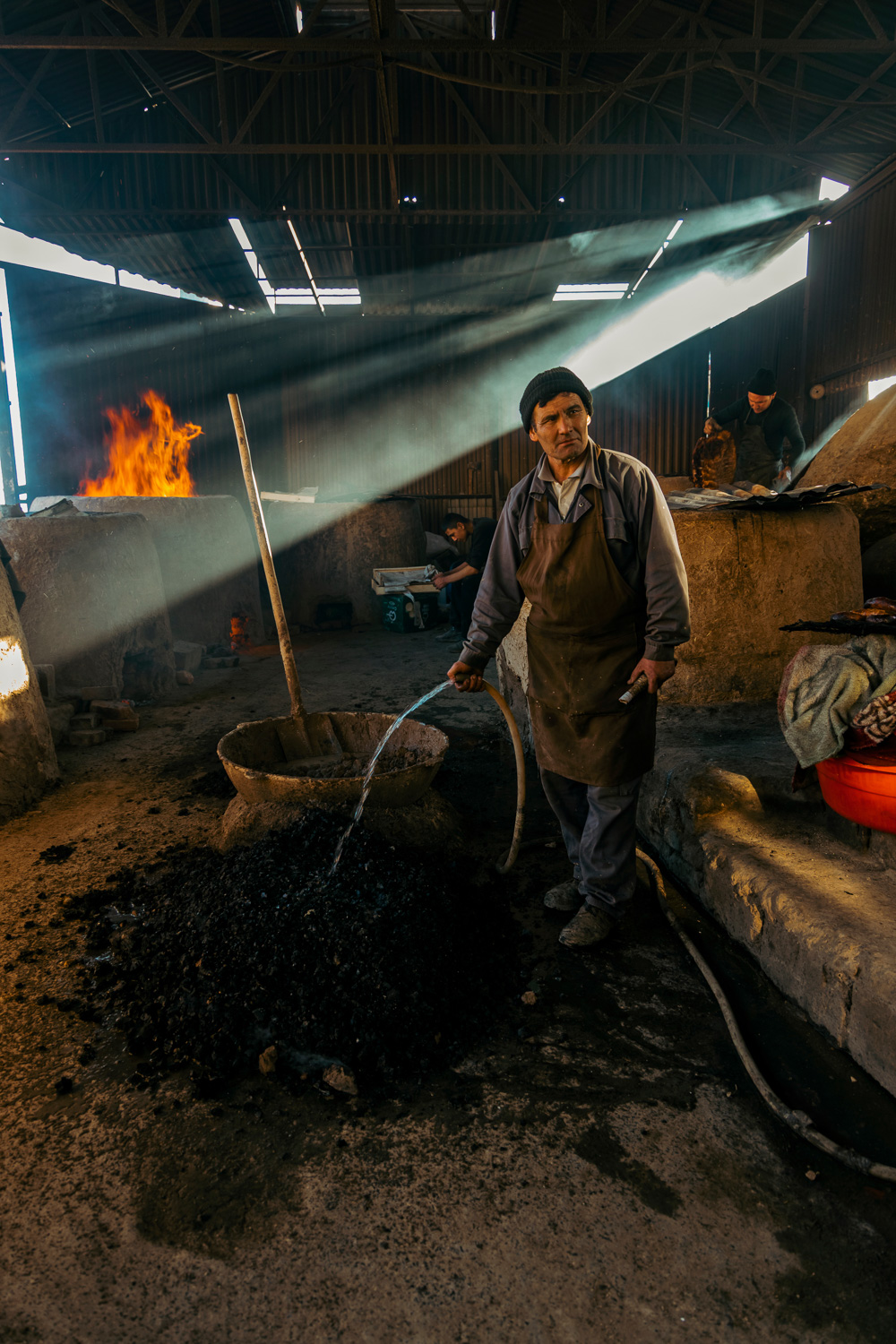
Katta Tosh Tandir High in the Qashqadaryo Mountains, south of Samarkand, cooler air and sweeping views offered a welcome contrast to the great Silk Road cities below. We travelled here for the Katta Tosh, tandir gosht, a dish deeply connected to the land and its people. Lamb is slow-cooked for hours in a traditional clay oven, transforming simple ingredients into something rich, smoky, and unforgettable. The process reflects a philosophy of respect: using the animal fully, wasting little, and allowing time, skill, and patience to do the work. This photograph captures a moment in that tradition. Beyond the meal itself, it tells a story of craftsmanship, heritage, and the enduring relationship between people, food, and place.ndir ovens are fired using charcoal prepared on site using traditional methods passed through the generations.
APA 2026 Major Partners


APA 2026 Exhibition Partners



APA 2026 Sponsors